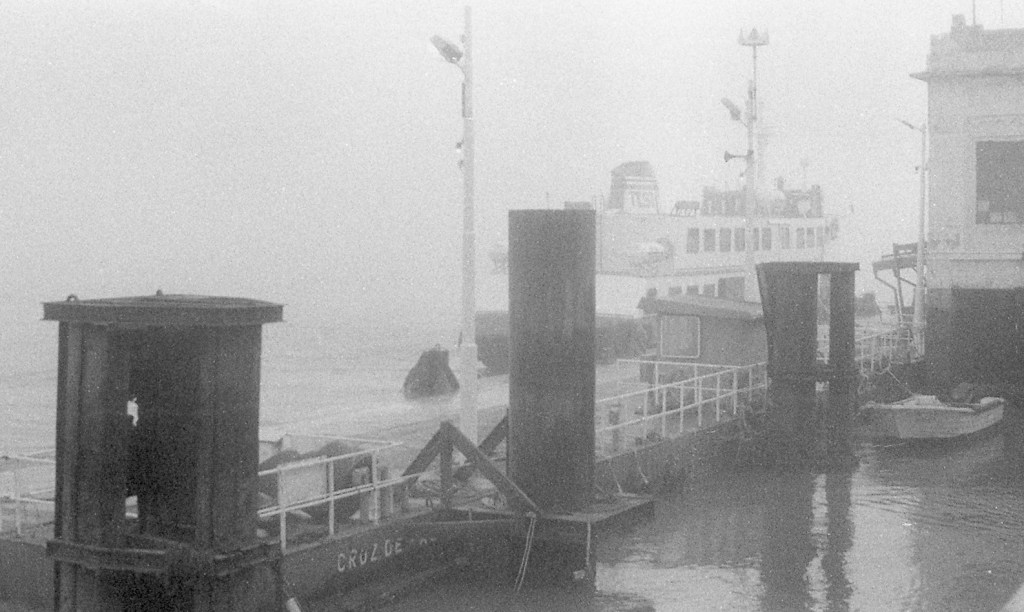
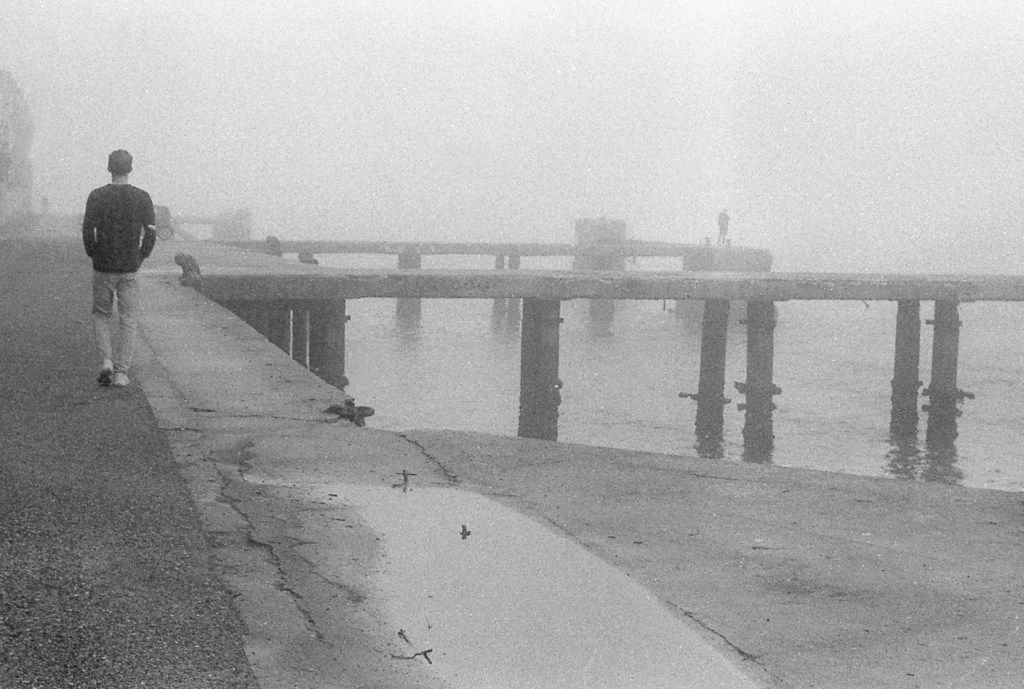
Early morning fog at the Tagus South bank. Grey light, a sense of unknown space, vague unmeasurable distances , cold. And silence.

Eyes that seek the Unseen
Early morning fog at the Tagus South bank. Grey light, a sense of unknown space, vague unmeasurable distances , cold. And silence.

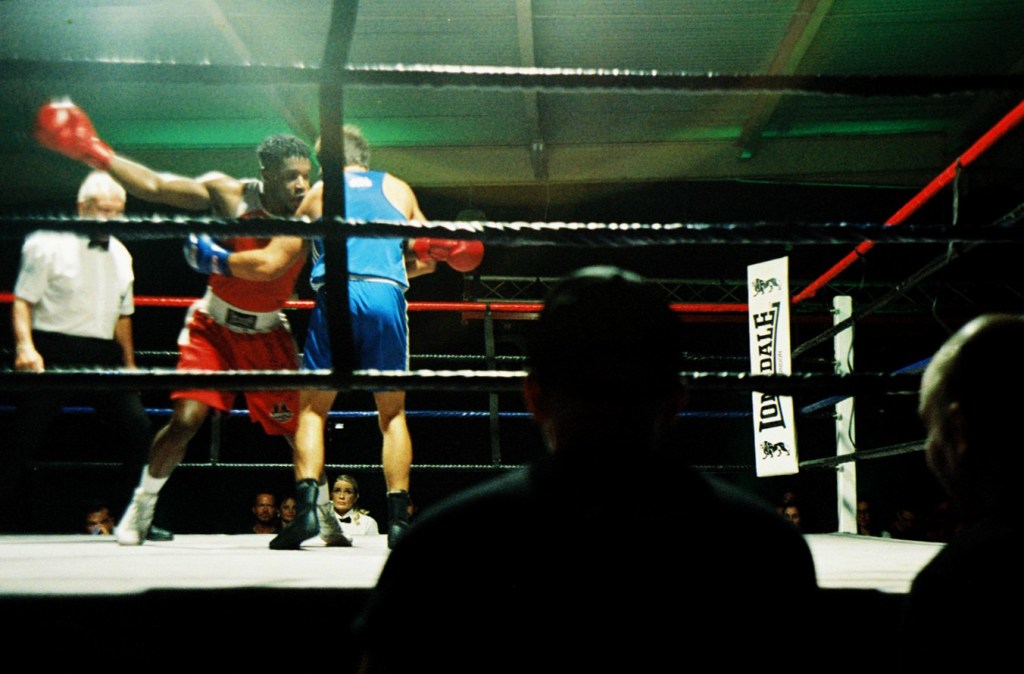
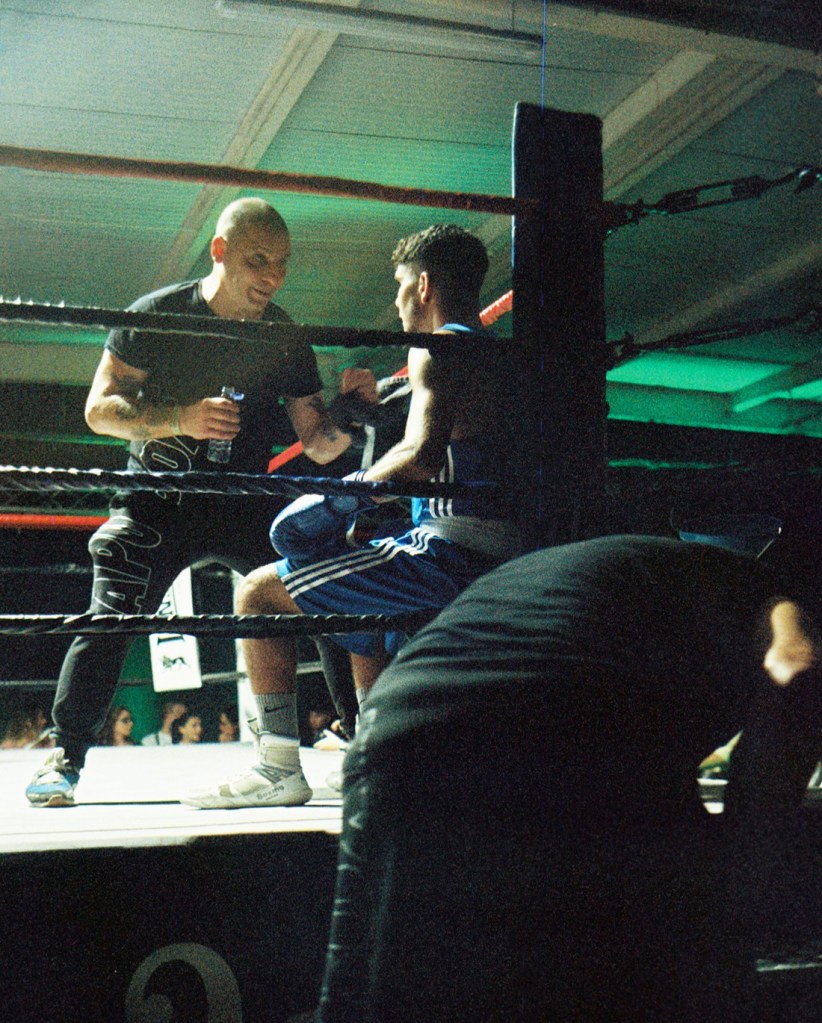
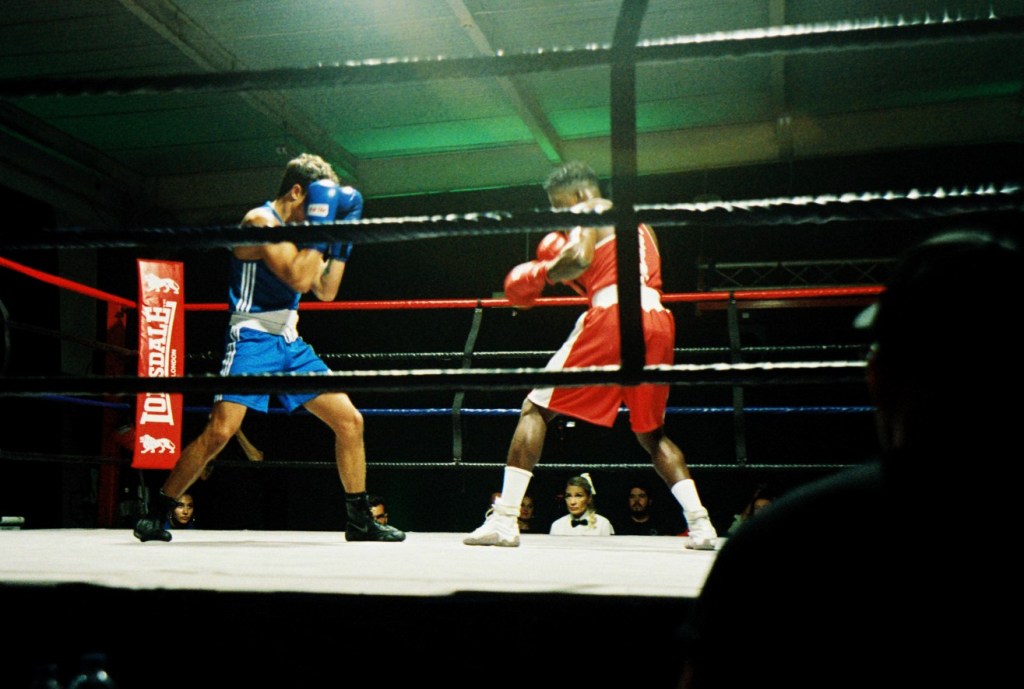
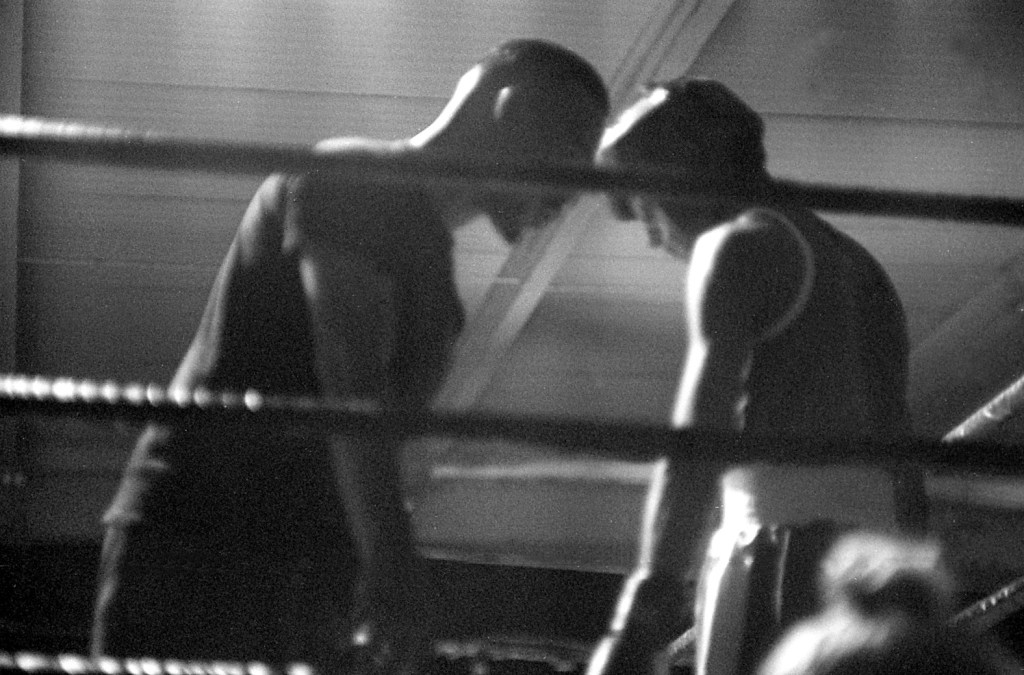
“Boxing Clash #2”, an amateur boxing match between Portuguese and Italian teams in a Gym near Lisbon, Lots of enthusiasm, some agressivity and violence to an acceptable level (no serious injuries, no bleedings). Not being a fan or an expert, it was an interesting experience to me. I was surprised by the high number of women watching the match – and by their vocal incentives to the fighters.


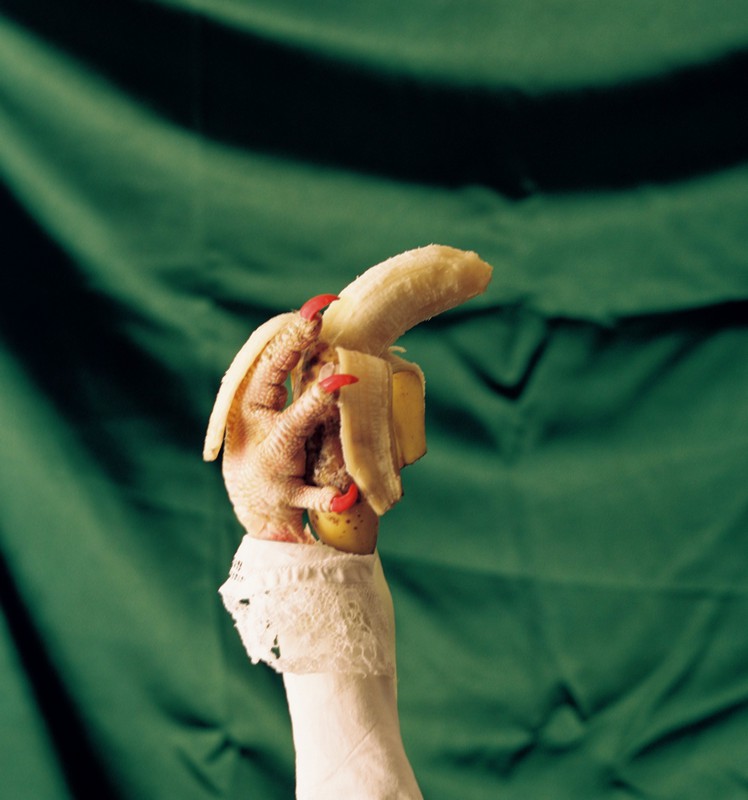
Today, September 4th, the centenary of Surrealism is celebrated.
To celebrate the date, two photos from the “Red Nails” series.
Red Nails and Banana
Flowers, new and old

Happy celebration !!!
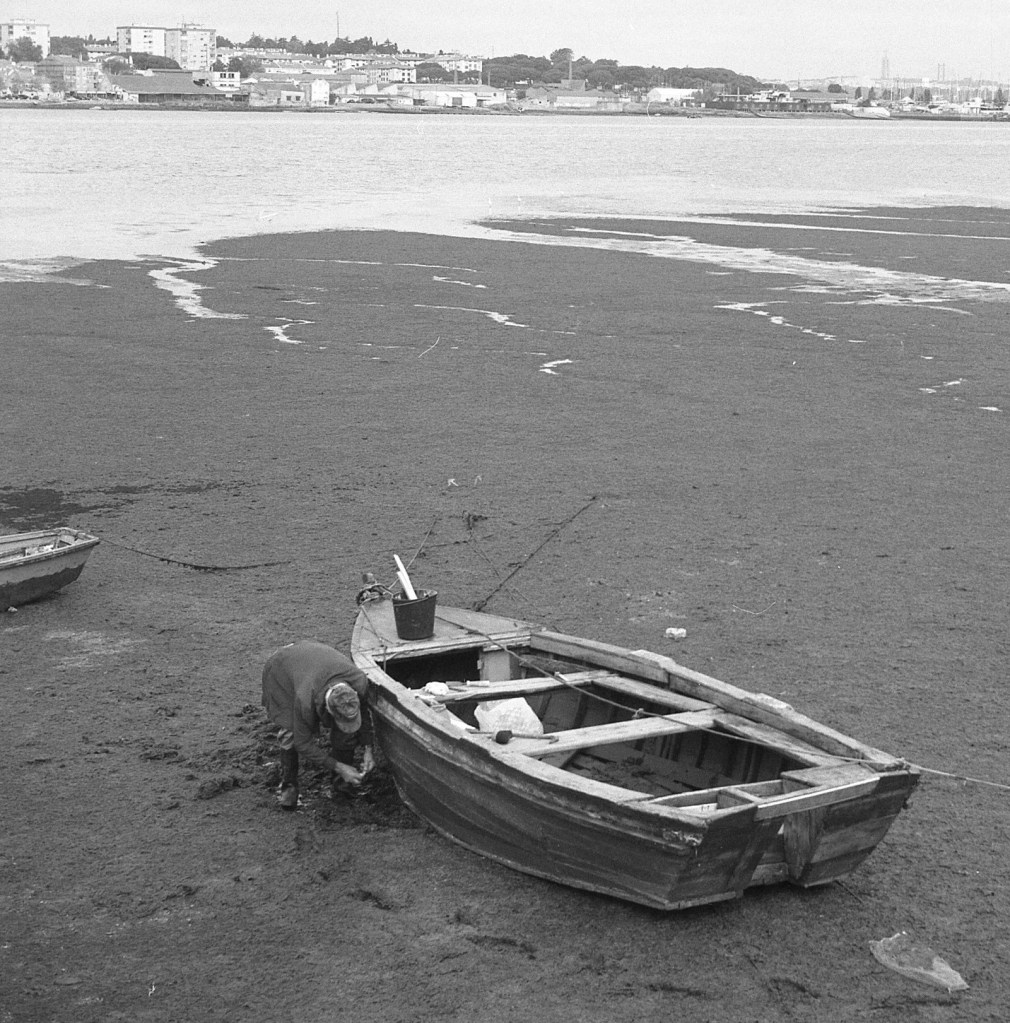
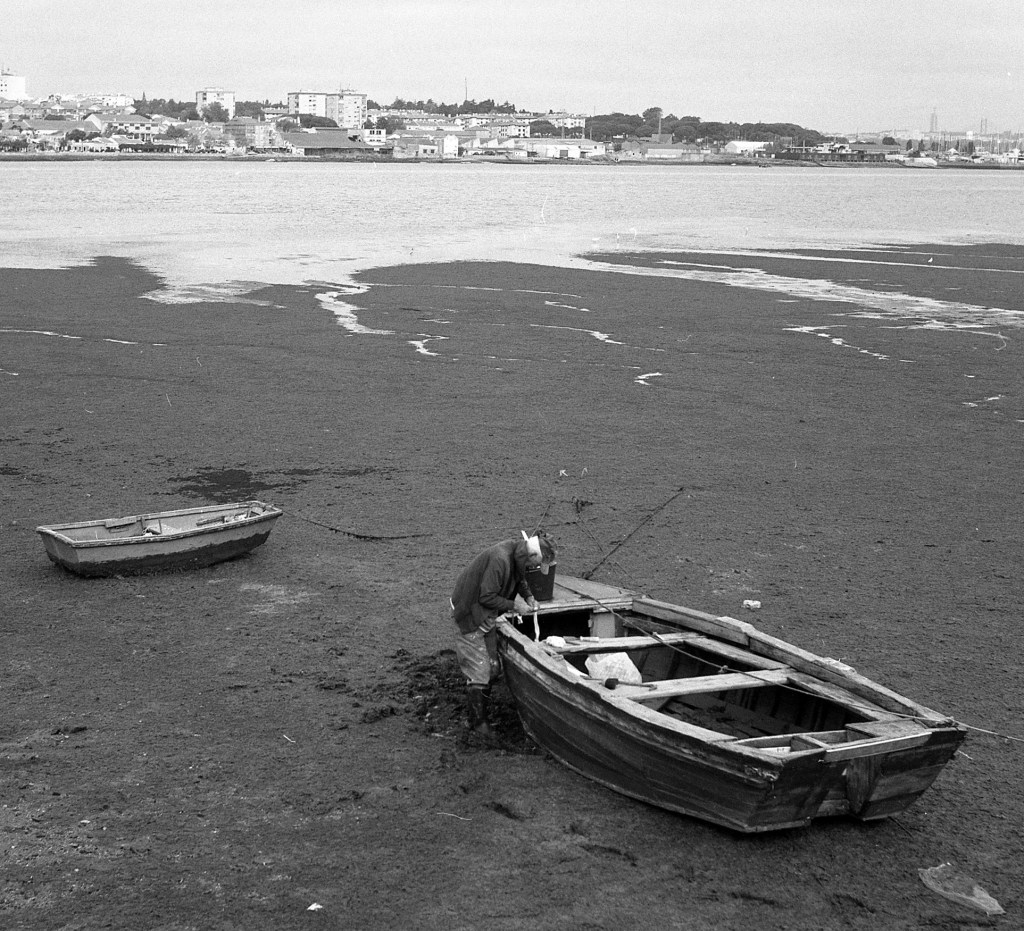
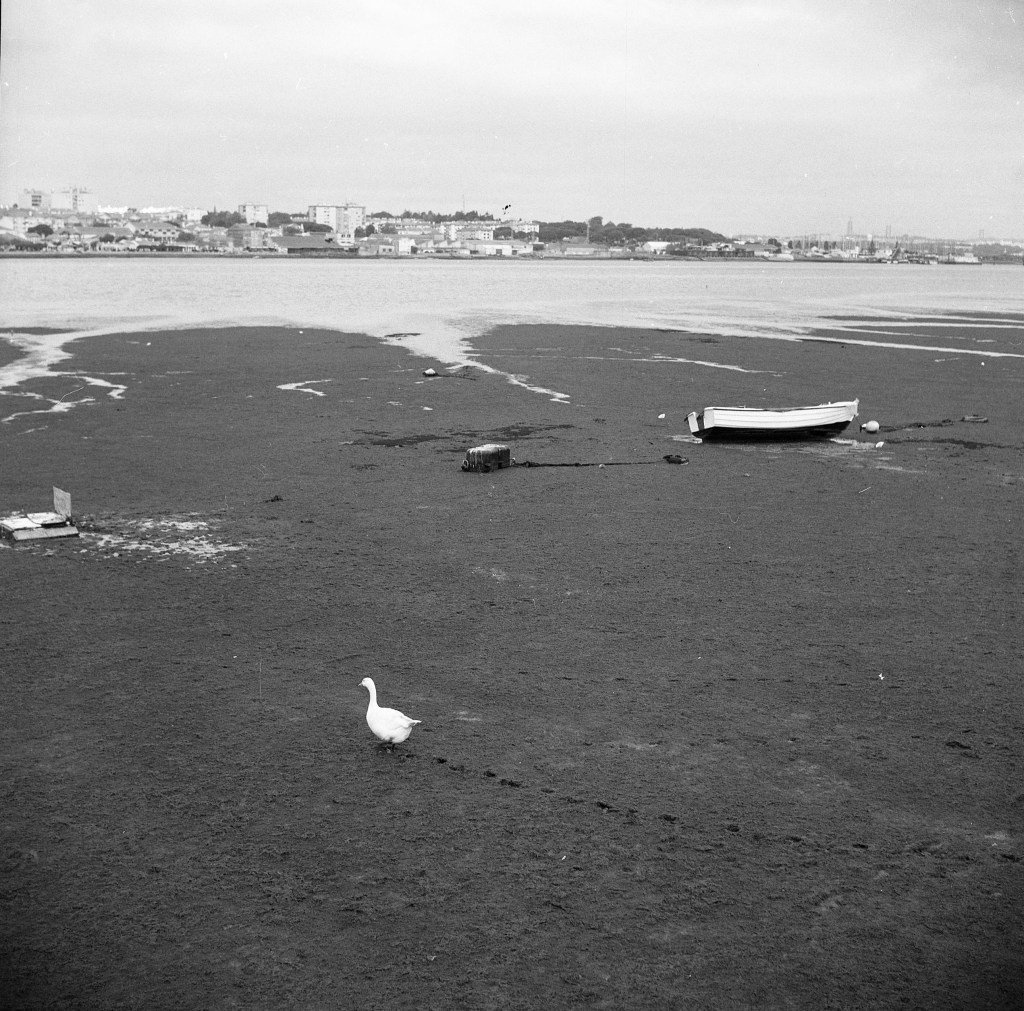
A walk yesterday along the south bank of the Tagus, on a calm morning with gray skies and little sun. Low tide leaves large areas of mud along the shore, covered in green slime. On the muddy surface an old fisherman is making repairs on his boat, probably as old as he is. Further ahead, a goose walks proudly, dominating his territory.
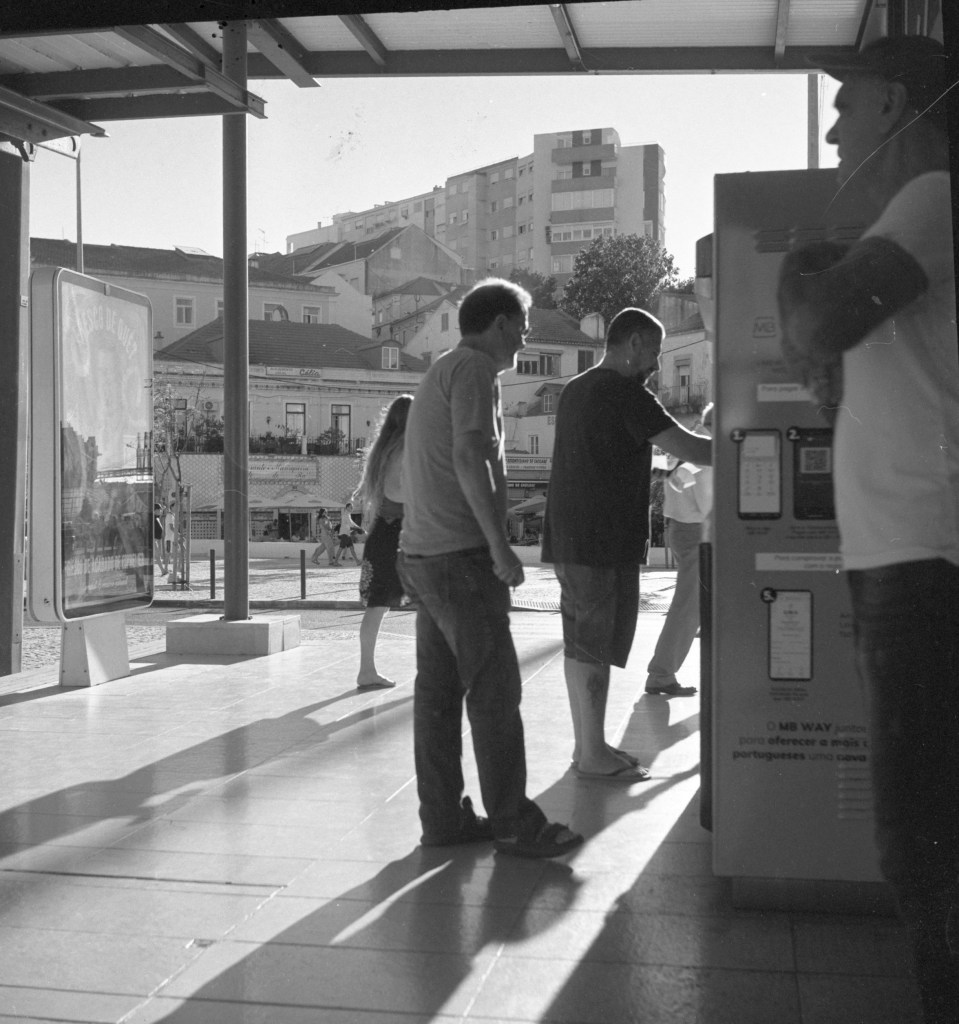
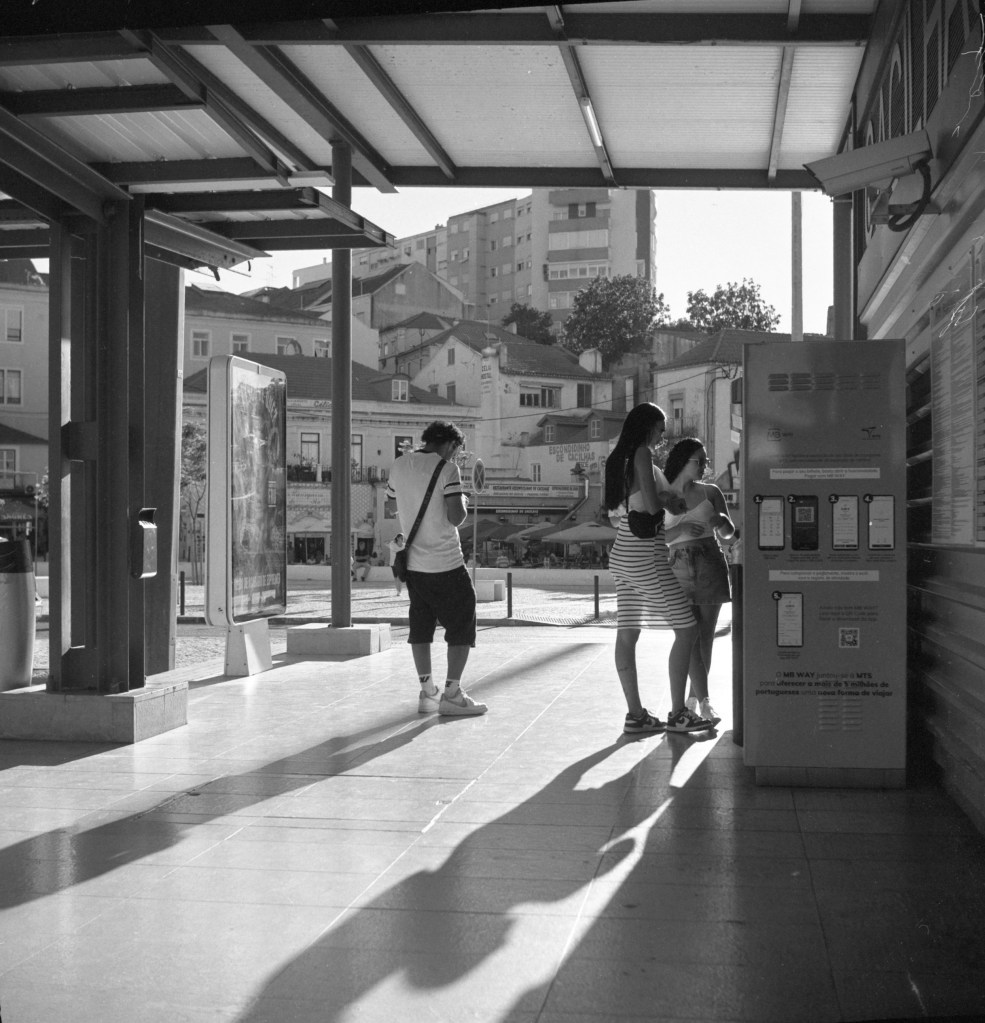
The magnificent sunlight after 5:00 PM. Two scenes near a ticket machine for a sub-urban train. The second photo reminded me of a song from the sixties by the Beatles “Ticket to Ride”
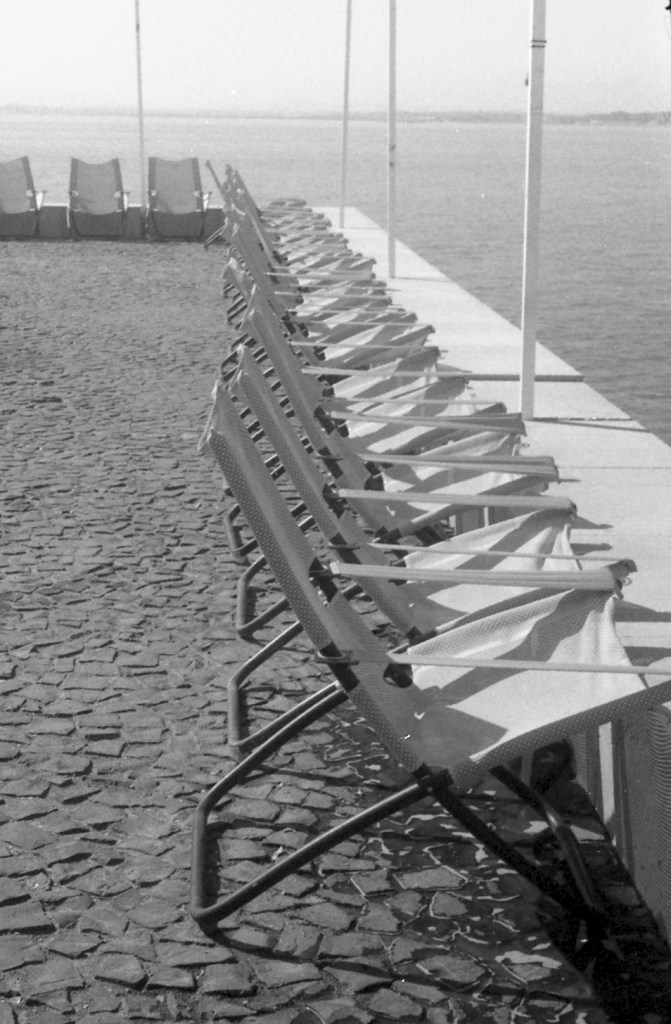
Another trip along the Tagus, with a Zorki-1 camera, an Industar-22 manual lens and a roll of Eastman plus-X (the camera, the lens and the film have been out of production for years). Old stuff, but it works.
Living next to the river makes us familiar with it, but it ends up becoming a banal presence for many people. We can contemplate it, run along the shore or, simply, turn our backs on it, ignoring it.
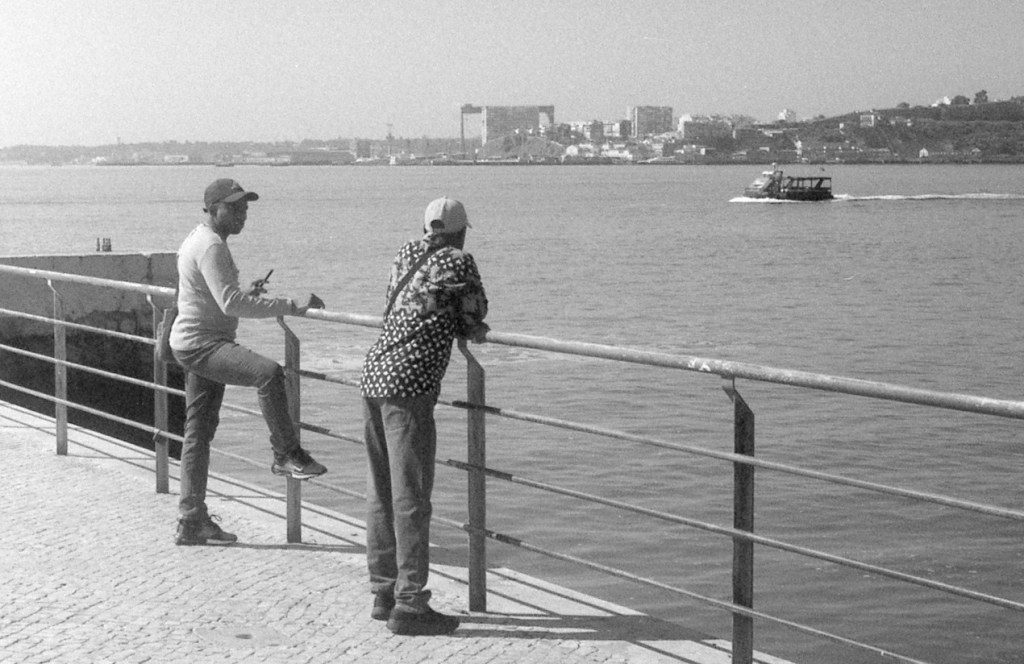
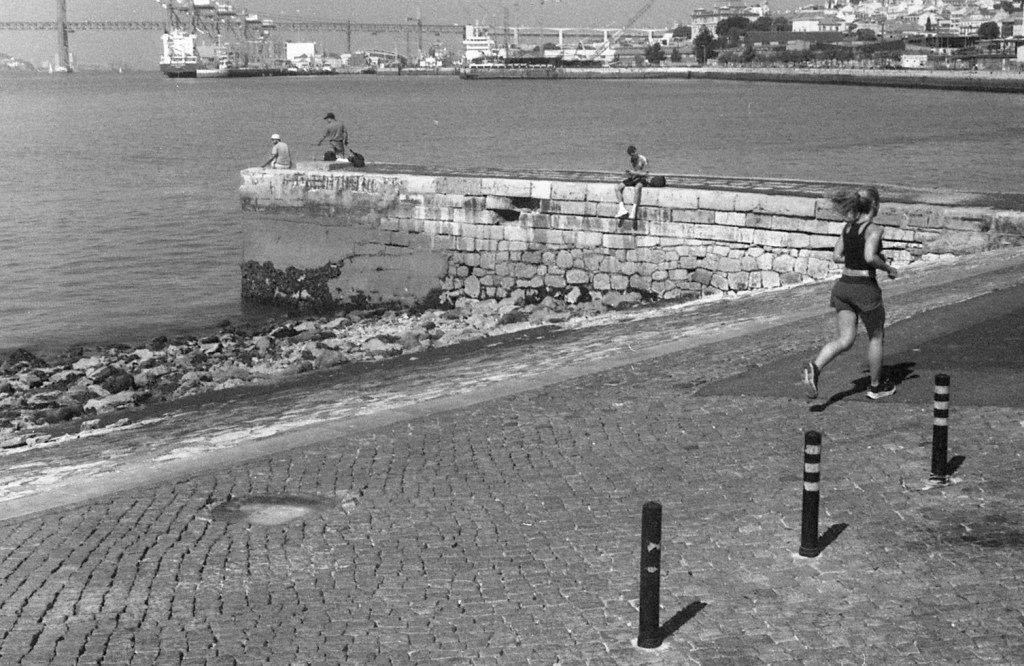
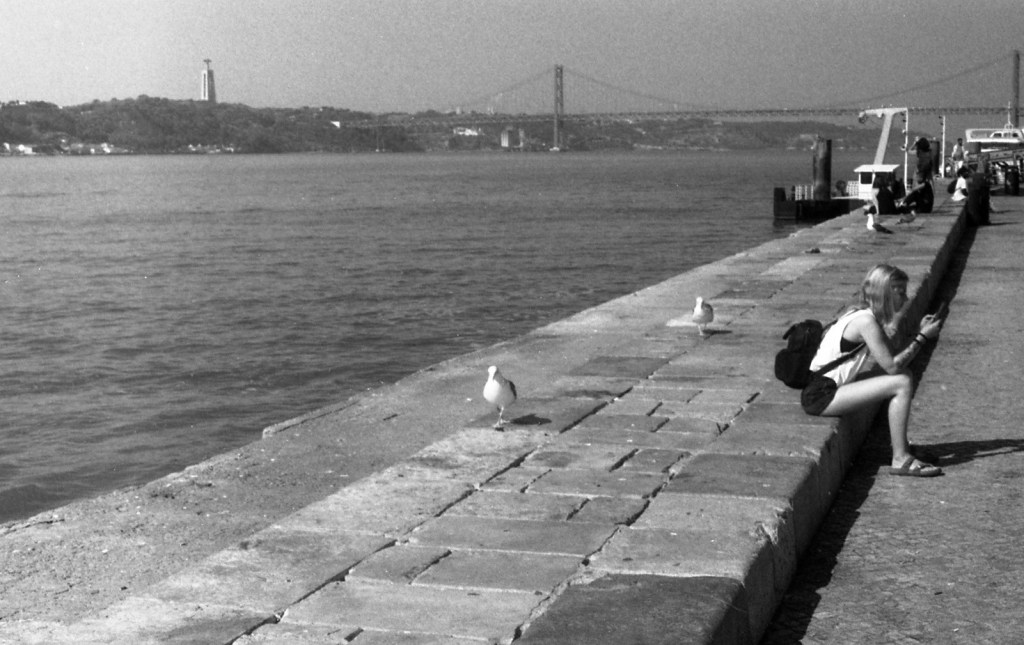
Or not even use the chairs that allow us to so easily look at it.
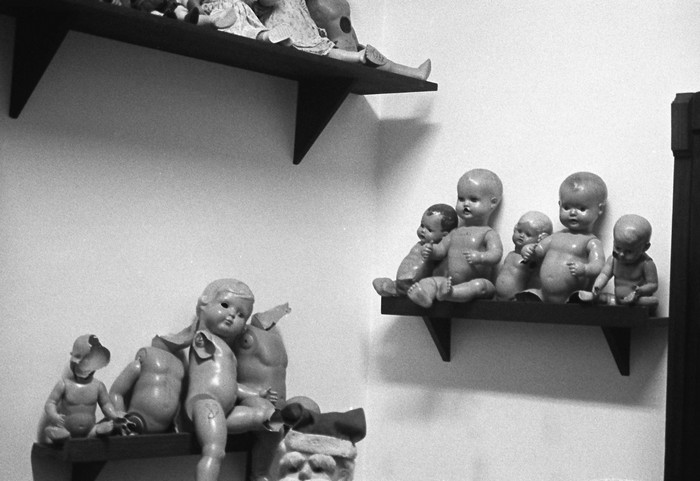
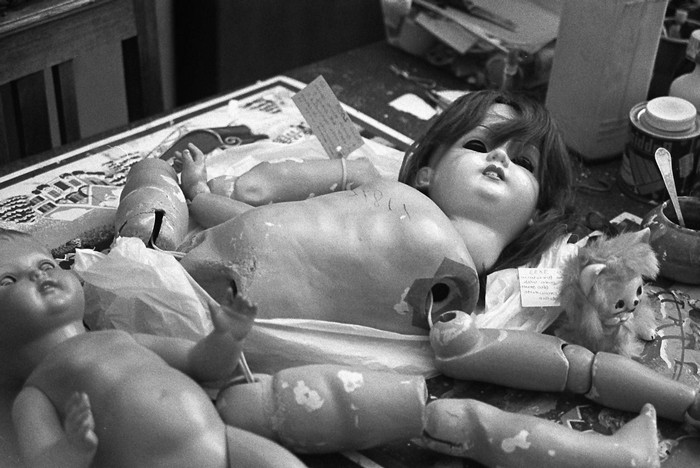
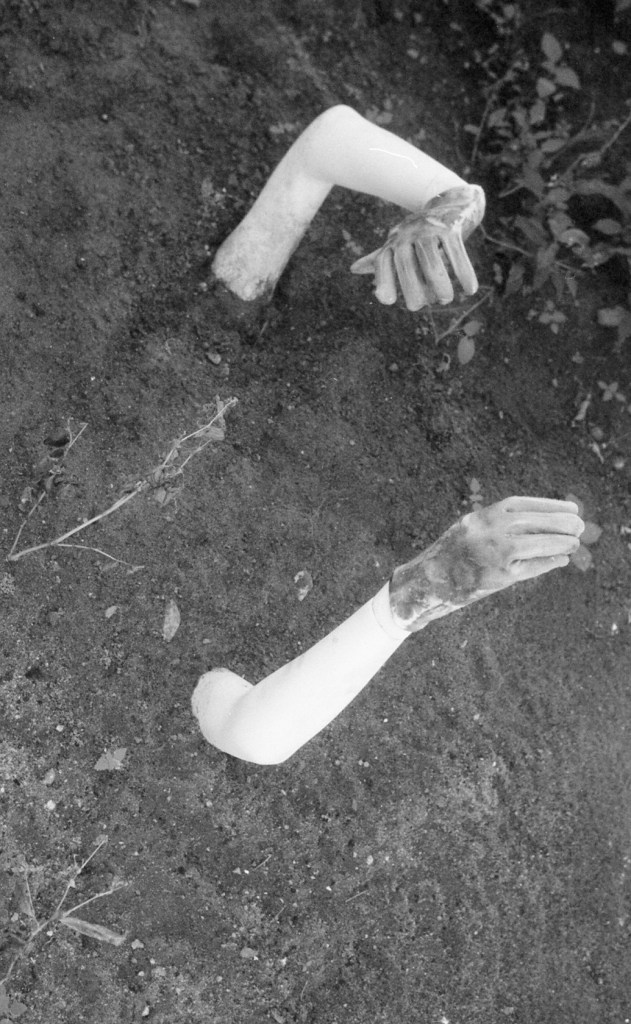
In downtown Lisbon there is a a Doll's Hospital were some experts repair and restore collectible dolls, some of them highly priced. A visit to the premises is somehow creepy, the dolls are always associated with small children and seeing their parts spreaded around is quite impressive.

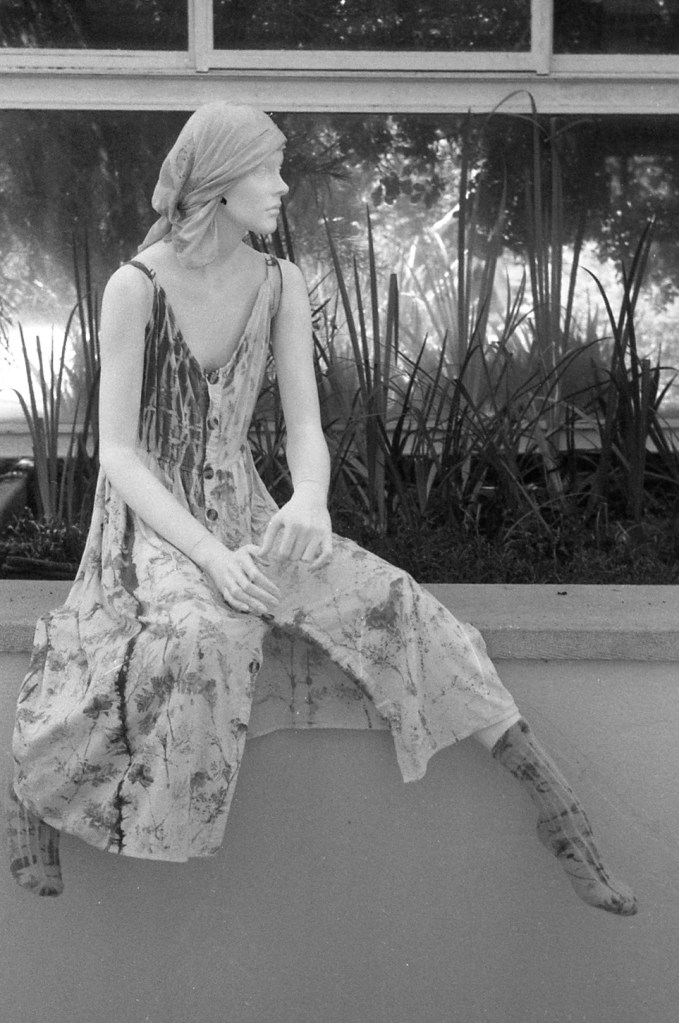
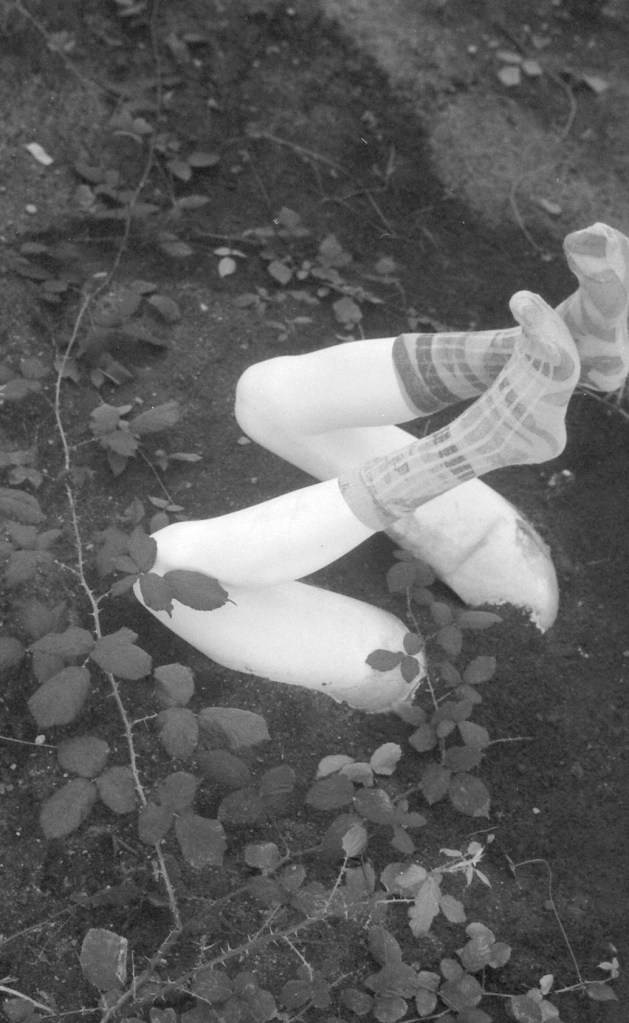
At Art’s Garden, an exhibition of fabric decoration made from plant leaves and stems, using the natural properties of plants to leave marks on the texture of the fabrics. Some mannequins, or their parts, helped to compose the set. A few of them called my attention.
An exhibition of photographs by Daniel Blaufuks at the Museum of Architecture Art and Technology (MAAT) in Lisbon. I selected two of many photos exposed. A few hundreds of small instax photos, isolated or paired, with hand-written, printed or glued captions.

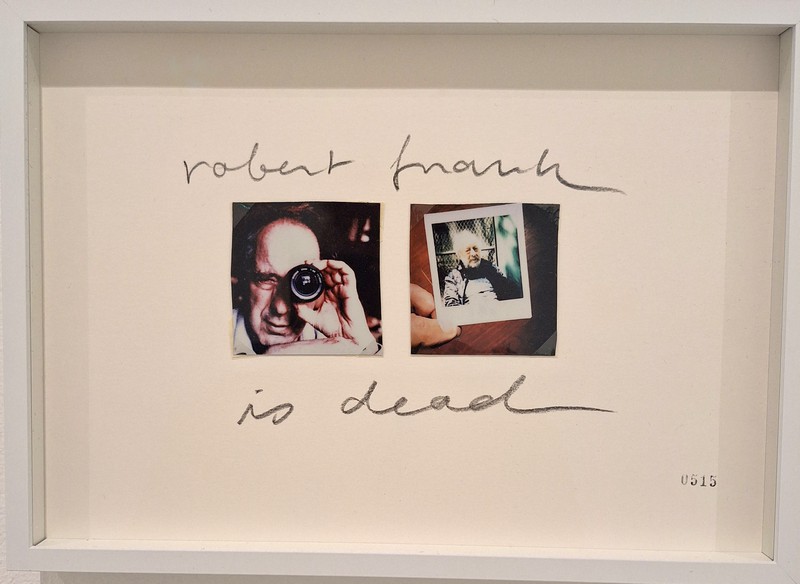
From the introductory text by João Pinharanda :
“We created time and immediately felt hemmed in and devoured by it. Memory is a betrayal of time. We have always tried, without success, to escape it, to negate its erosive influence – a Sisyphean task in which Blaufuks, who exposes to the world the weight of the myriad epochs and memories (family, personal, historical, political, cultural, …) he carries, participates.
Some more information here https://maat.pt/en/event/daniel-blaufuks-days-are-numbered
Some more sketches from a recent live model drawing session

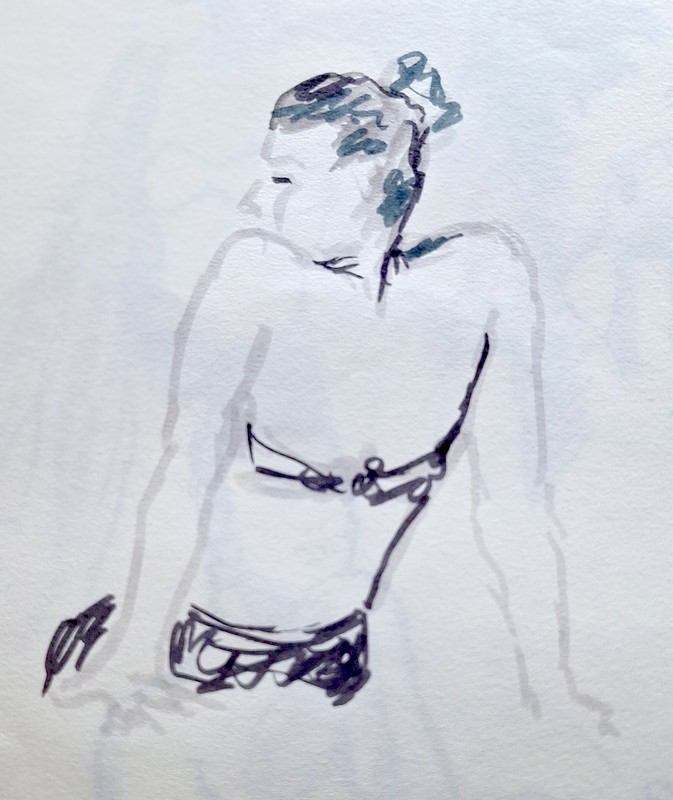
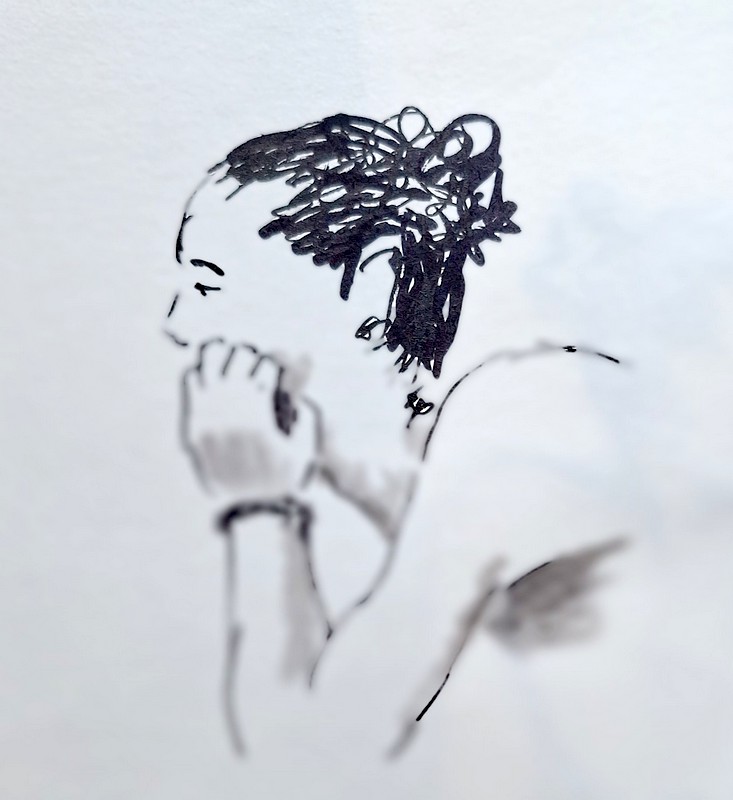
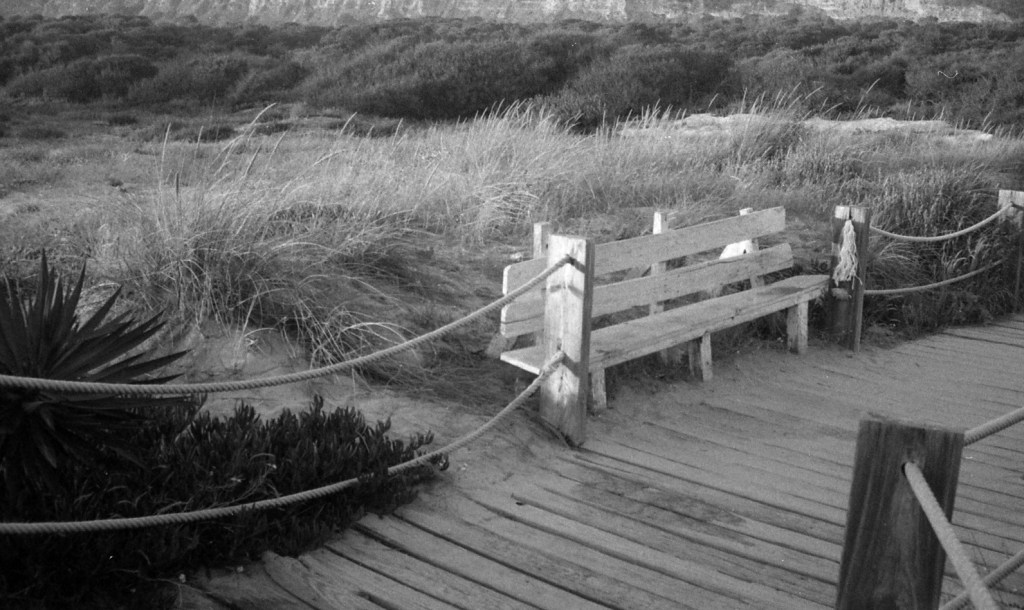
And a beach bench at sunset – it lacks a model sitting there
Saturday afternoon, South bank of the Tagus. People gather there to meet, eat and drink.
Some people prefer to be left alone. A moment of rest to settle ideas and feelings

Others choose to dance. A group of friends, or more probably an informal dancing class. They bring their own music and dance in pairs. One of them directs the others, giving instructions before each music sometimes correcting their movements. They seem to take this quite seriously – but they share and communicate a lot of joy.


Some people make and play their own music…

… while others sit and talk, probably about the good old times

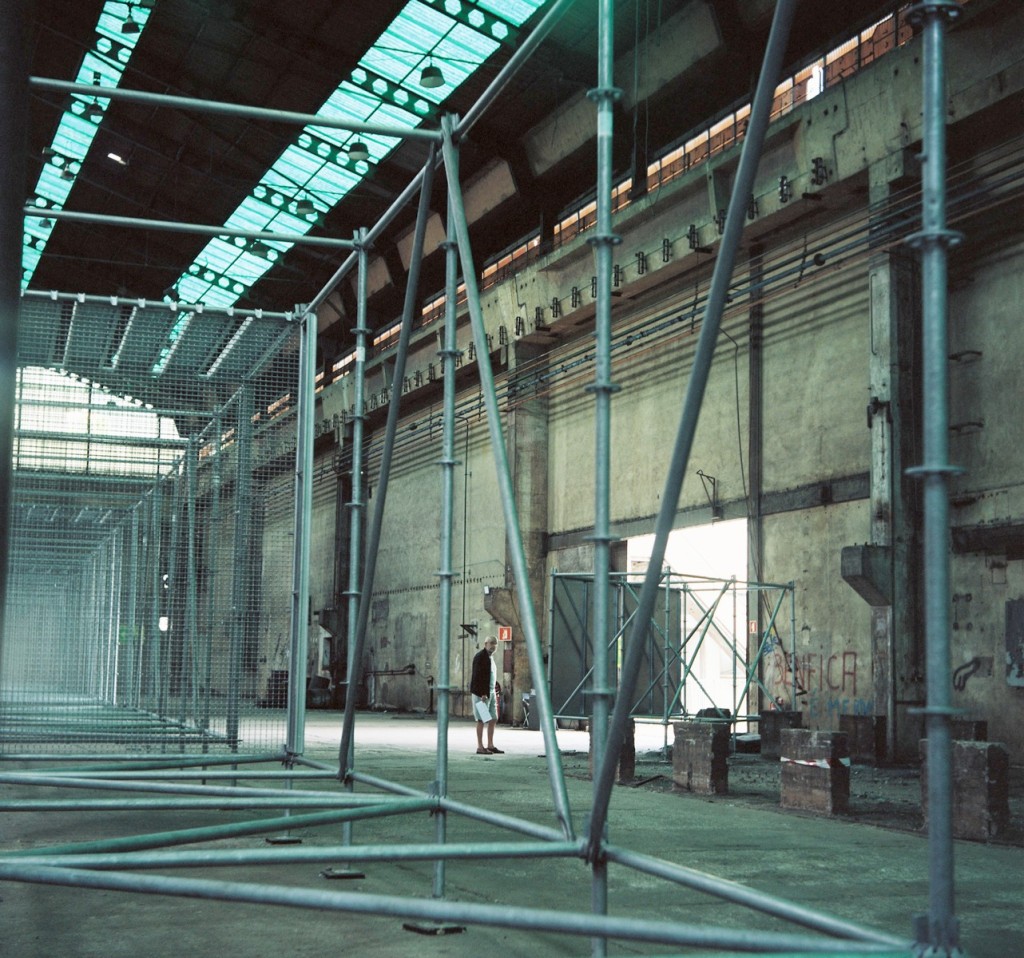
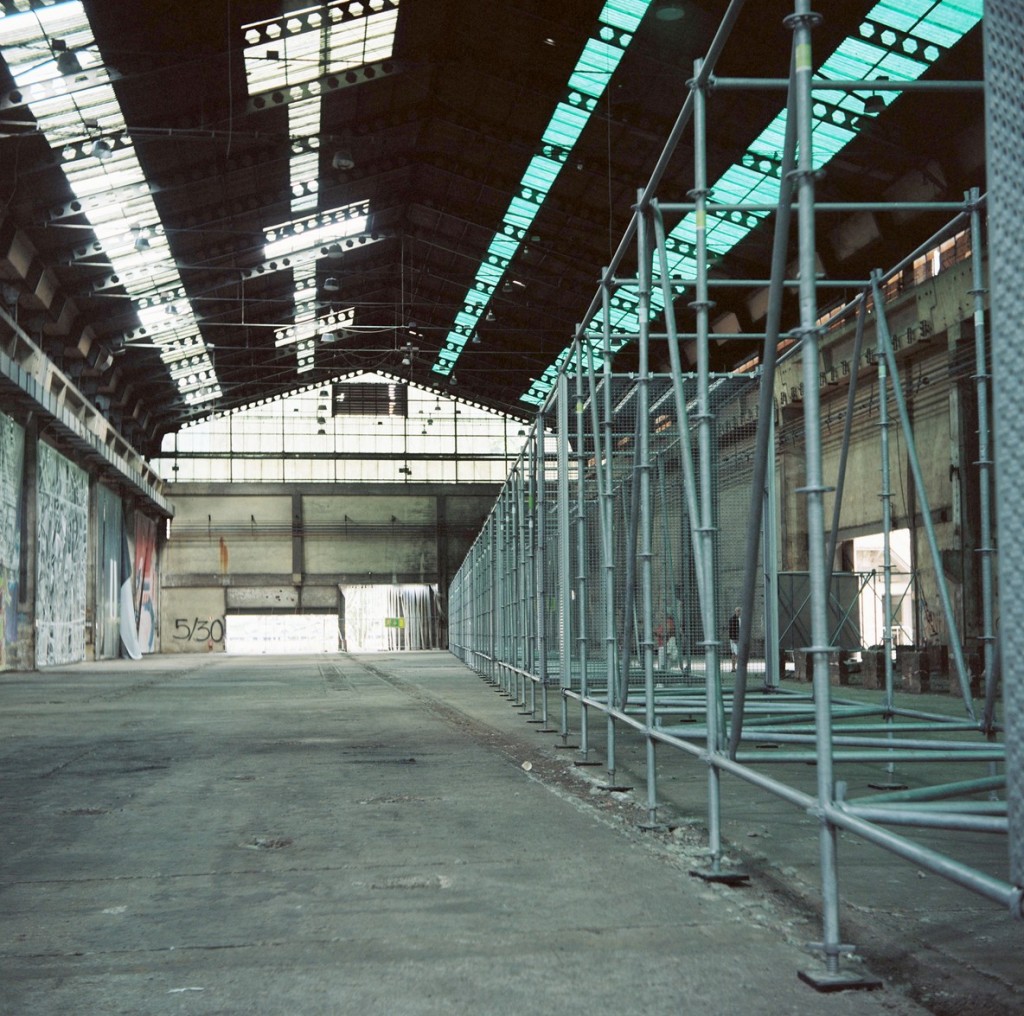
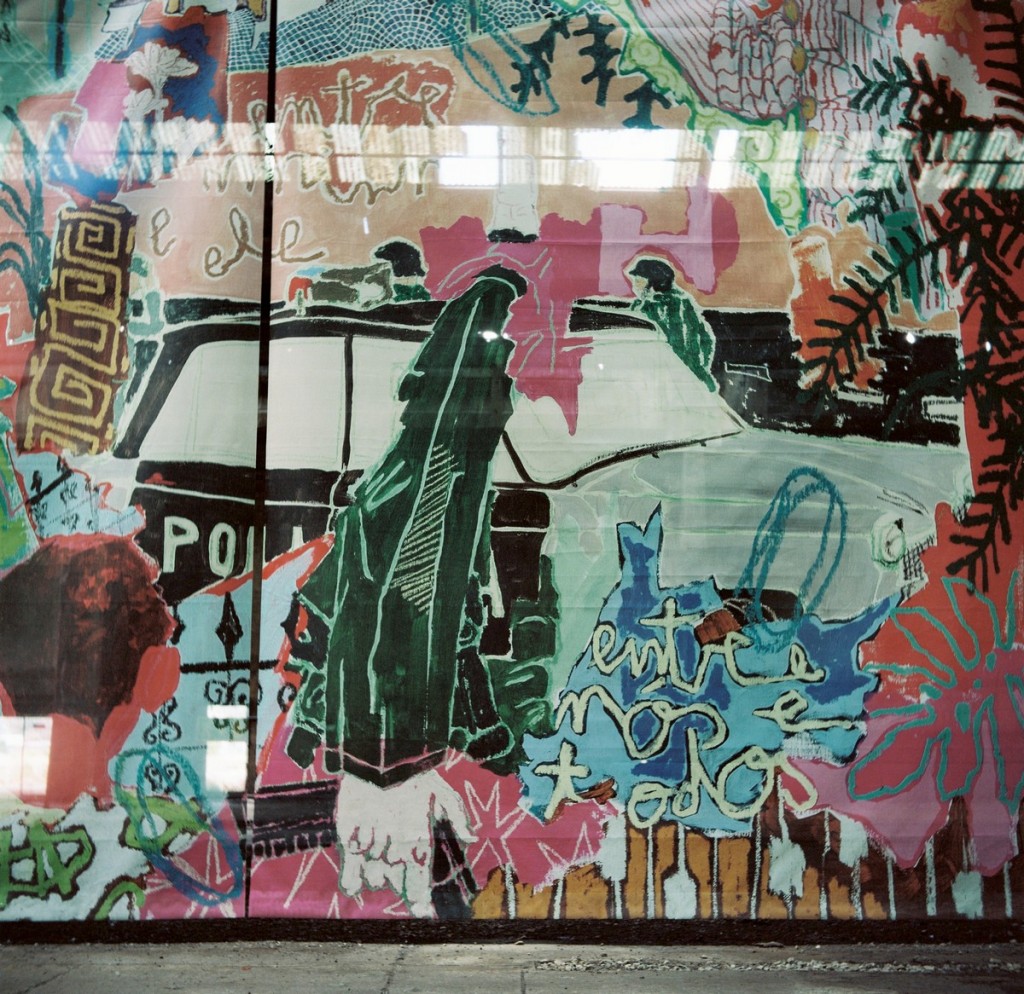
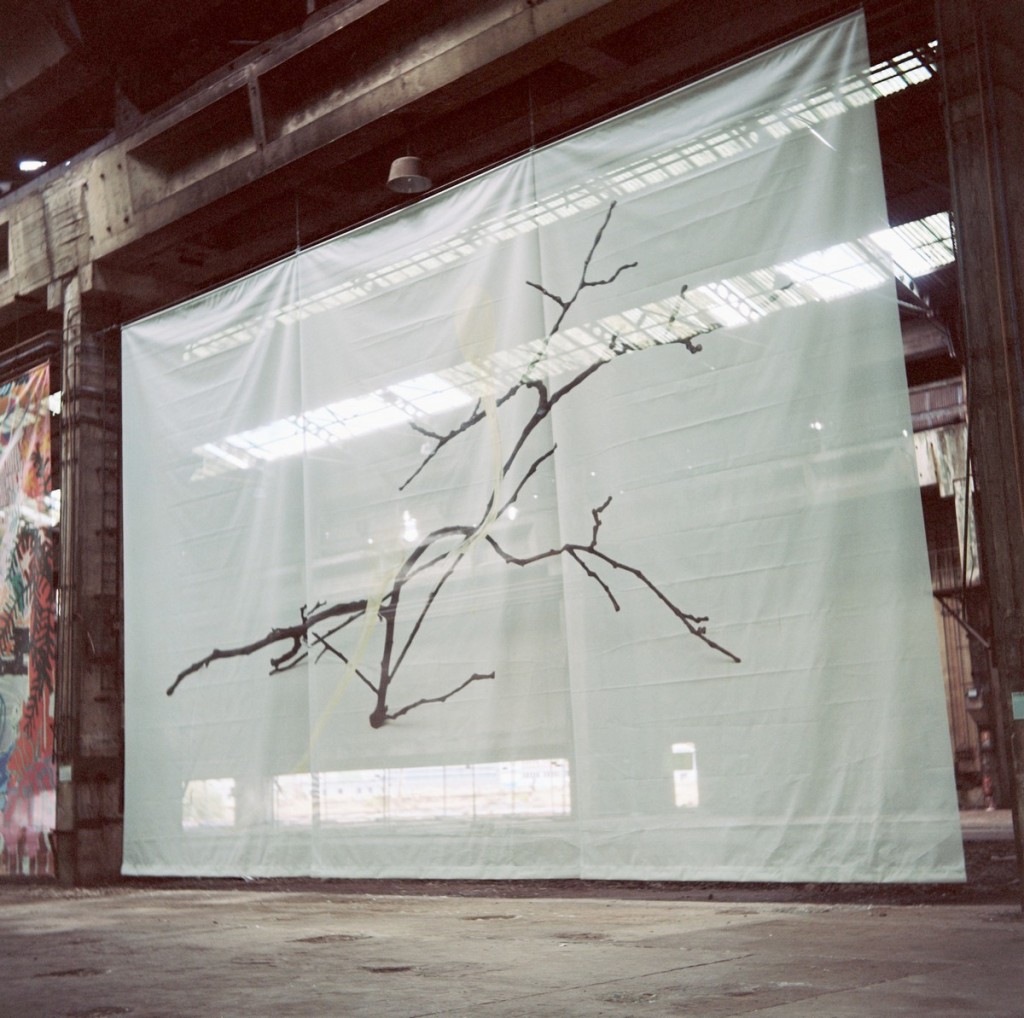
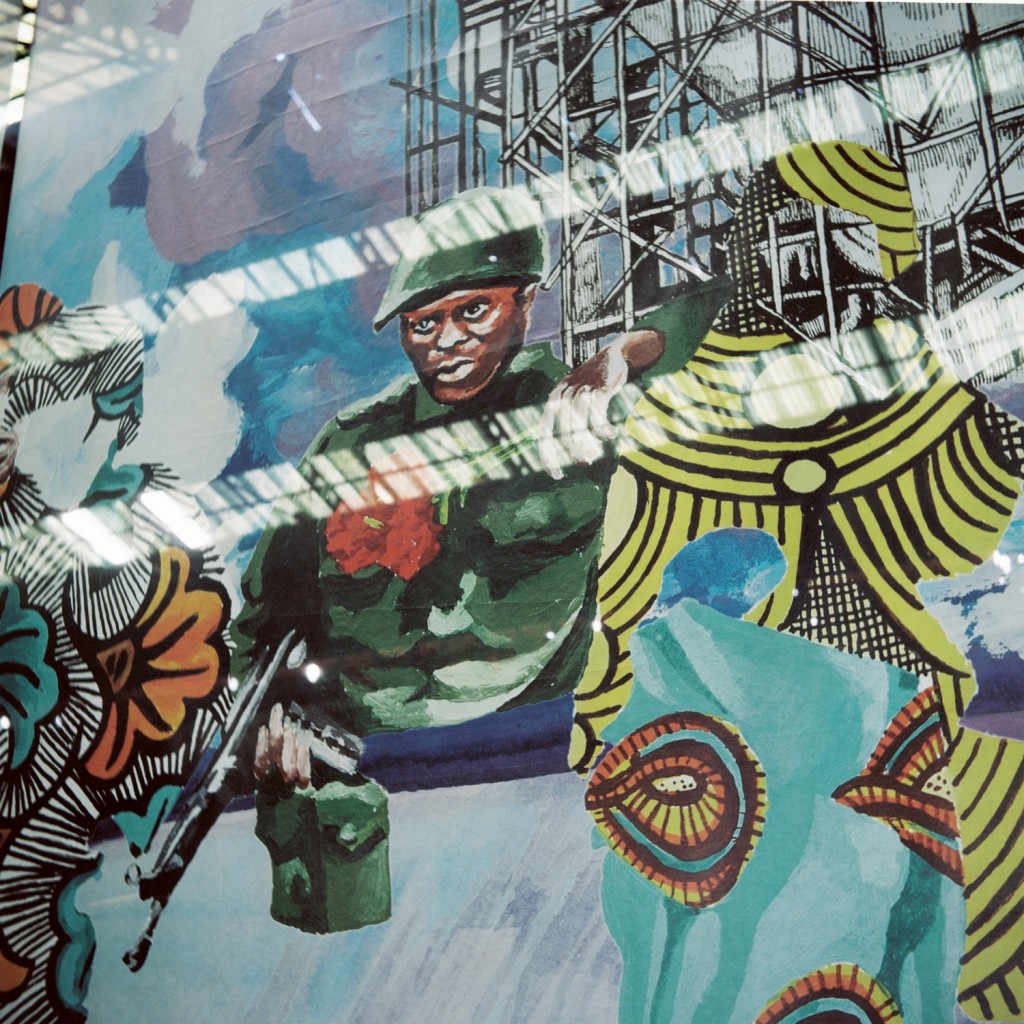
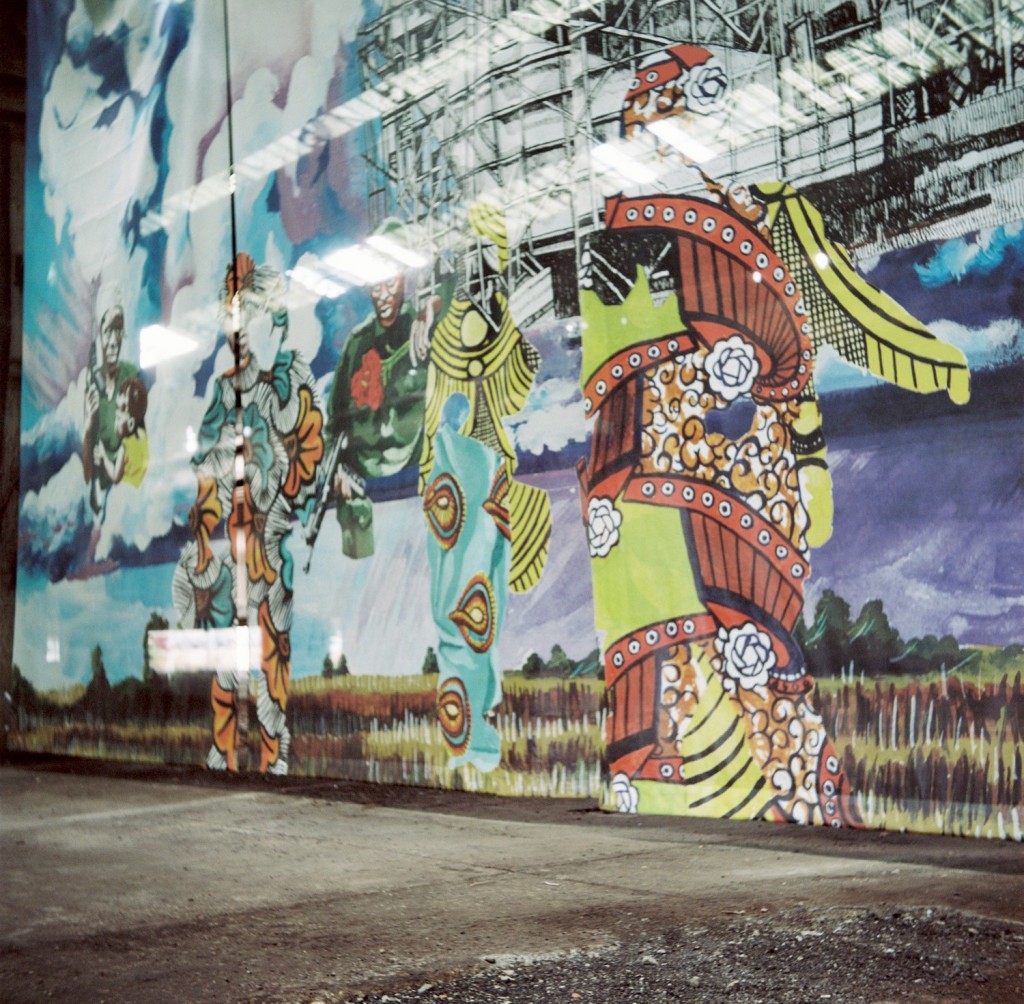
An exhibition commemorating the 50th anniversary of the April Revolution and the end of the colonial wars in Africa. Seven artists created images on very large semi-transparent canvases, installed in the abandoned buildings of the largest ship repair industry in the Lisbon area.
There is visible light from the roof windows coming in through the canvases.
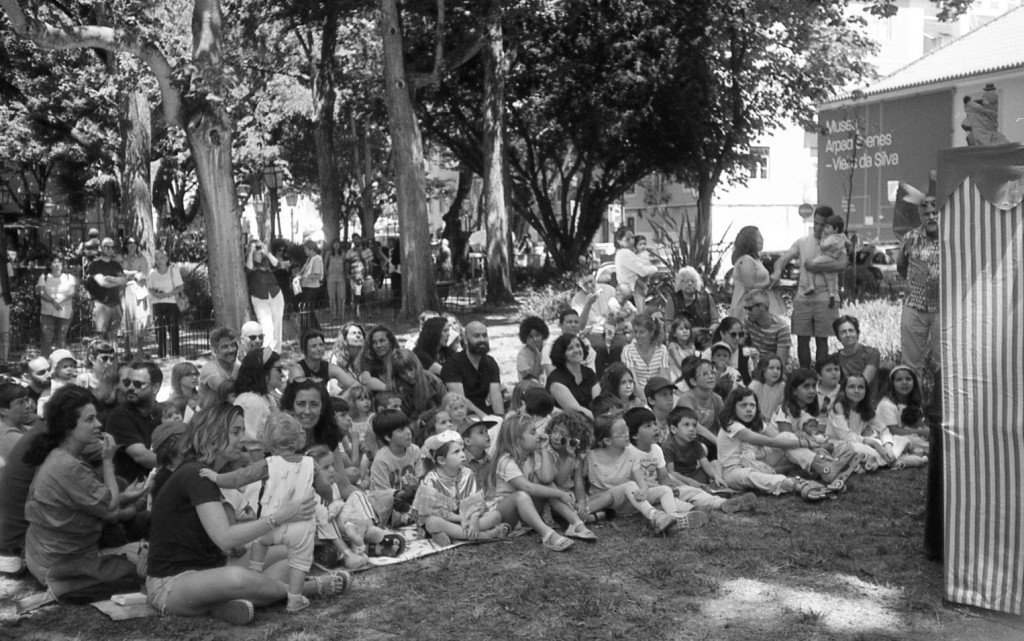
June 13th was Lisbon’s municipal holiday – and that day coincides with the date of birth of the painter Maria Helena Vieira da Silva (1908-1992). There was a celebration at the Arpad Szenes-Vieira da Silva museum and in Amoreiras Garden, in front of the museum. As I passed by I noticed a group of children watching a puppet show.
It’s nice to see children looking at a something alive instead of being mesmerized by a screen…
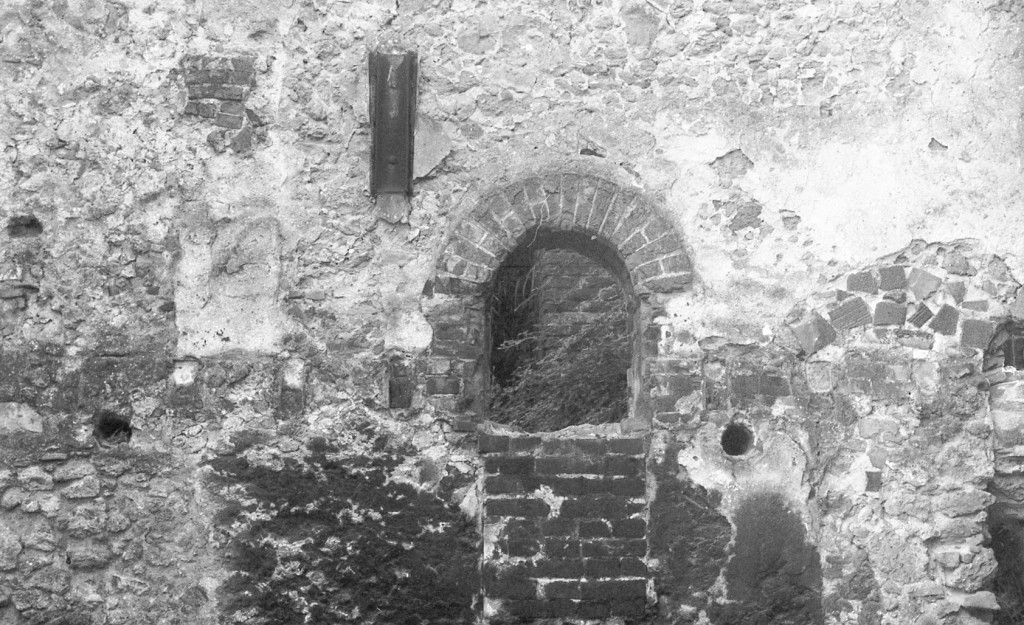
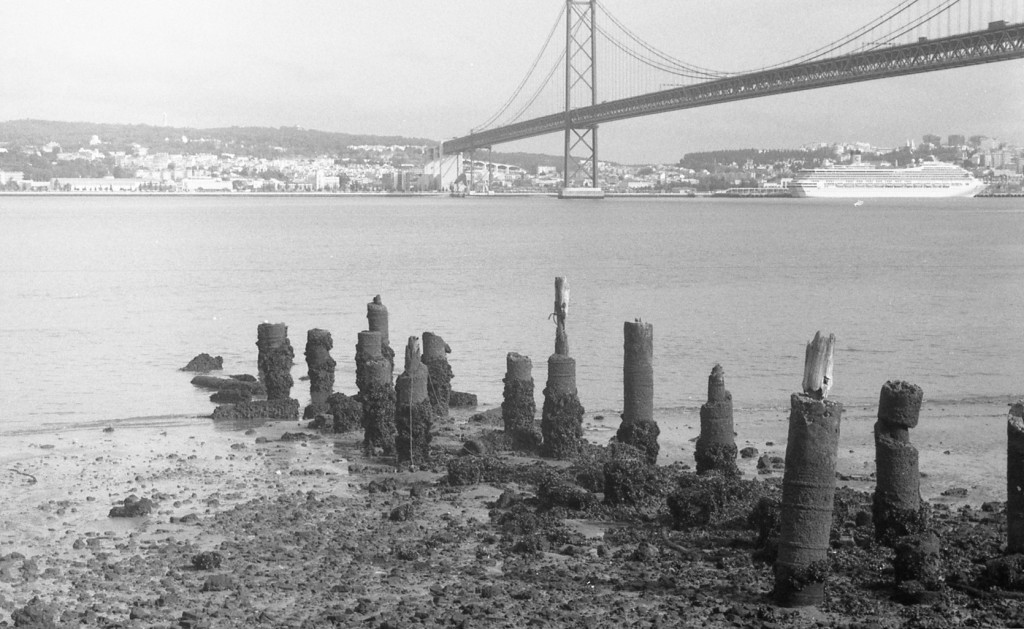
There is a small beach on the Tagus bank, between two cliffs, just west of the 25th April bridge. In the XIX century there was a soap factory there, today only its ruins remain. To get there it is necessary to take a steep path, not easy to find. At the river level we can found two chimneys, parts of the brick walls, lots of rubble and the opening of an old furnace. The place is invaded by briars and thorny wild weeds. The pillars of a former pier are still visible protruding from the water. Some fishermen take advantage of that place, they keep there a small boat and their fishing gear.
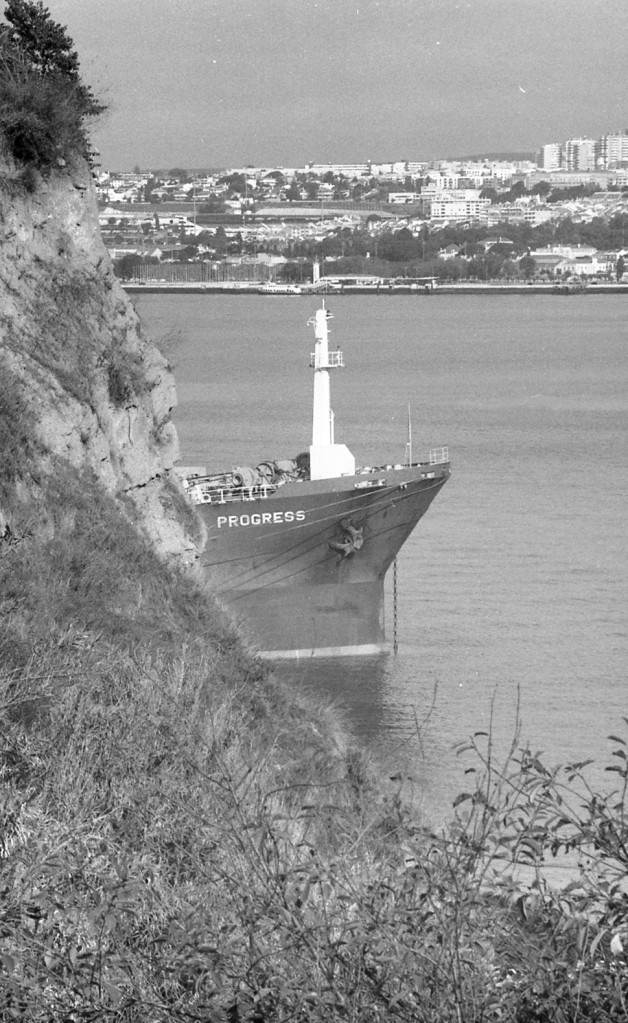
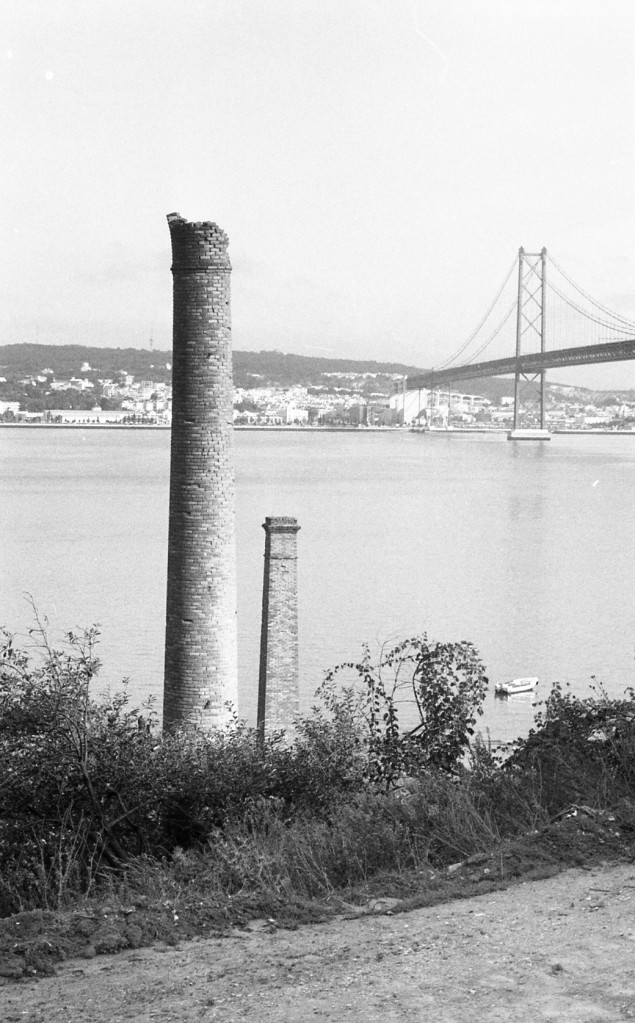
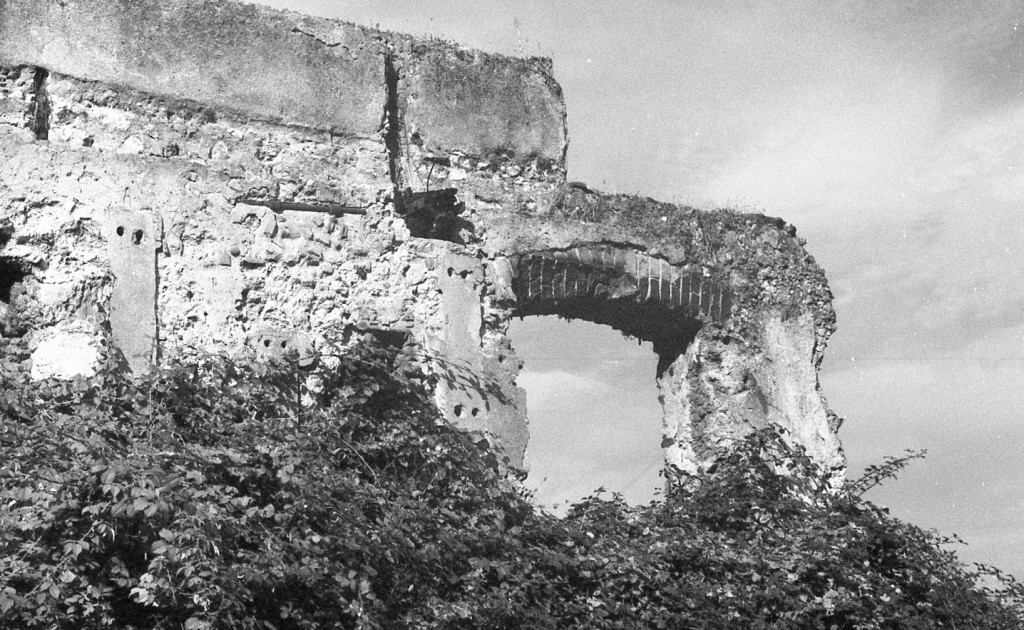
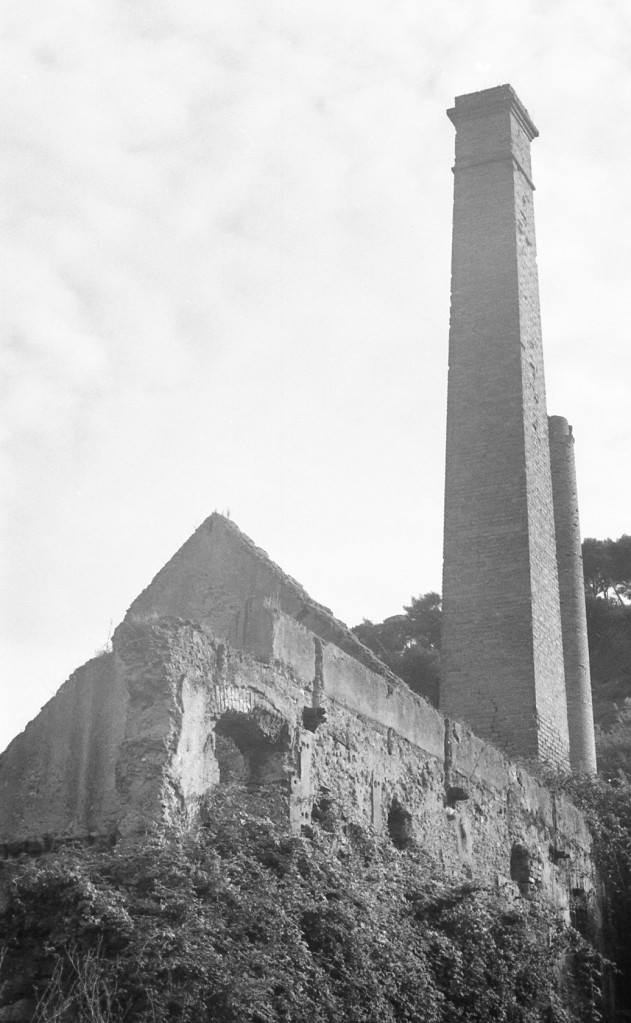
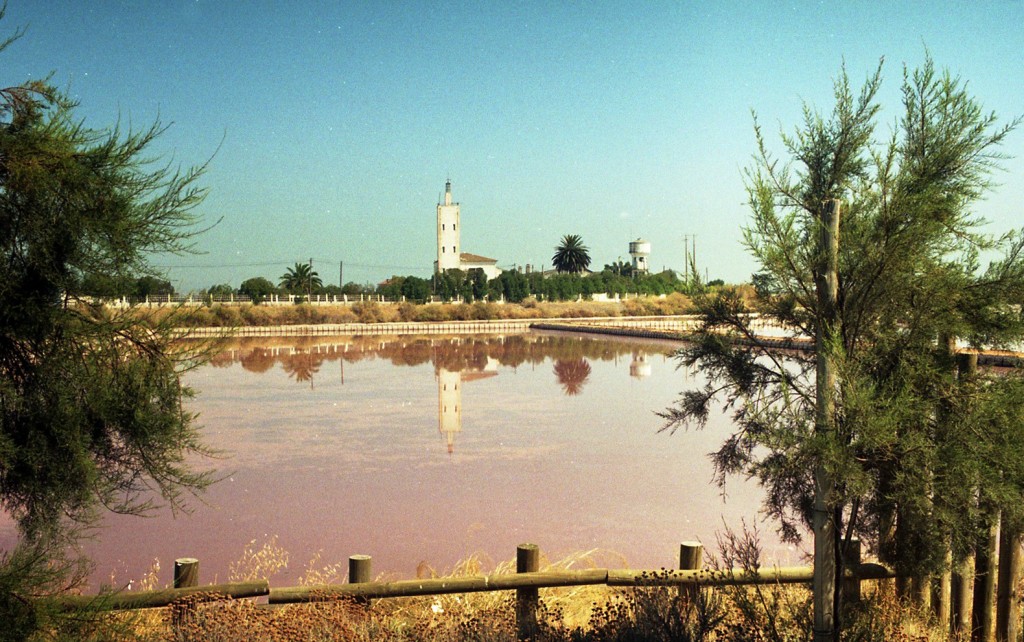
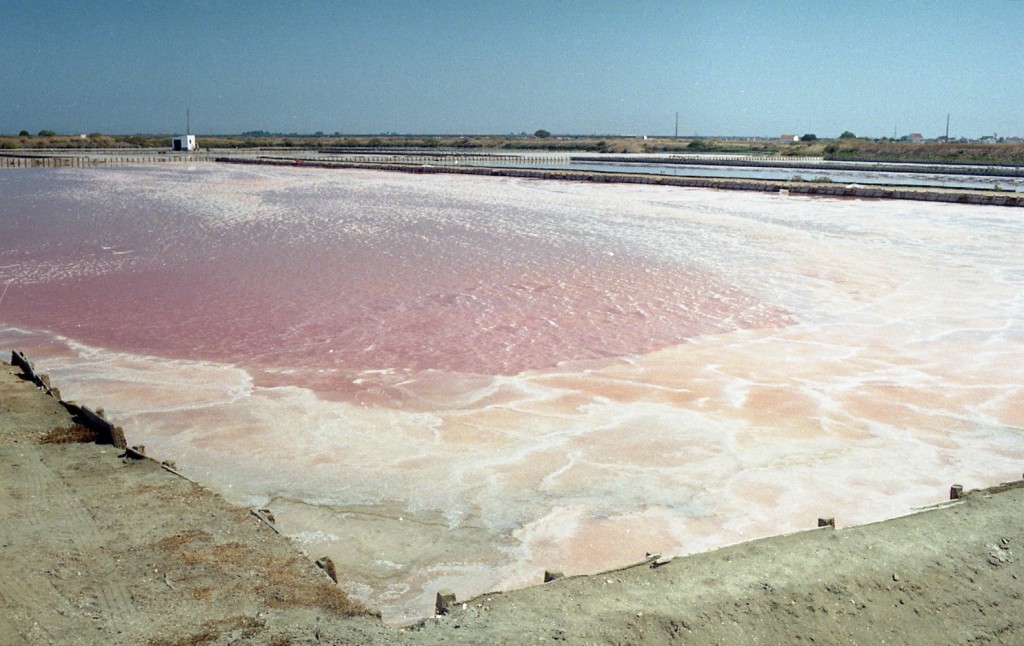
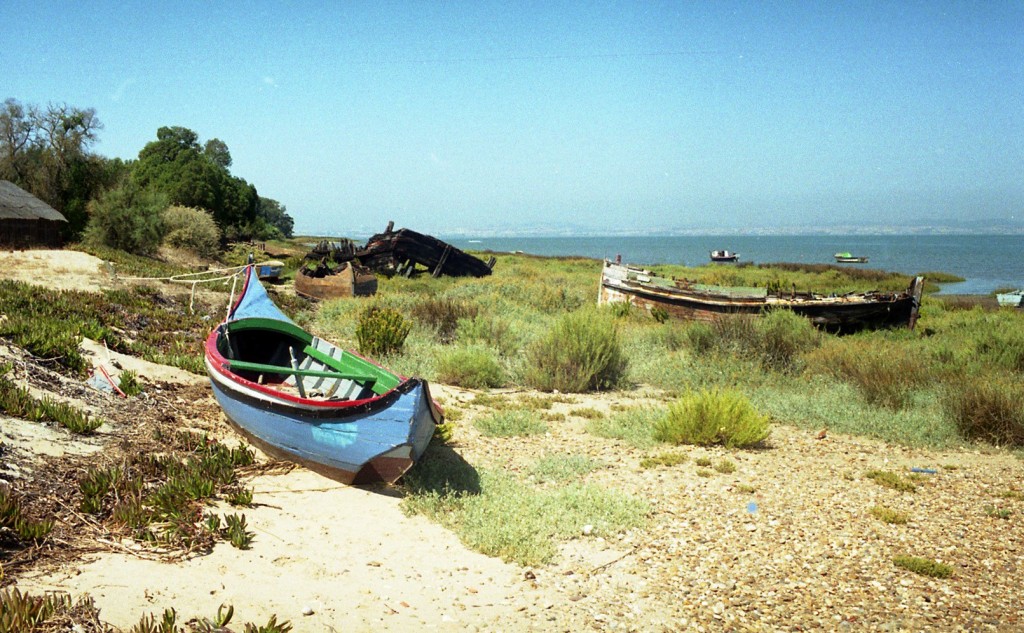
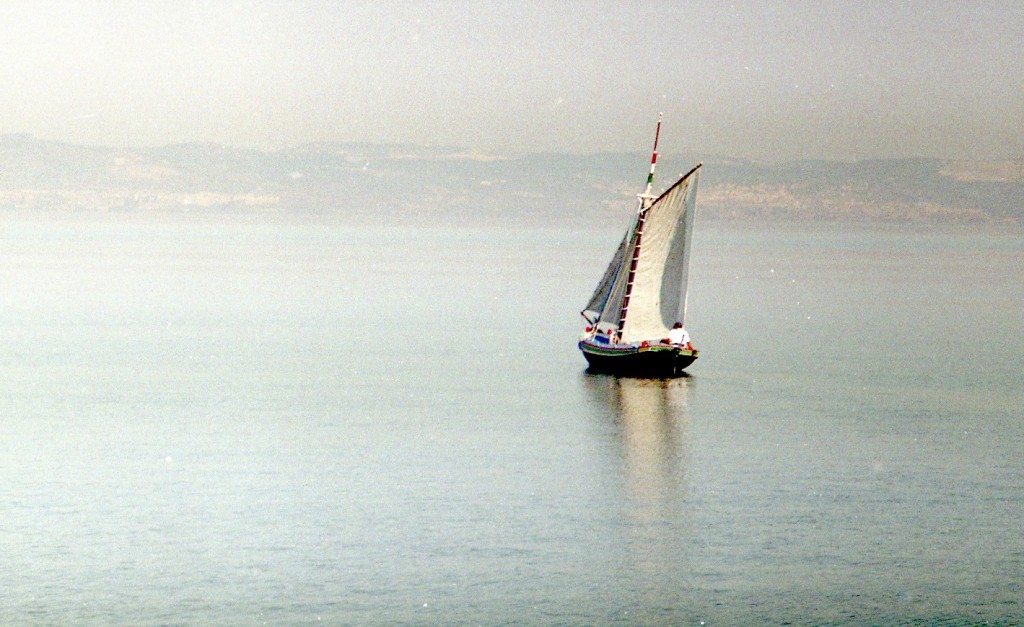
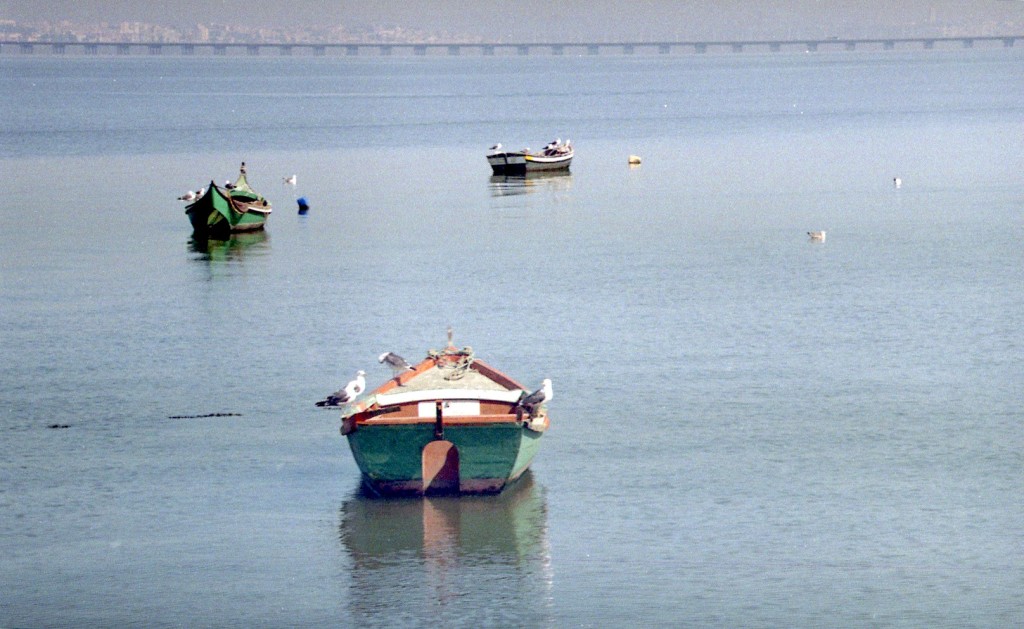
Reviewing some old negatives from more than 15 years ago, I found some images from the salt pans of the Tagus South bank. They seemed abandoned then, probably they are now out of business. But old tools and machines were still there, and also the big salt mounts – as if the people working there had suddenly gone away. Some boats were on the river – and seagulls too, of course…

 João Avelar images