By French cartoonist Sempé
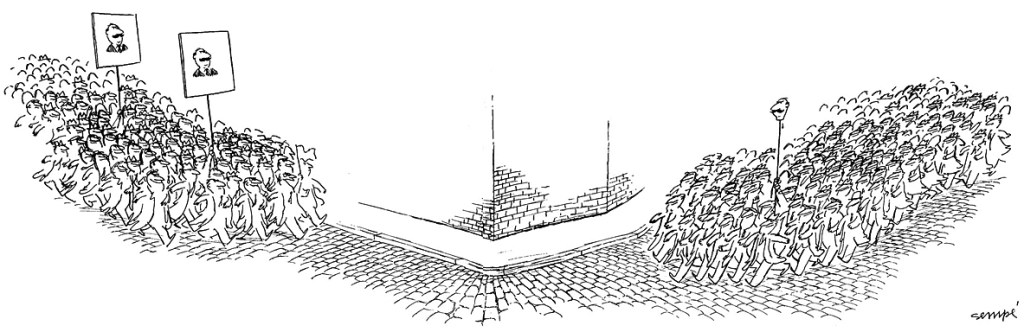
Eyes that seek the Unseen
By French cartoonist Sempé
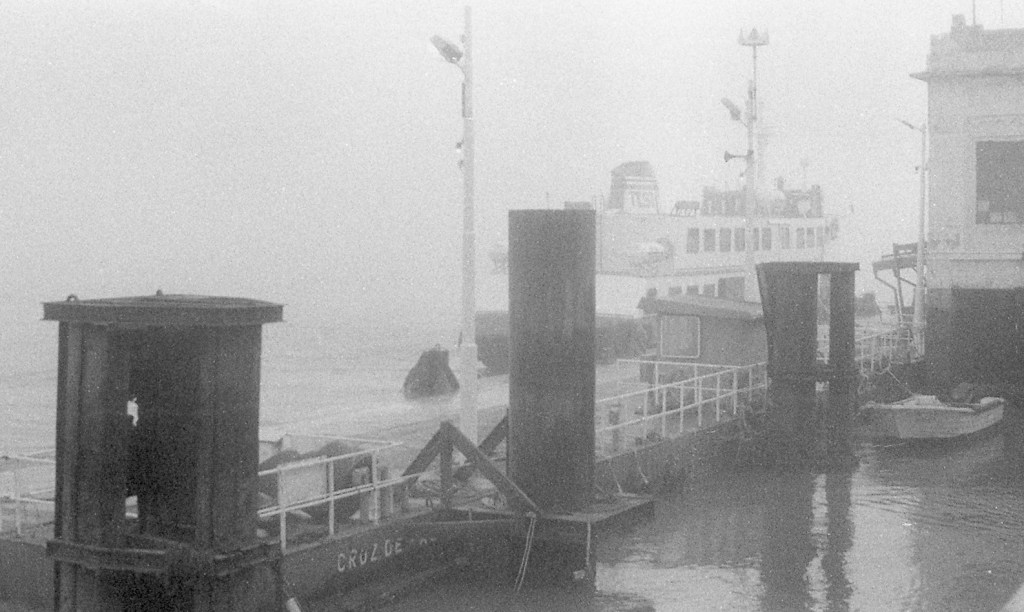
Early morning fog at the Tagus South bank. Grey light, a sense of unknown space, vague unmeasurable distances , cold. And silence.
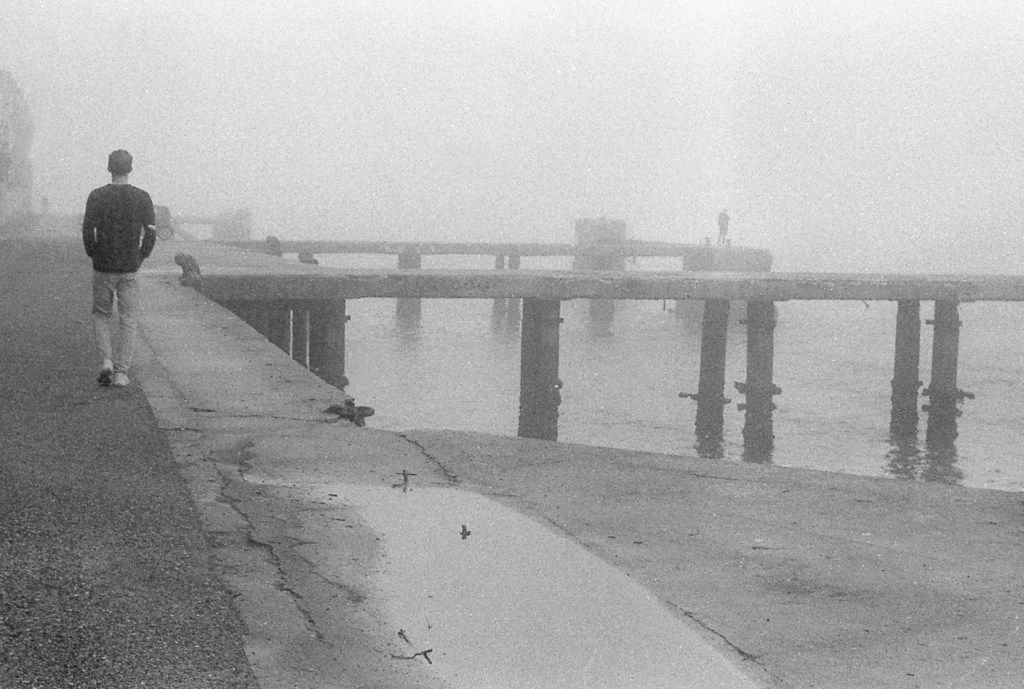

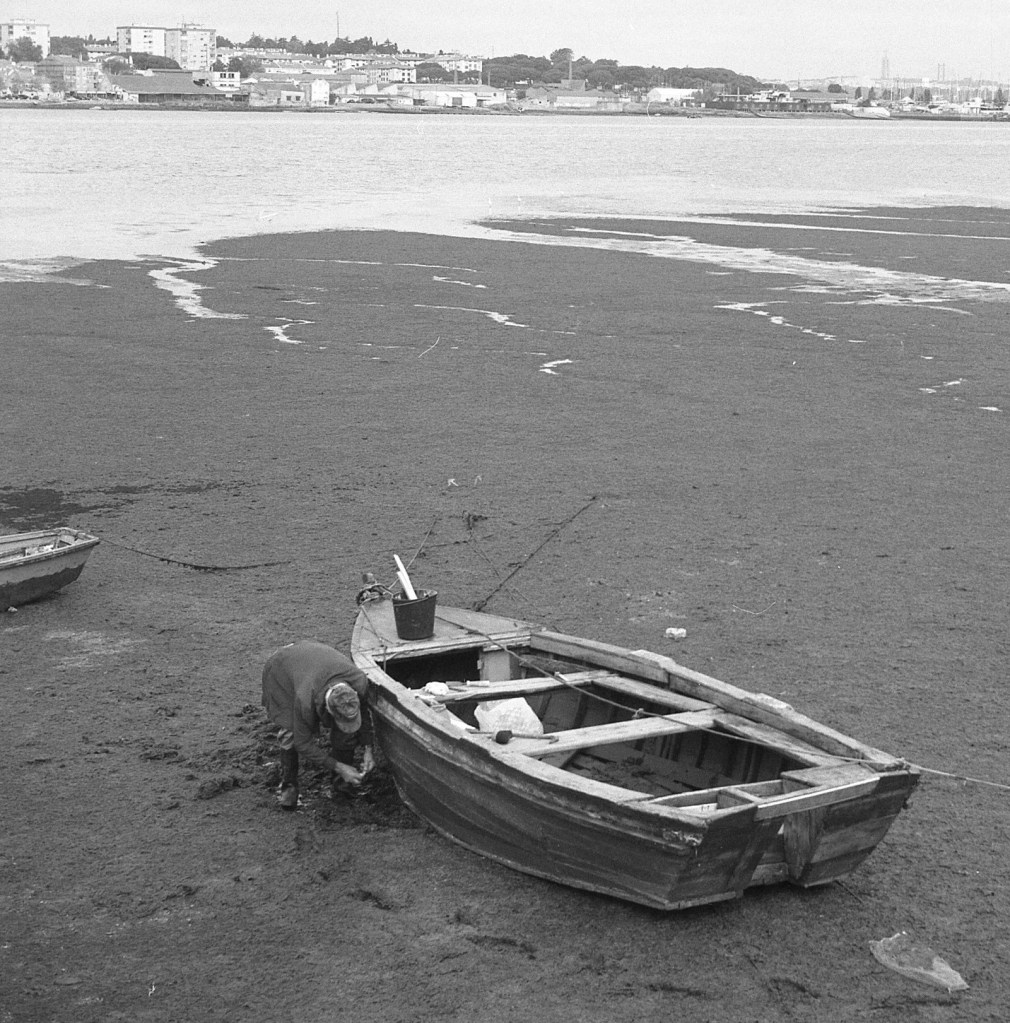
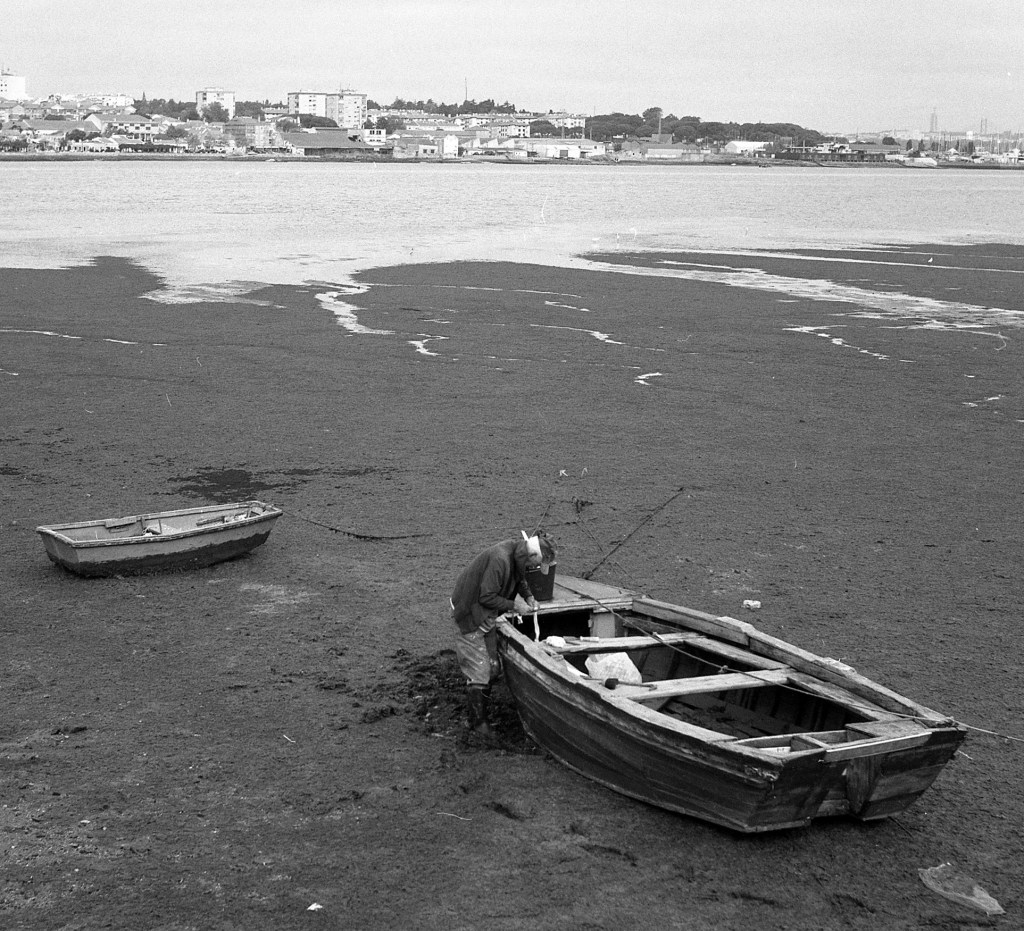
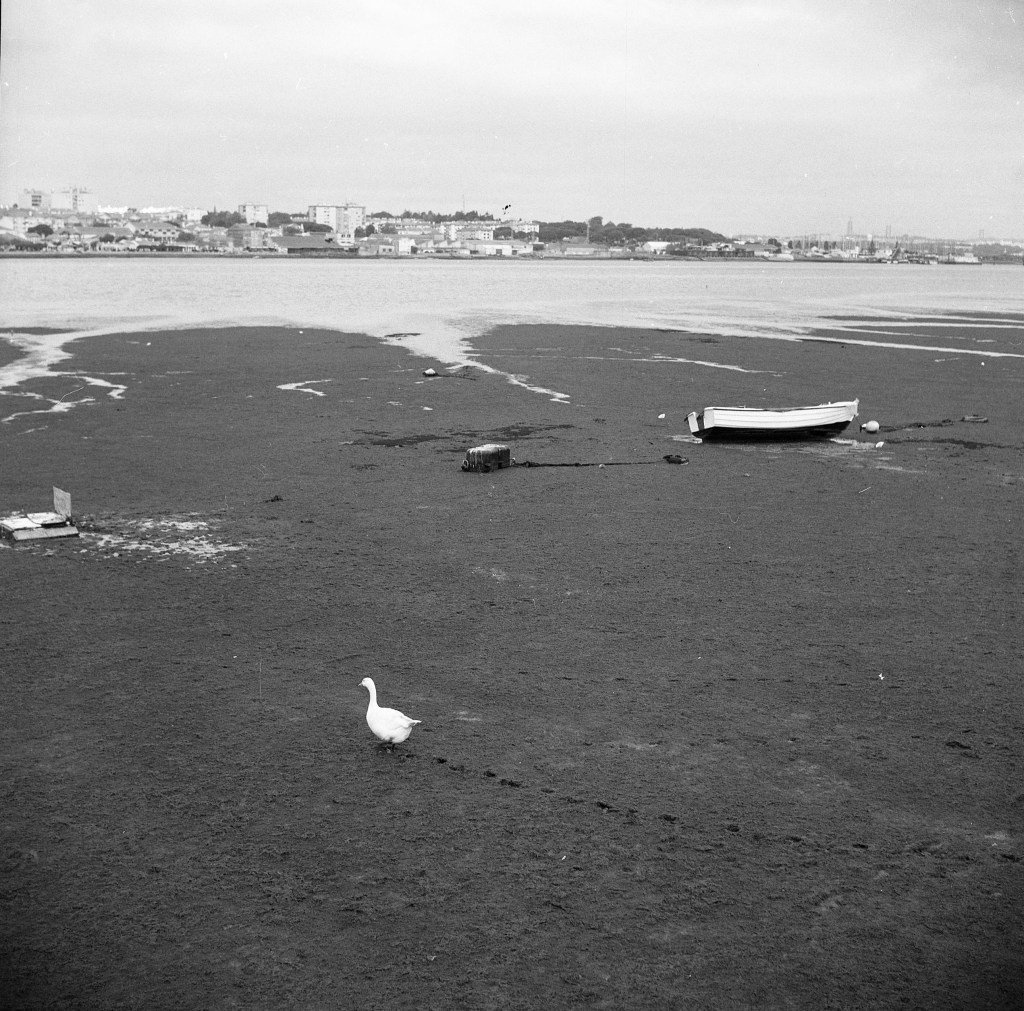
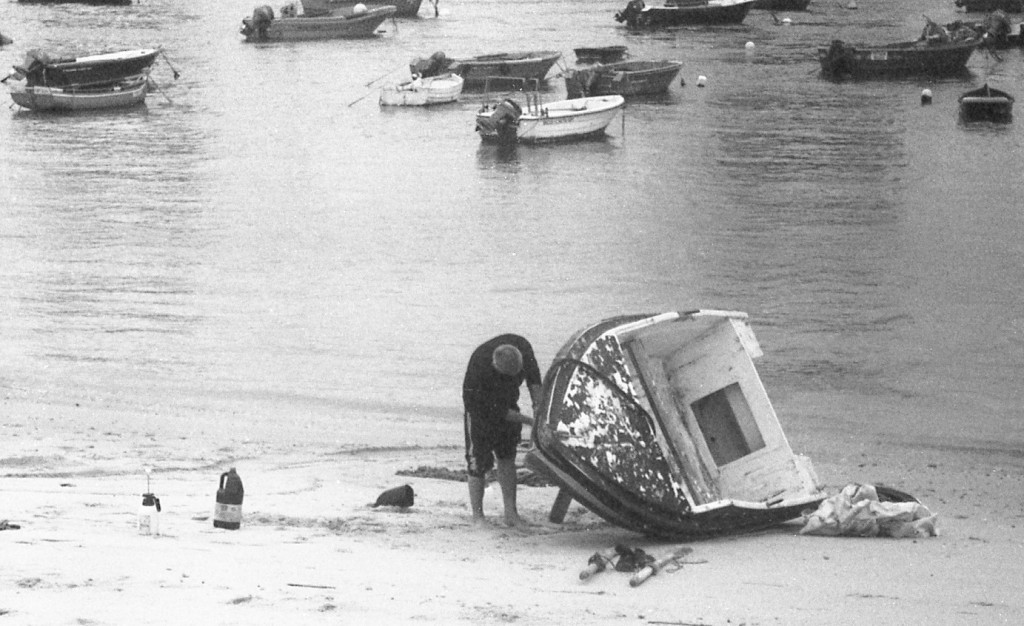
A walk yesterday along the south bank of the Tagus, on a calm morning with gray skies and little sun. Low tide leaves large areas of mud along the shore, covered in green slime. On the muddy surface an old fisherman is making repairs on his boat, probably as old as he is. Further ahead, a goose walks proudly, dominating his territory.
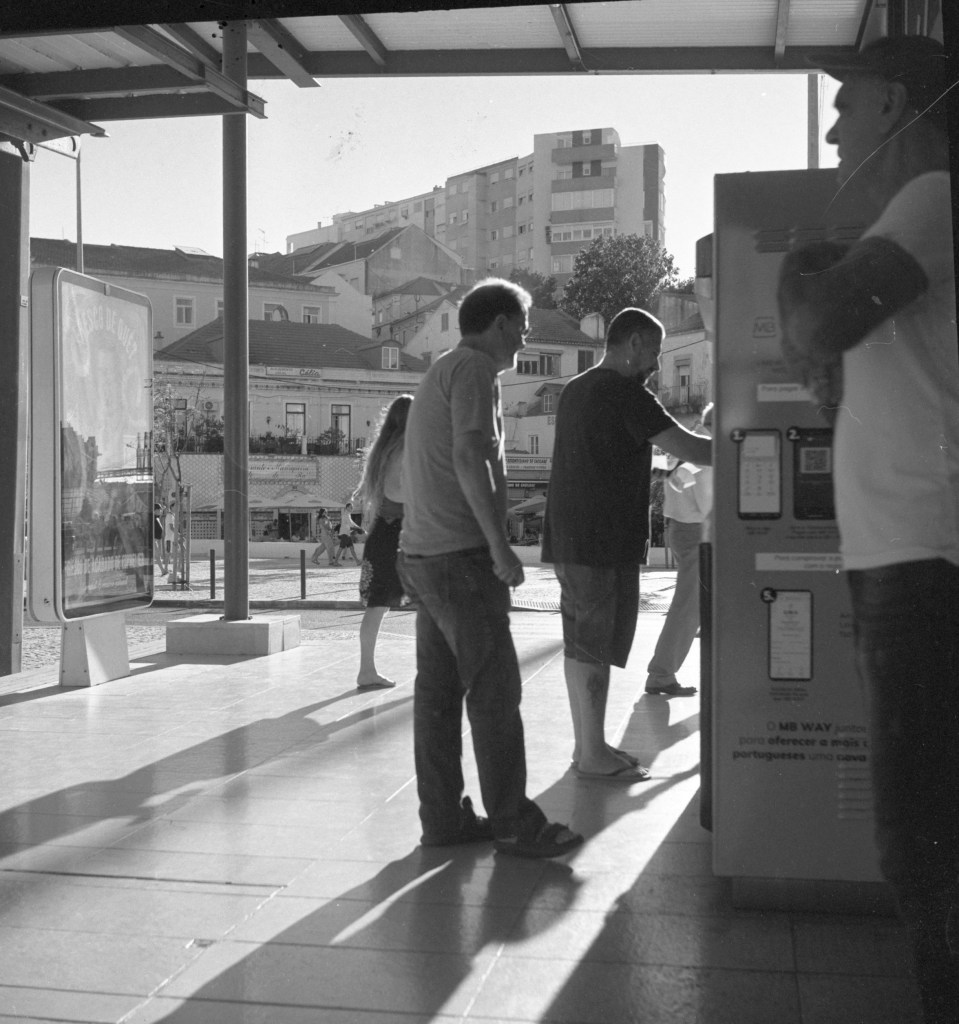
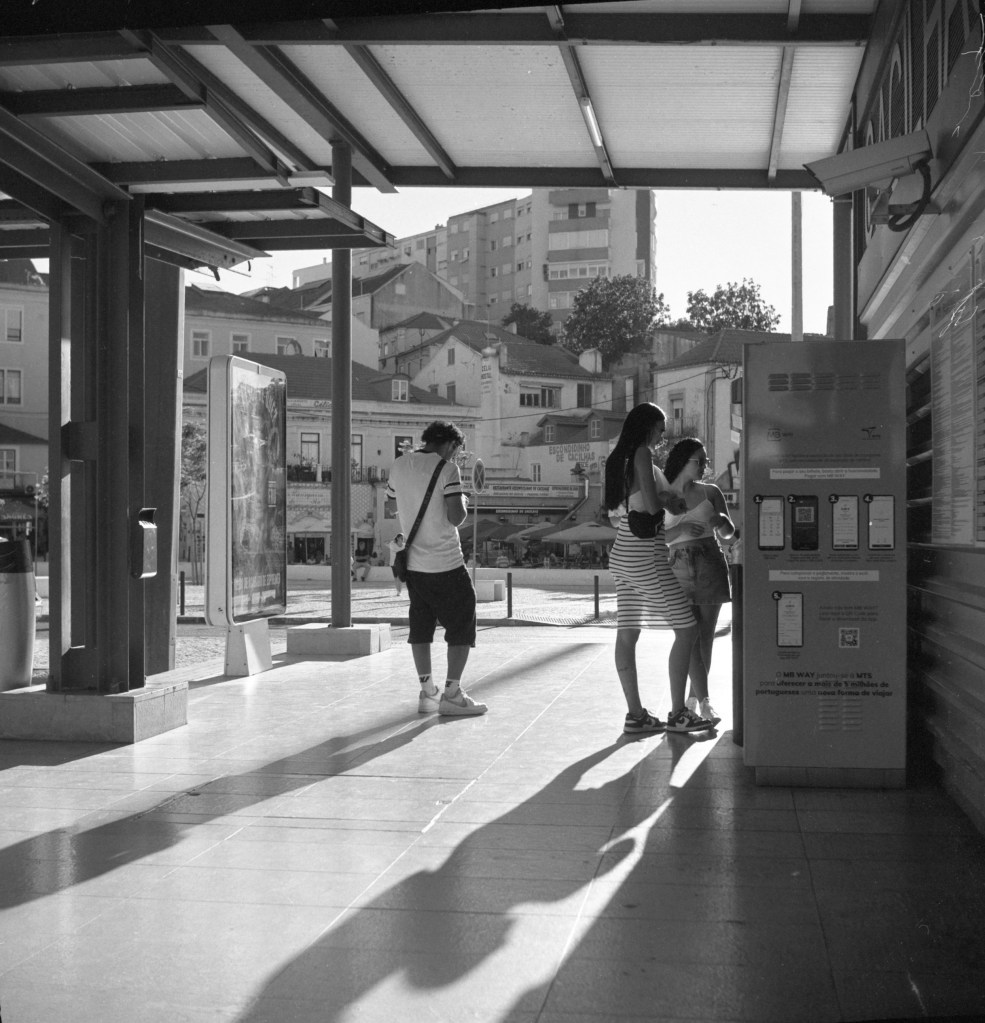
The magnificent sunlight after 5:00 PM. Two scenes near a ticket machine for a sub-urban train. The second photo reminded me of a song from the sixties by the Beatles “Ticket to Ride”
Another trip along the Tagus, with a Zorki-1 camera, an Industar-22 manual lens and a roll of Eastman plus-X (the camera, the lens and the film have been out of production for years). Old stuff, but it works.
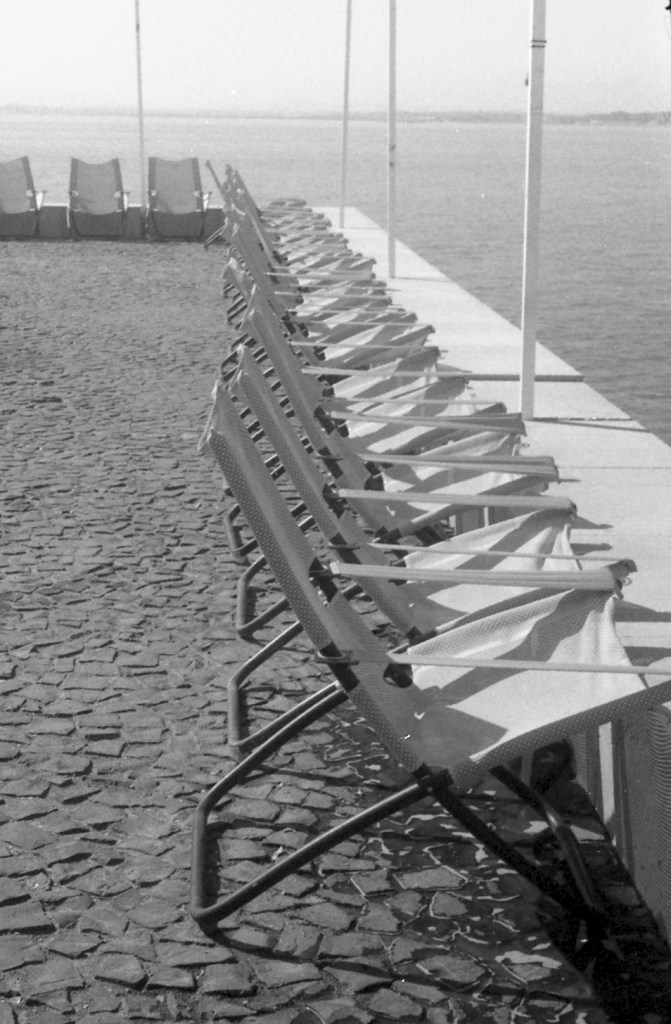
Living next to the river makes us familiar with it, but it ends up becoming a banal presence for many people. We can contemplate it, run along the shore or, simply, turn our backs on it, ignoring it.
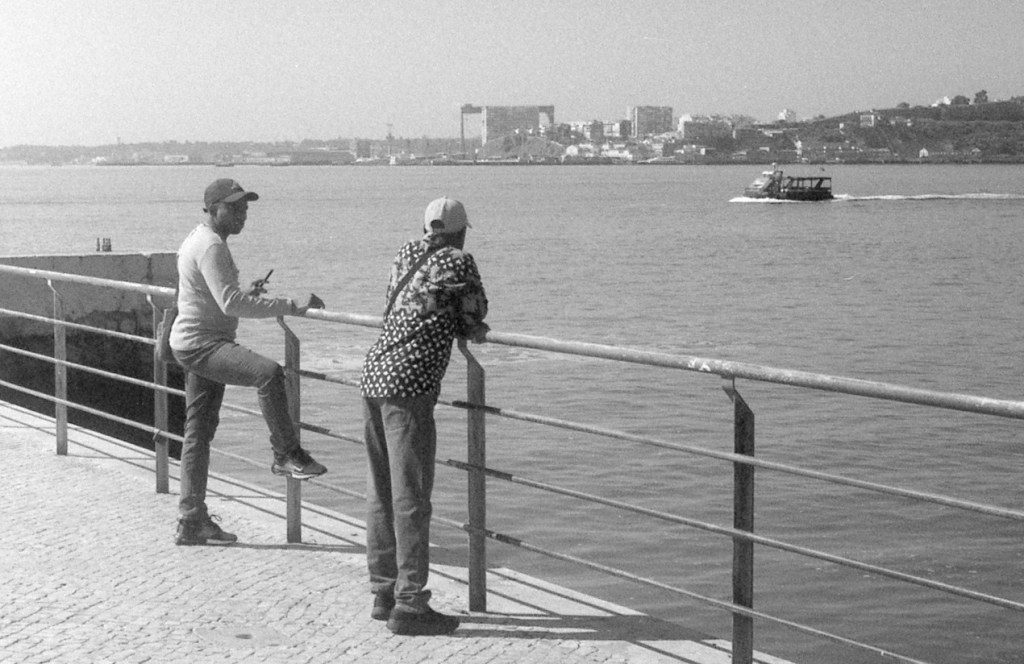
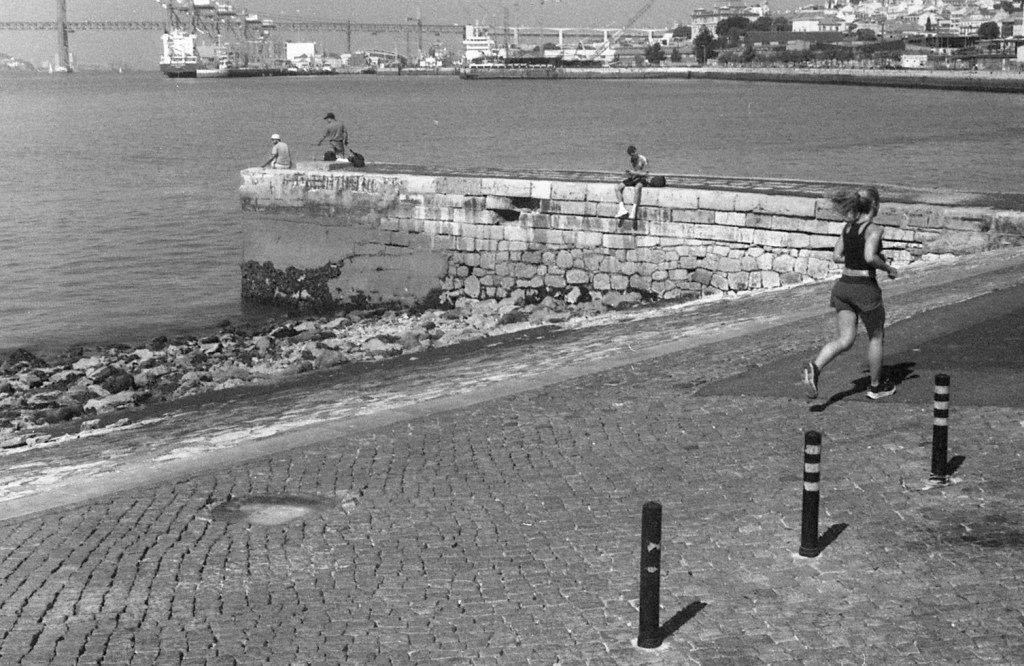
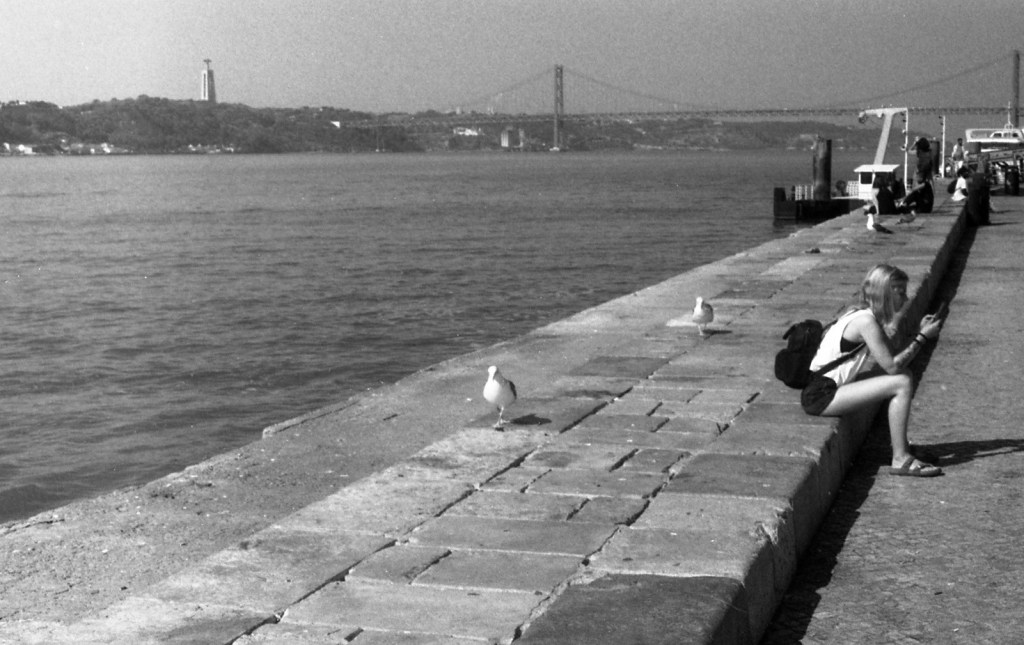
Or not even use the chairs that allow us to so easily look at it.
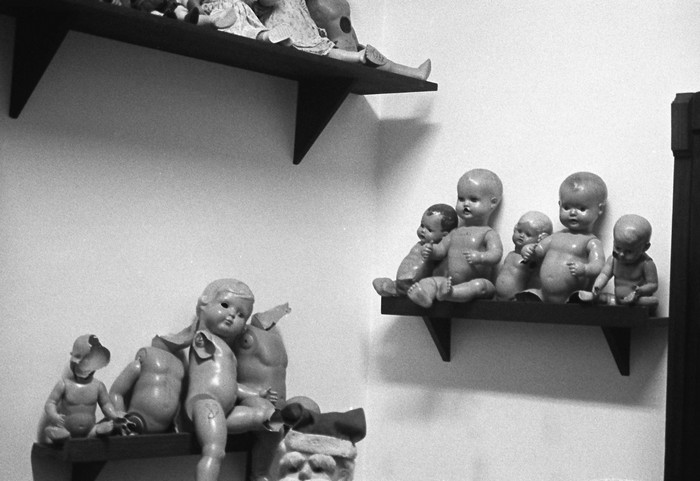
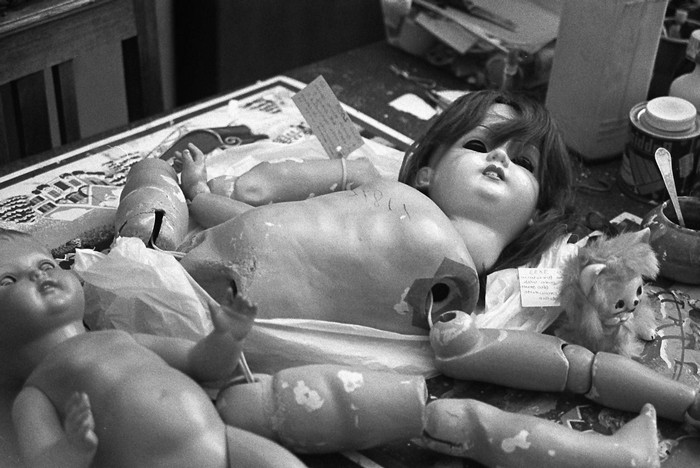
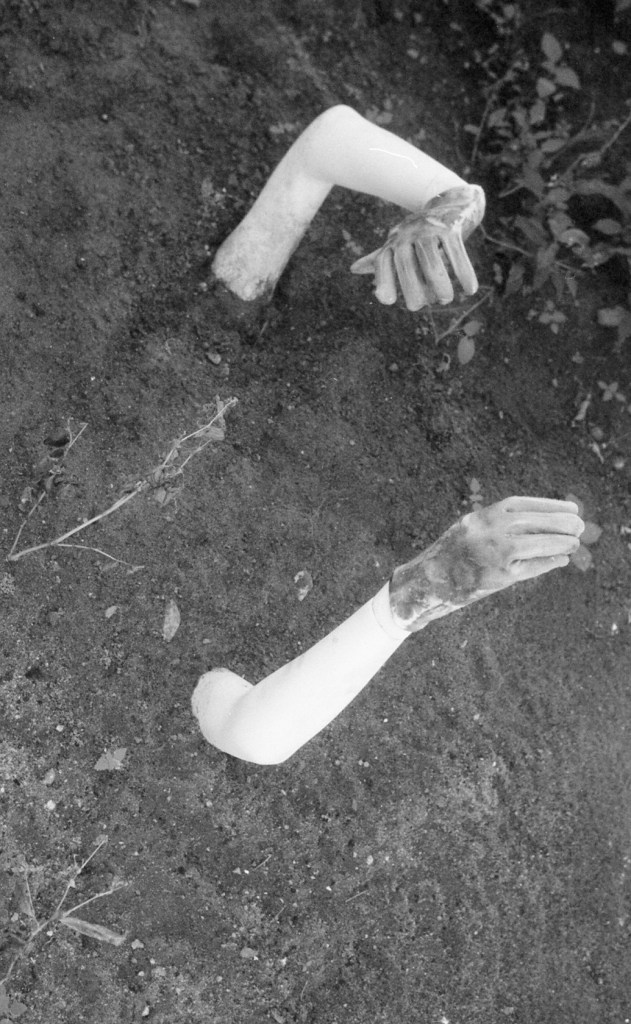
In downtown Lisbon there is a a Doll's Hospital were some experts repair and restore collectible dolls, some of them highly priced. A visit to the premises is somehow creepy, the dolls are always associated with small children and seeing their parts spreaded around is quite impressive.

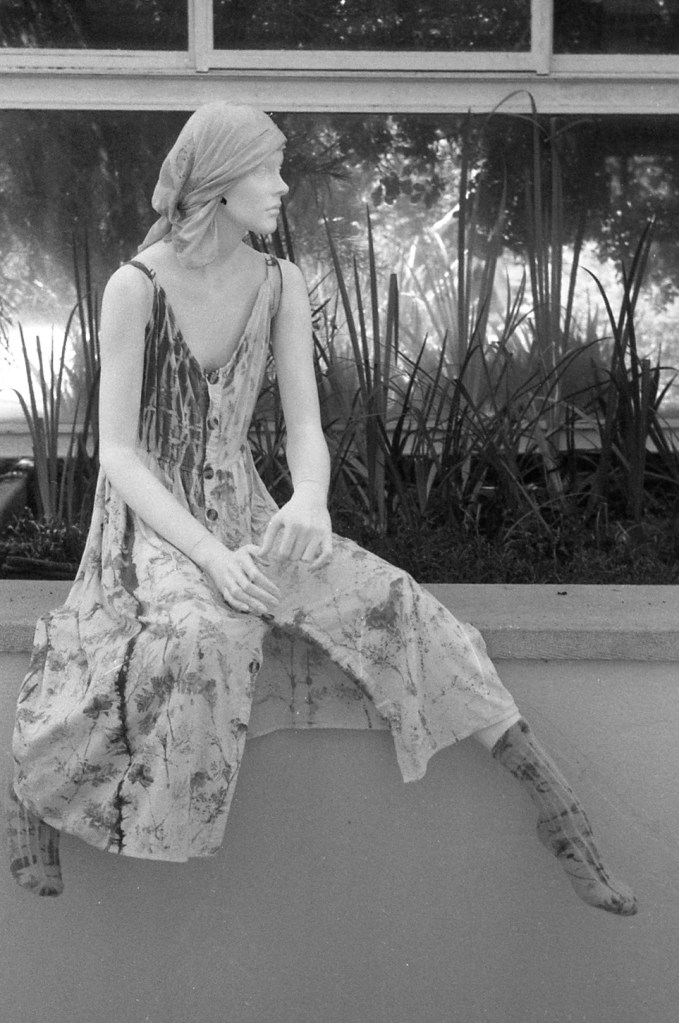
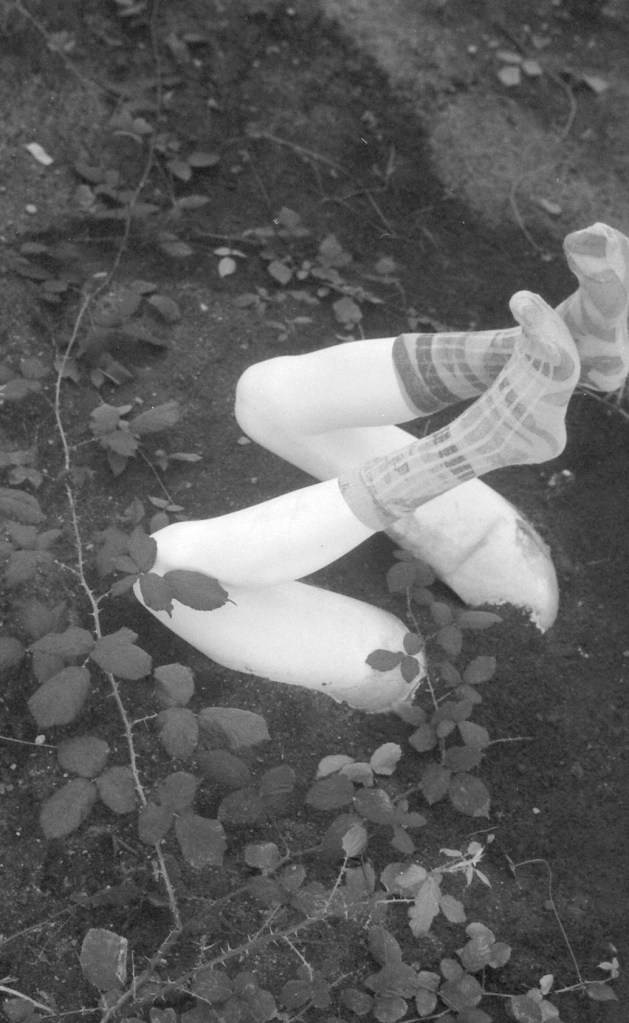
At Art’s Garden, an exhibition of fabric decoration made from plant leaves and stems, using the natural properties of plants to leave marks on the texture of the fabrics. Some mannequins, or their parts, helped to compose the set. A few of them called my attention.
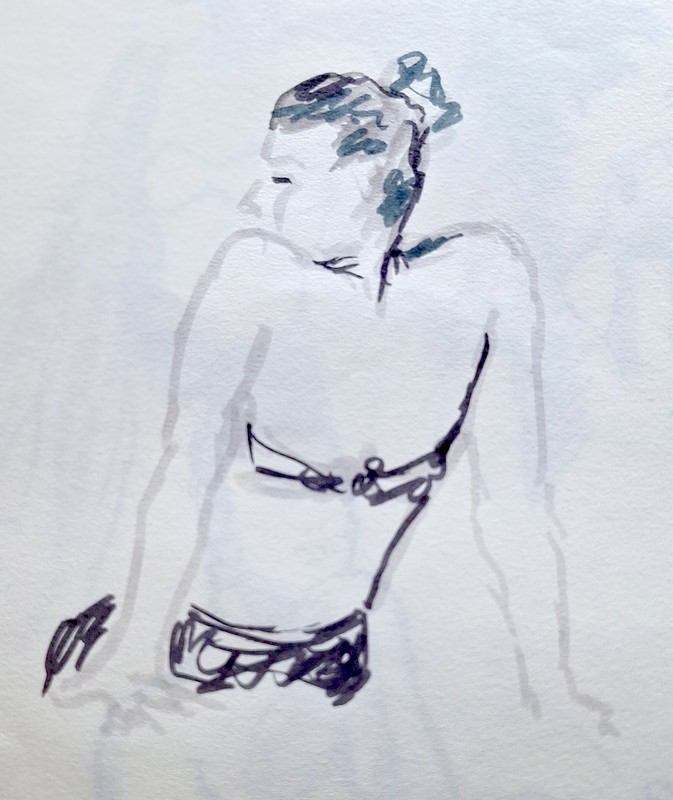
Some more sketches from a recent live model drawing session

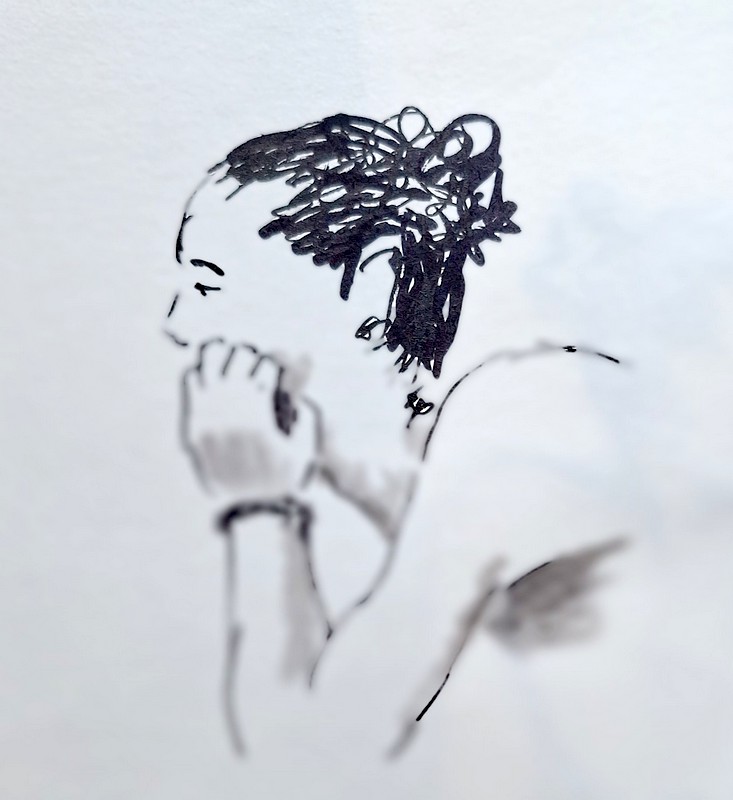
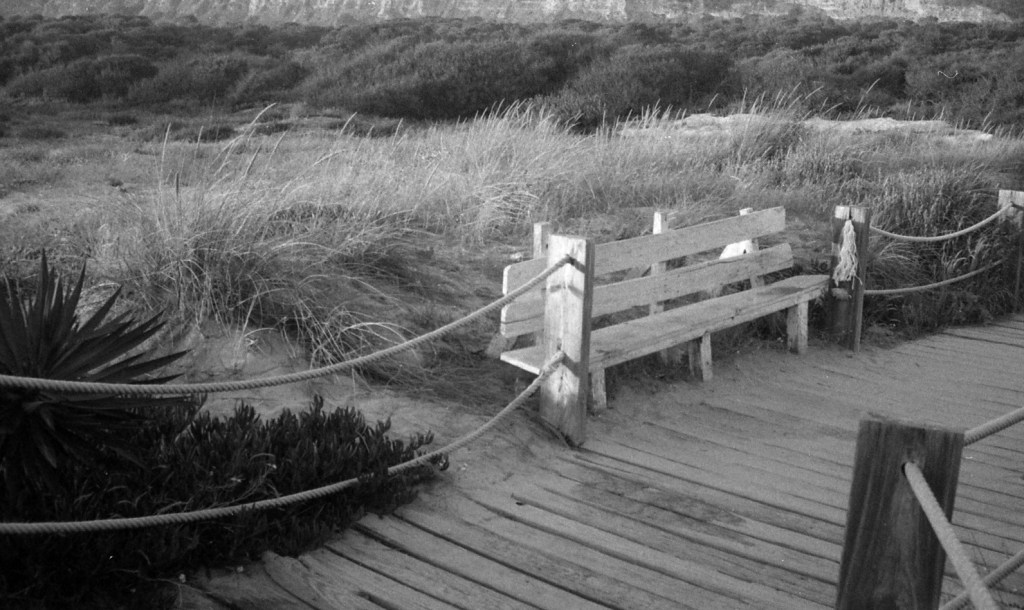
And a beach bench at sunset – it lacks a model sitting there
Saturday afternoon, South bank of the Tagus. People gather there to meet, eat and drink.
Some people prefer to be left alone. A moment of rest to settle ideas and feelings

Others choose to dance. A group of friends, or more probably an informal dancing class. They bring their own music and dance in pairs. One of them directs the others, giving instructions before each music sometimes correcting their movements. They seem to take this quite seriously – but they share and communicate a lot of joy.


Some people make and play their own music…

… while others sit and talk, probably about the good old times

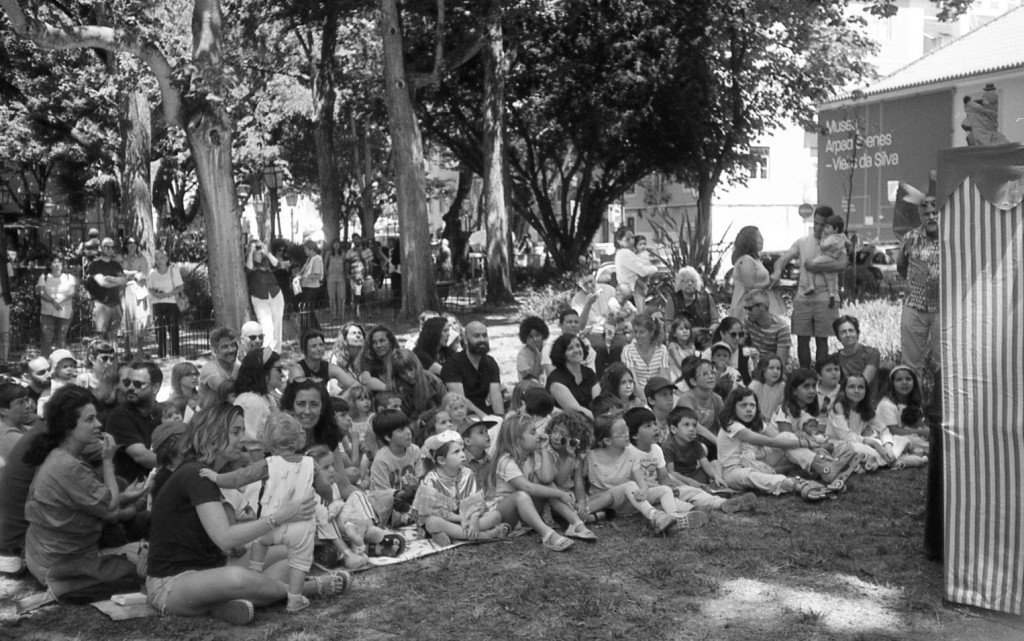
June 13th was Lisbon’s municipal holiday – and that day coincides with the date of birth of the painter Maria Helena Vieira da Silva (1908-1992). There was a celebration at the Arpad Szenes-Vieira da Silva museum and in Amoreiras Garden, in front of the museum. As I passed by I noticed a group of children watching a puppet show.
It’s nice to see children looking at a something alive instead of being mesmerized by a screen…
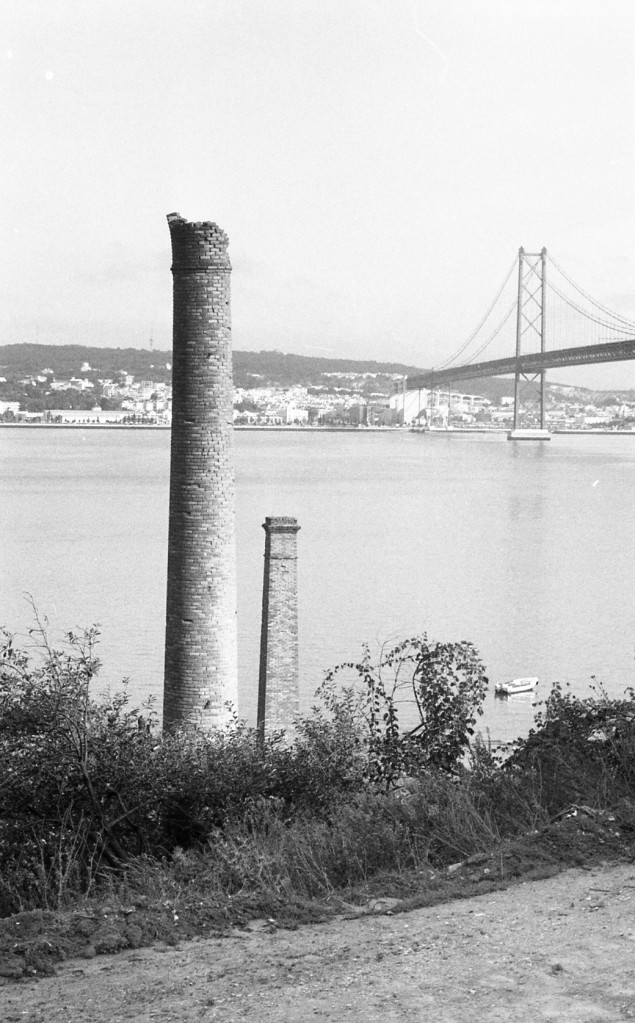
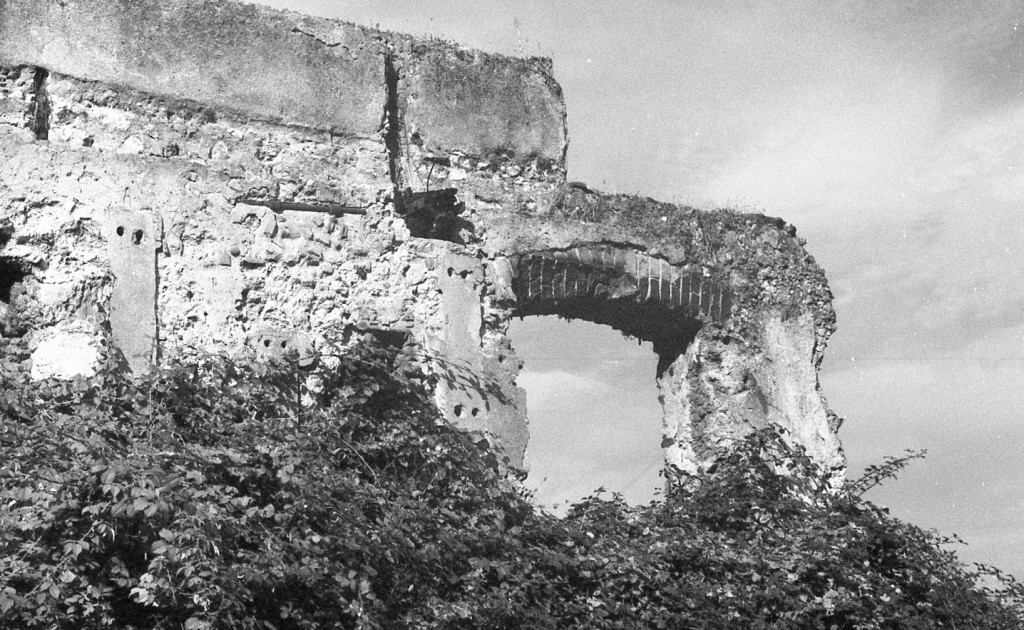
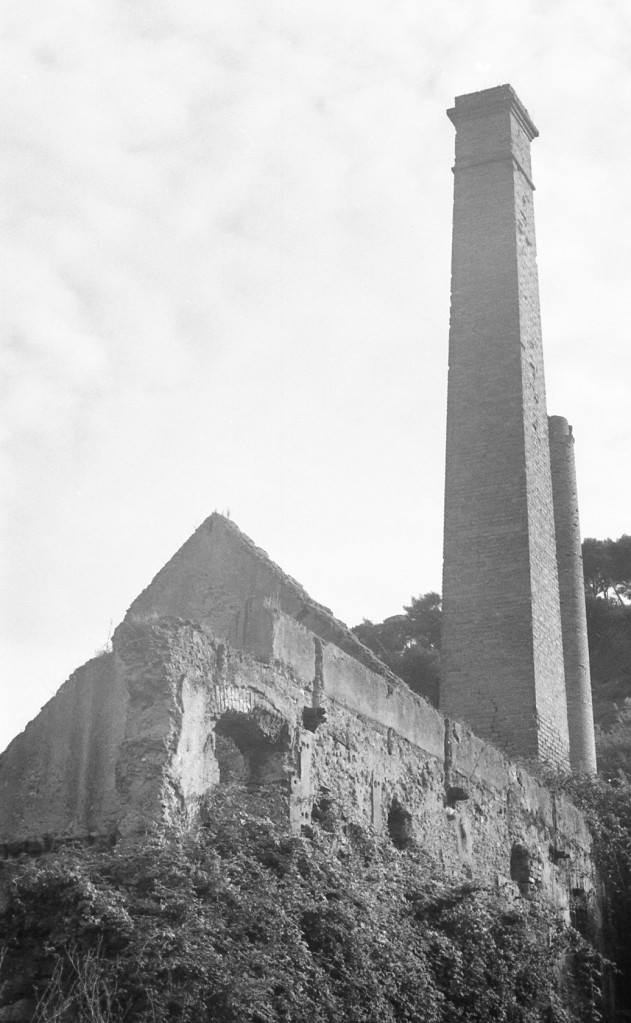
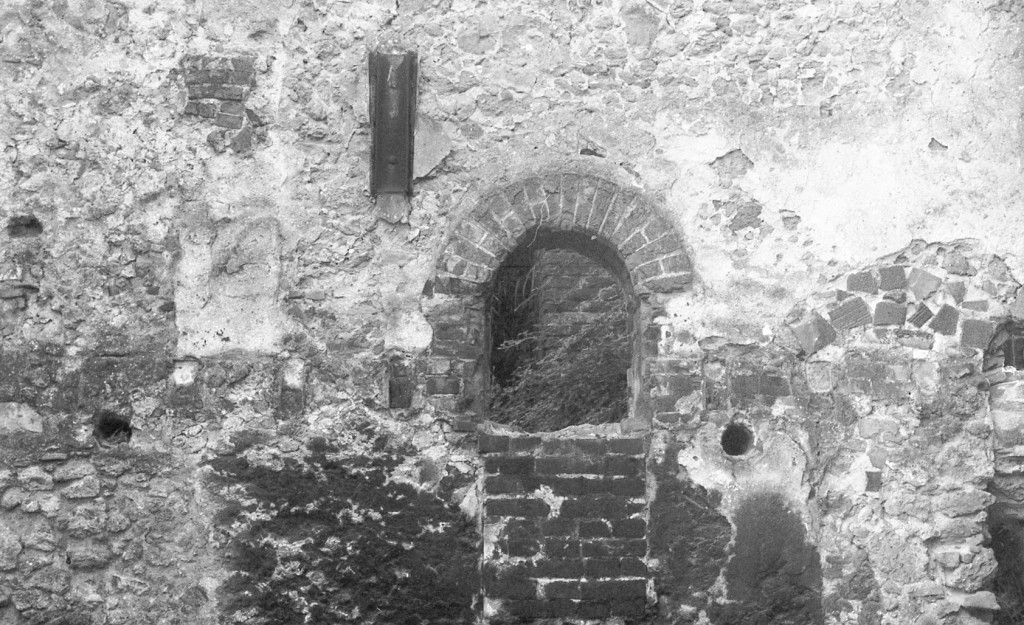
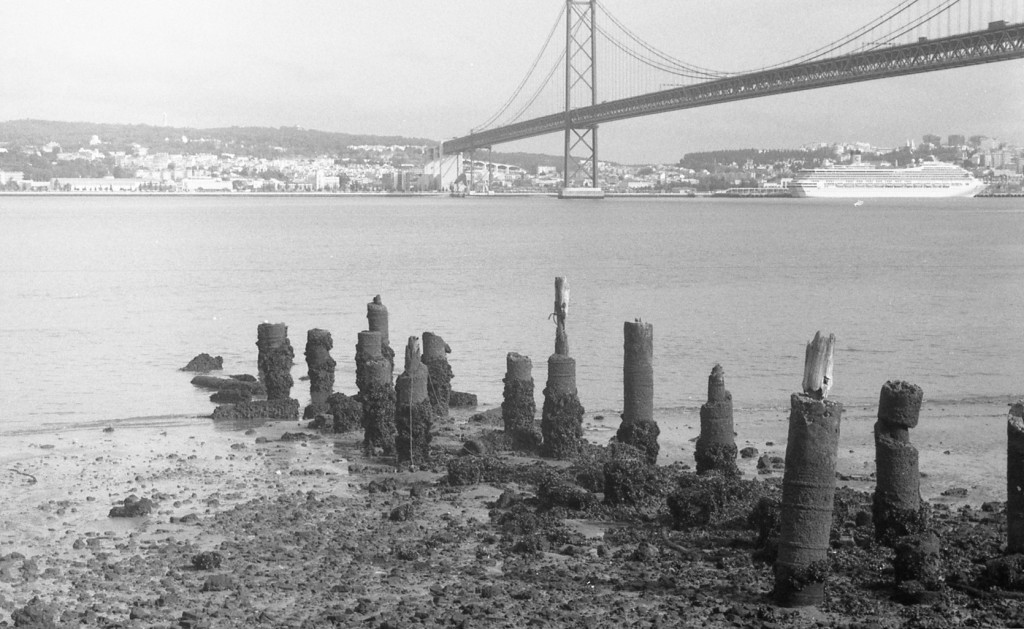
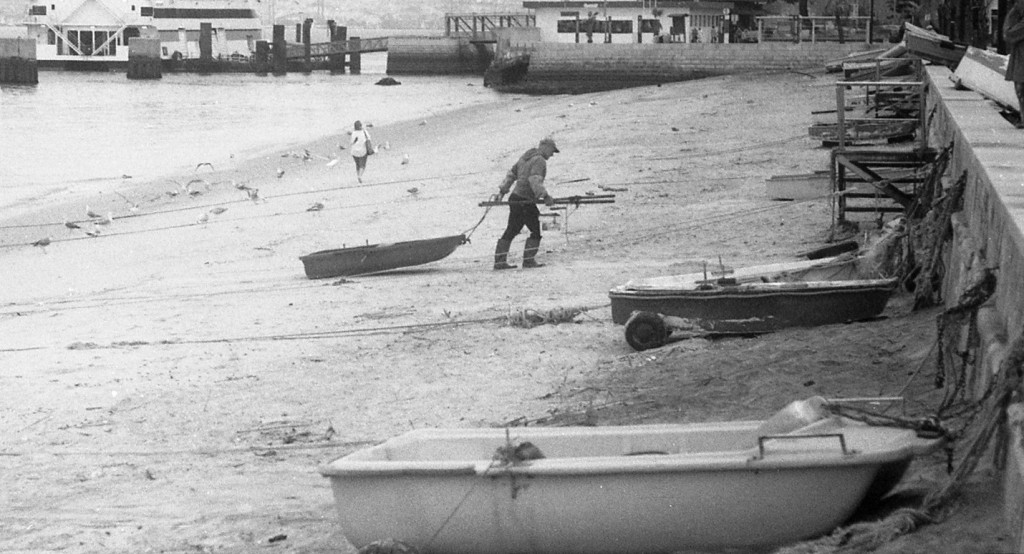
There is a small beach on the Tagus bank, between two cliffs, just west of the 25th April bridge. In the XIX century there was a soap factory there, today only its ruins remain. To get there it is necessary to take a steep path, not easy to find. At the river level we can found two chimneys, parts of the brick walls, lots of rubble and the opening of an old furnace. The place is invaded by briars and thorny wild weeds. The pillars of a former pier are still visible protruding from the water. Some fishermen take advantage of that place, they keep there a small boat and their fishing gear.
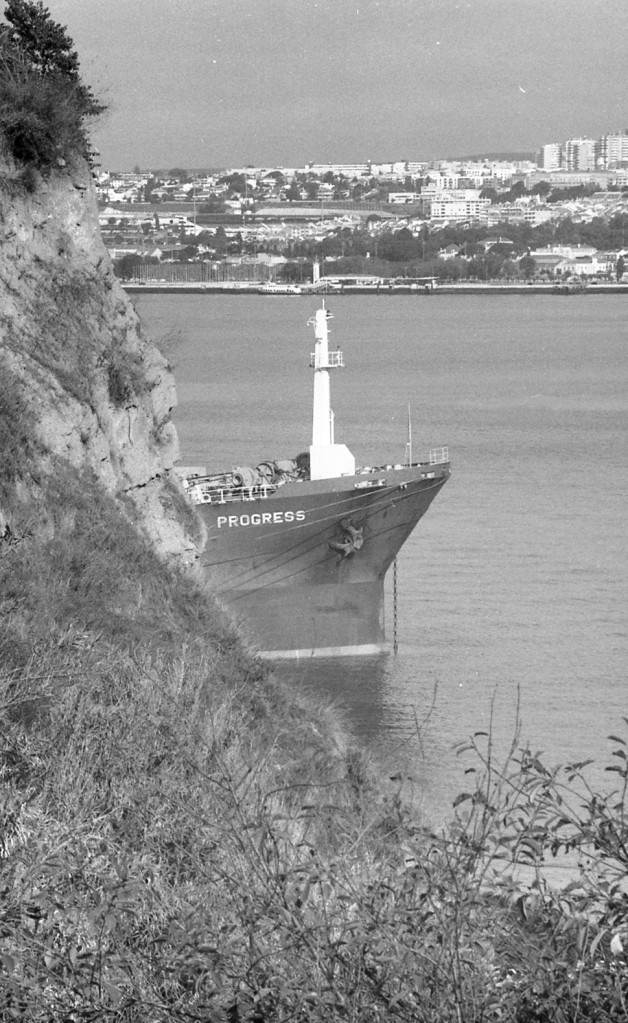
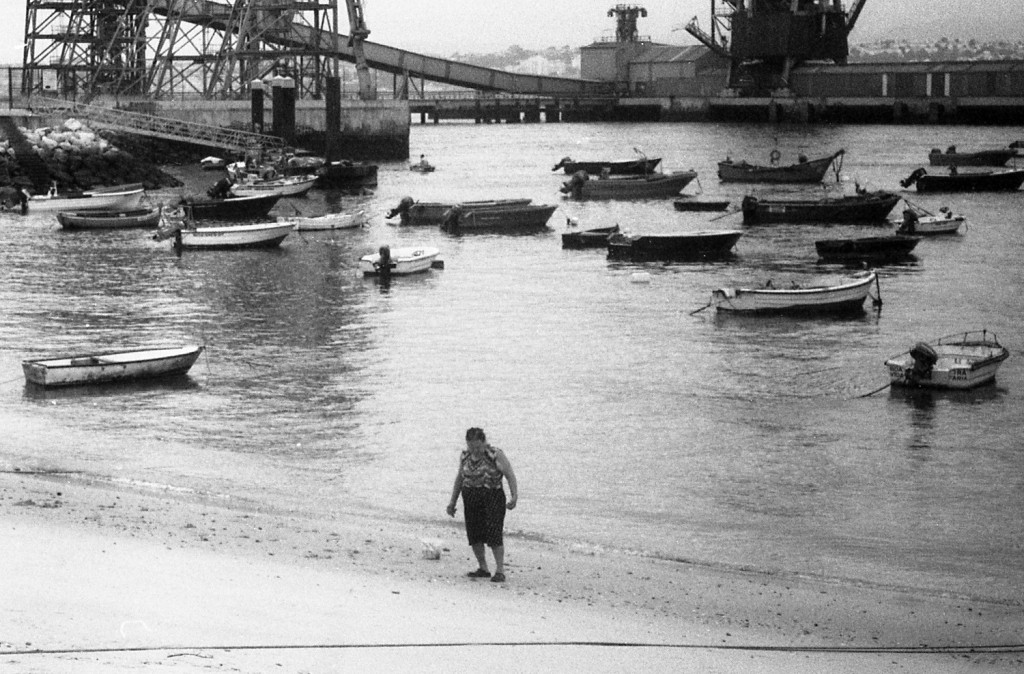
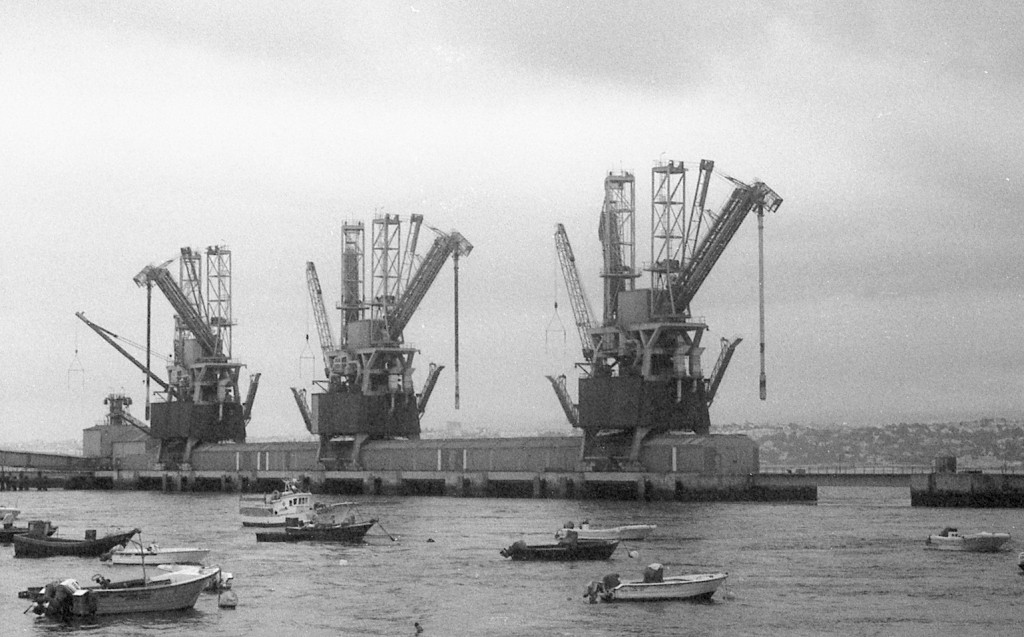
Trafaria is a small fishing harbour on the South bank of the Tagus. It is the last river port before the sea. Fishermen use small motor boats to place or bring in the nets that they leave overnight at the mouth of the river, or in the sea near the coast. There are always some of those boats arriving or leaving. A huge silo was built by the water, and big cargo ships often stop there to be loaded with grain. It is not a tourist spot but it is a pleasant place to take a meal by the river. Seafood is excellent and the restaurants, although not very sophisticated, are very popular.
Enjoying a walk in the Botanic Tropical Garden, in Lisbon, I was surprised by this unnusual statue of a woman breast-feeding an adult male.
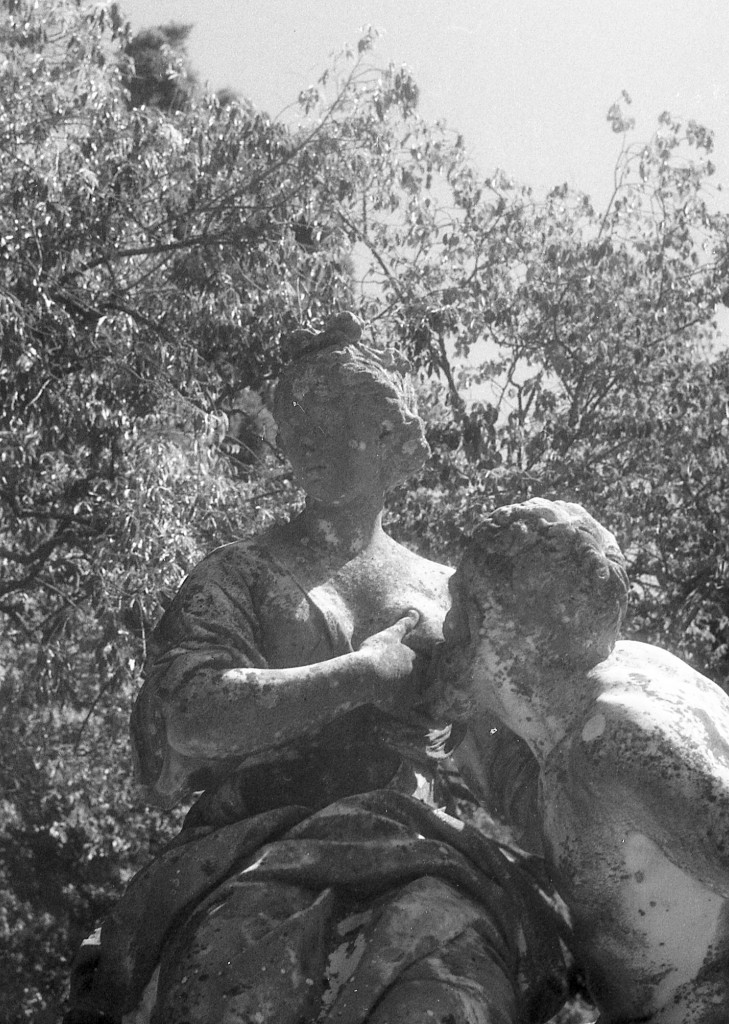
I looked for information about this sculpture. This baroque statue was made in Rome by Bernardino Ludovici in 1737, and brought to Lisbon by king Joao V. “Roman charity” is a classical greco-roman theme, and it is based on the story of a woman trying to save her own father, condemned to death by starvation, by secretly breast-feeding him.
As you can imagine, a variety of interpretations of this subject can be found, some of them very creative…
A variety of scenarios in the banks of the Tagus
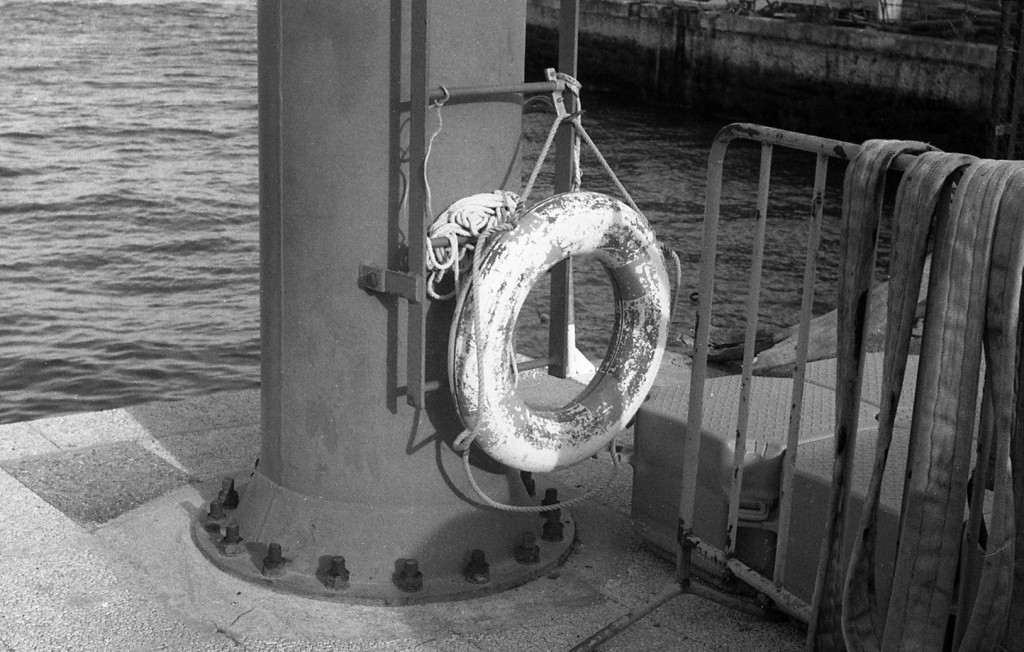
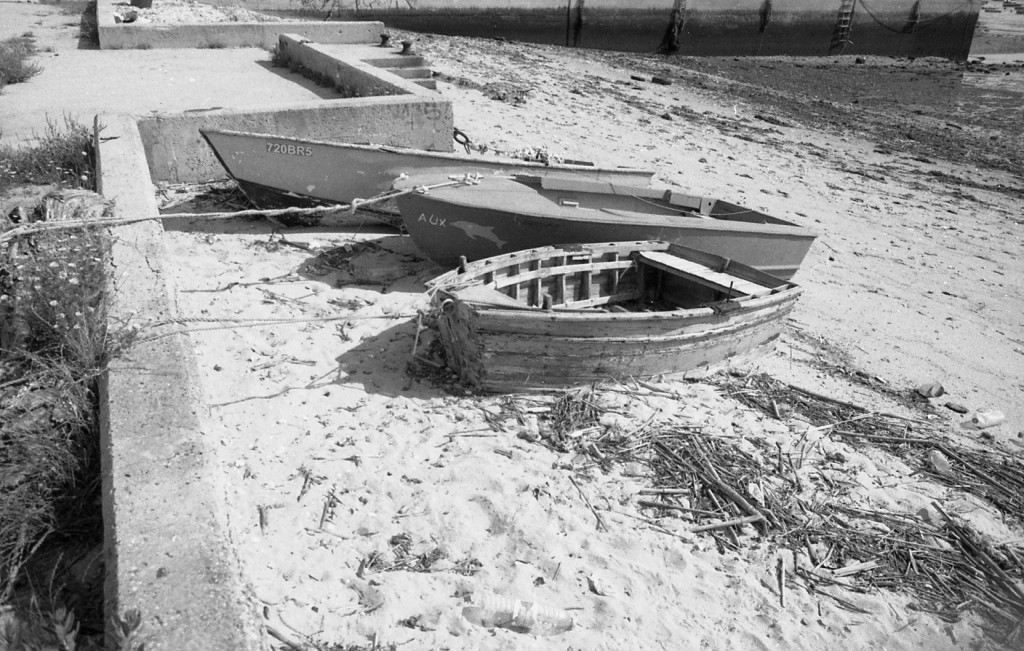
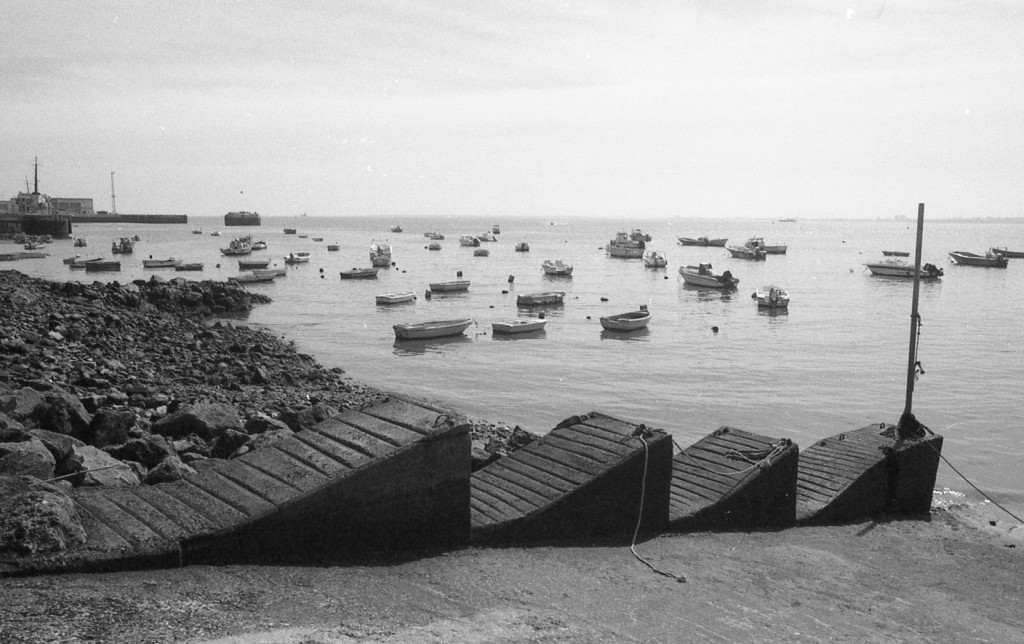
My submitted six photos were accepted for the exhibition currently taking place. The subject was “Freedom”. Here they are
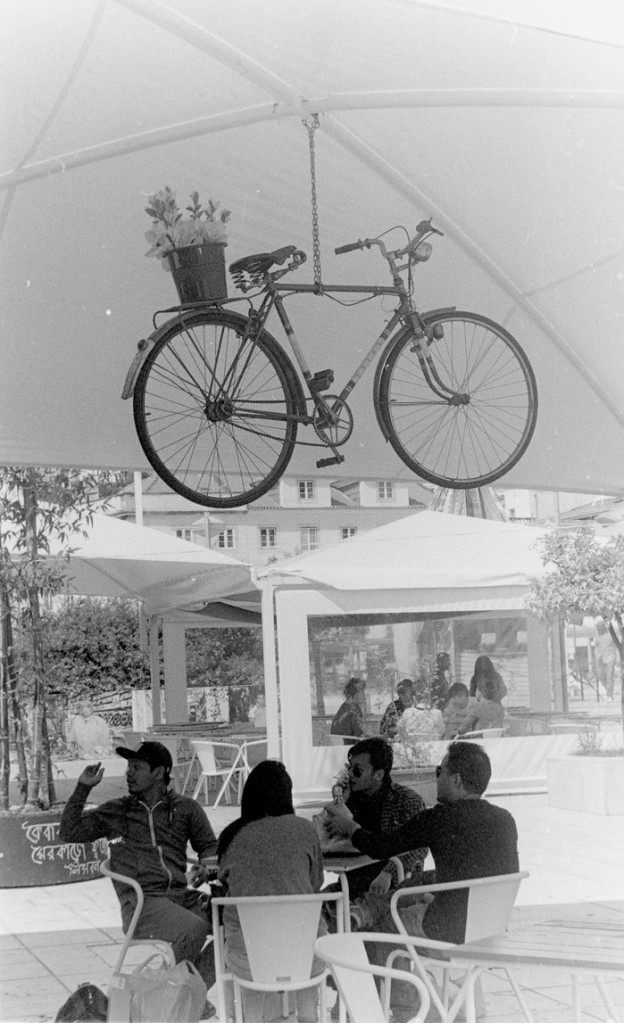
Two groups of friends, with a peaceful river or a flying bicycle
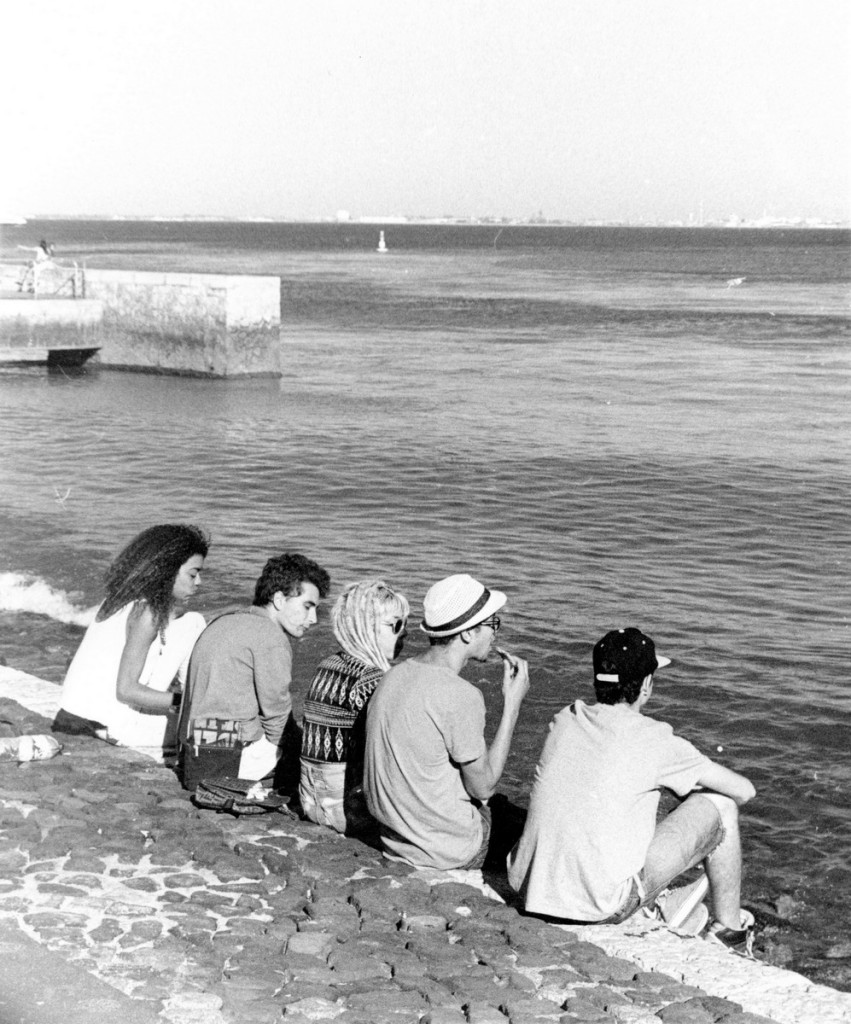
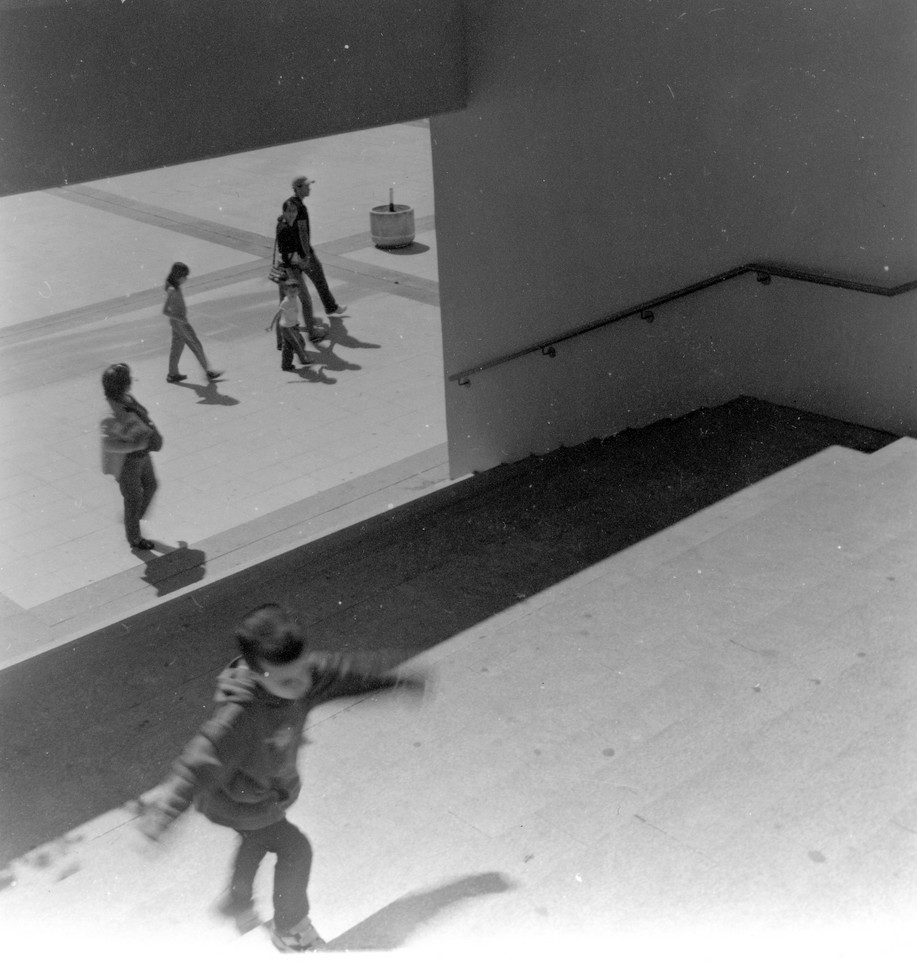
A boy trying to run from his family – and to escape from the limits of the photo
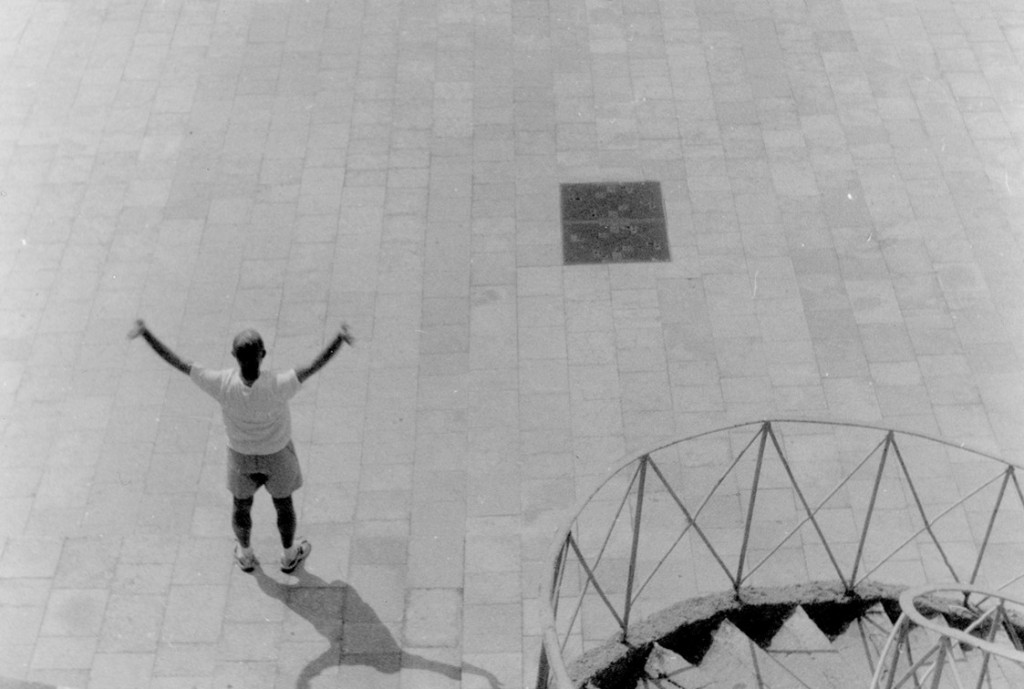
An open space to breathe – or simply to contemplate
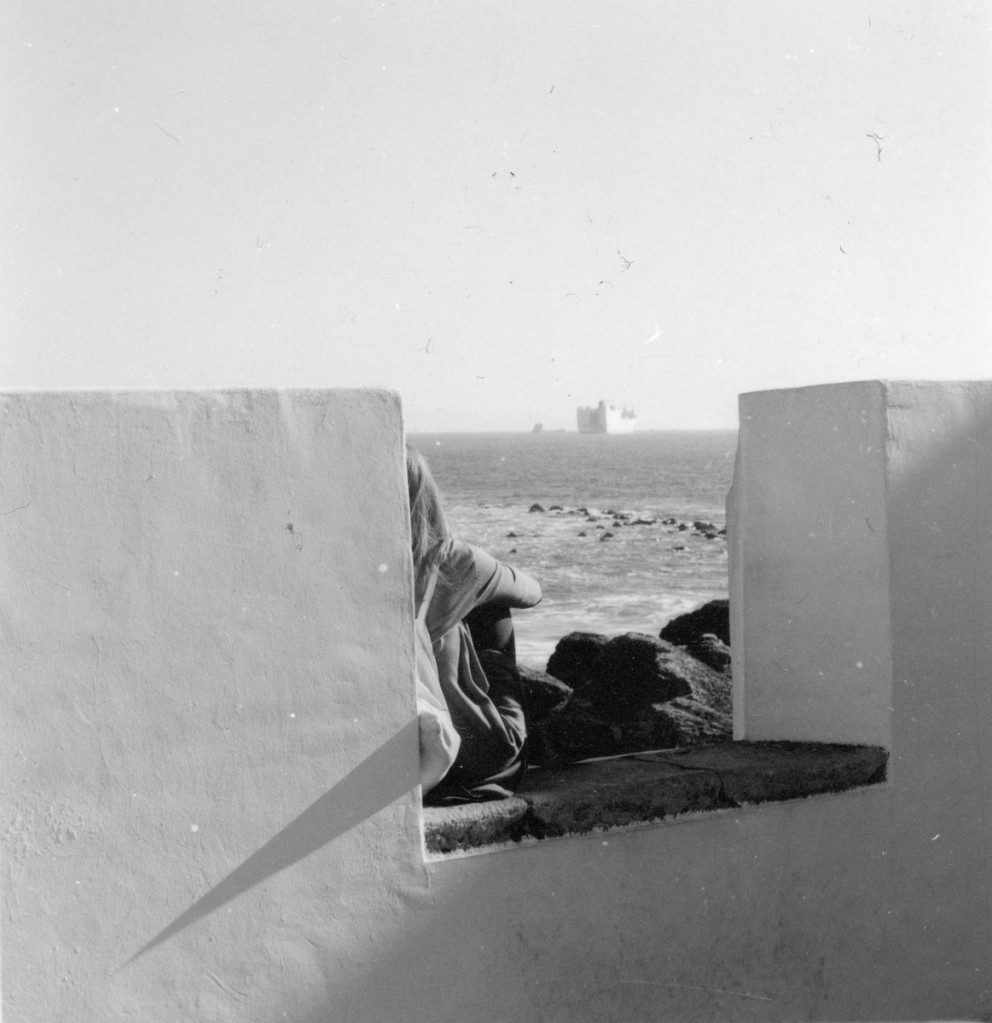
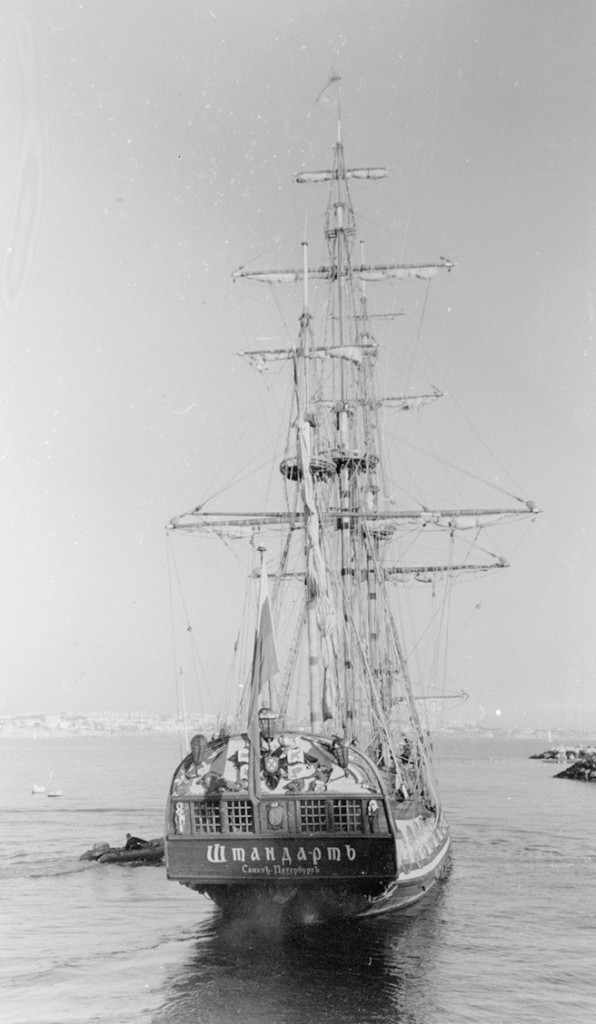
And the “Shtandart” a modern replica of an ancient Russian vessel. I was told that she is forbidden to return to St Petersburg, from where she left years ago. She is sailing around the world, teaching nautical and sailing crafts to young people. Forced freedom, to some extent, not being allowed to return home…
 João Avelar images