Ruins – the Casle and the Convent

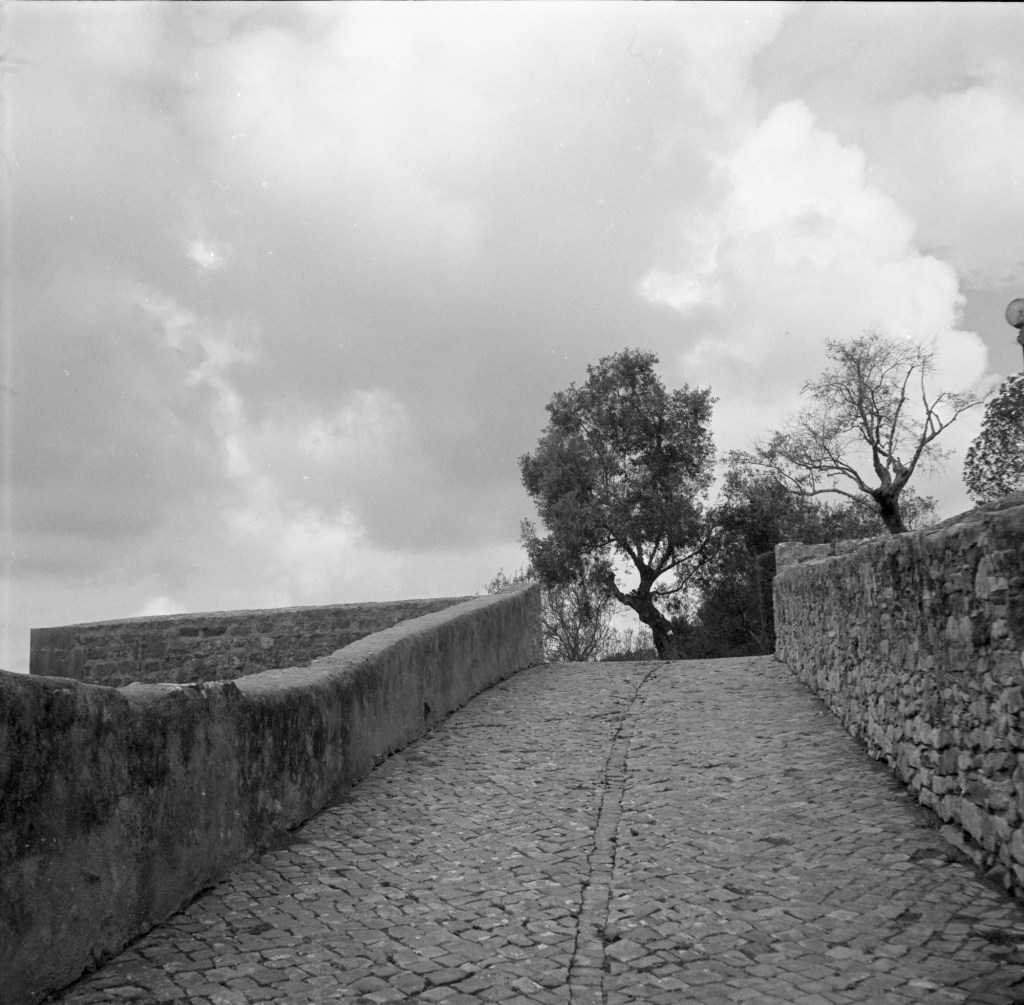
The small caste of Torres Vedras, not far from Lisbon, was well worth the visit. On the top of a hill, with a nice view to the town and surronding  área. It was built in the XII century, replacing a primitive muslim fortress. The buildings inside the castle do not exist anymore, and the walls were subjected to several destructions and reconstructions – including the damages caused by the  great 1755 eartquake . A great part of the walls are still well preserved
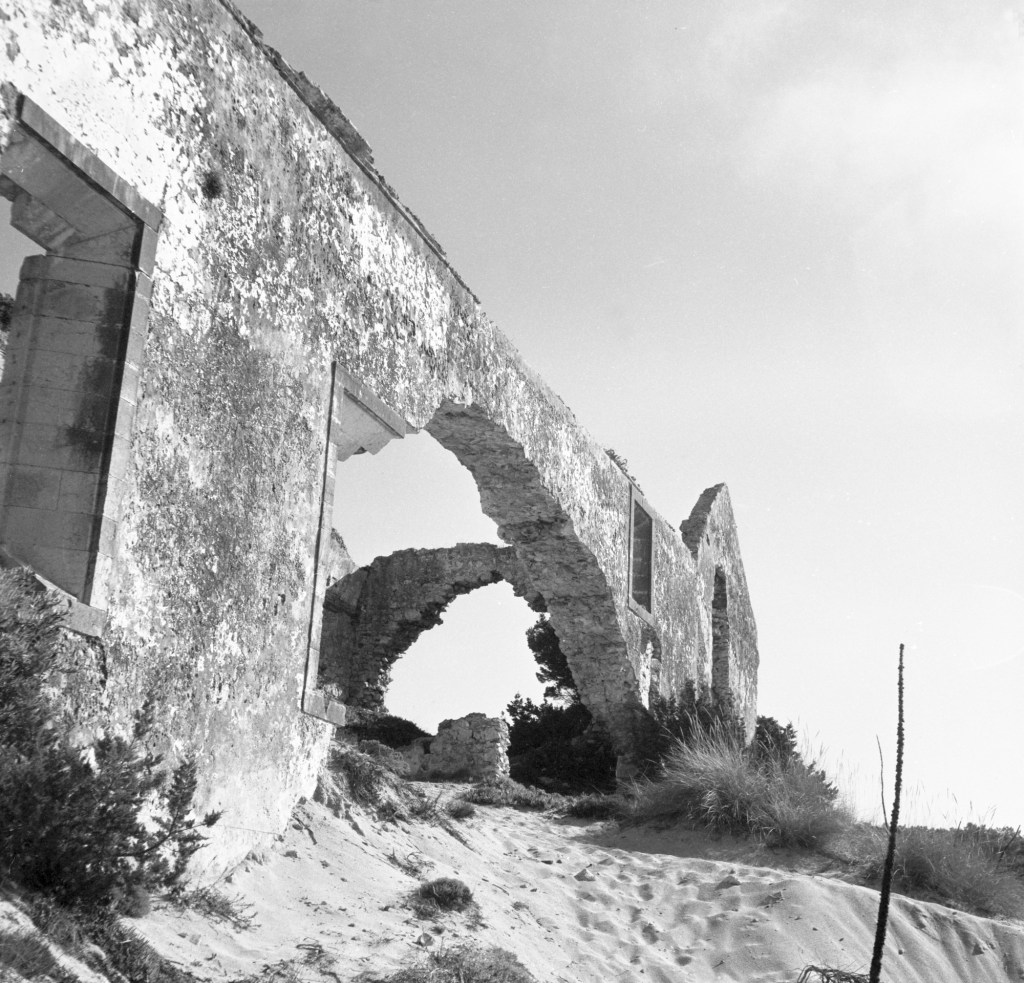
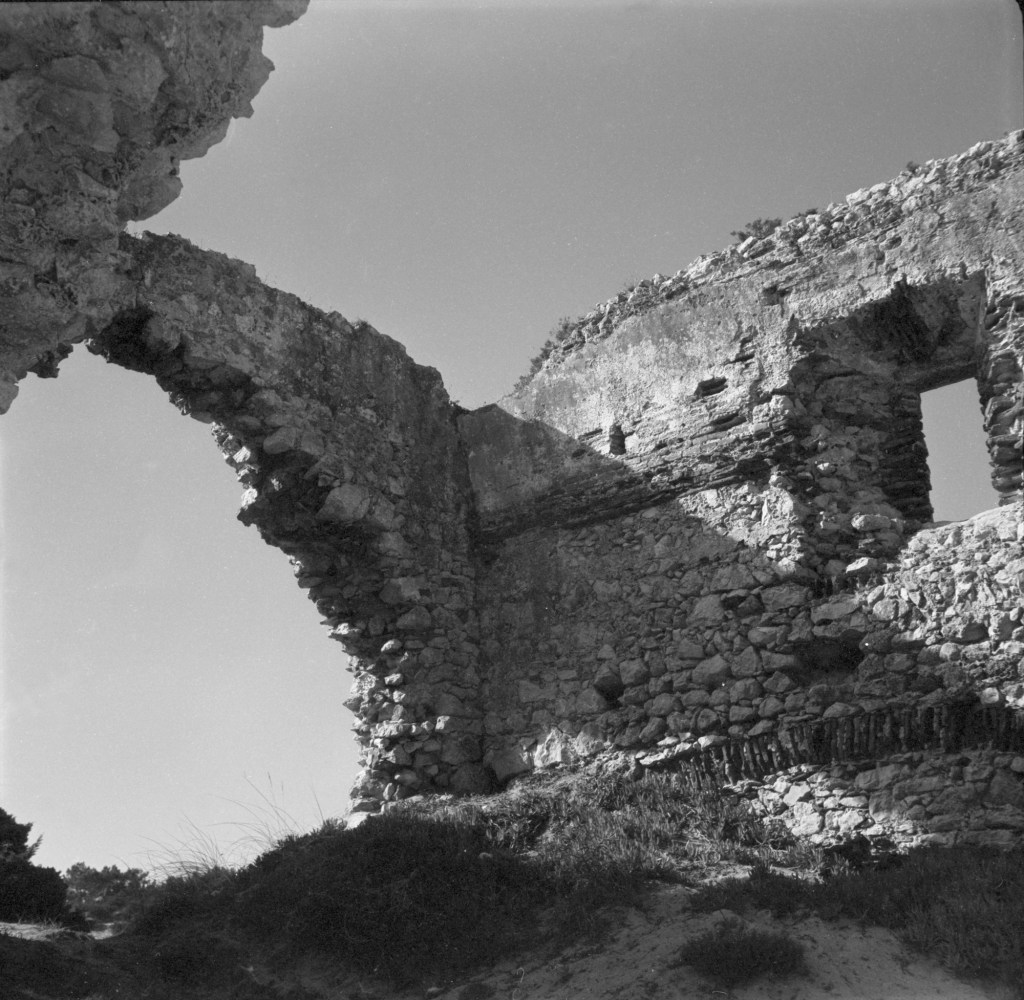
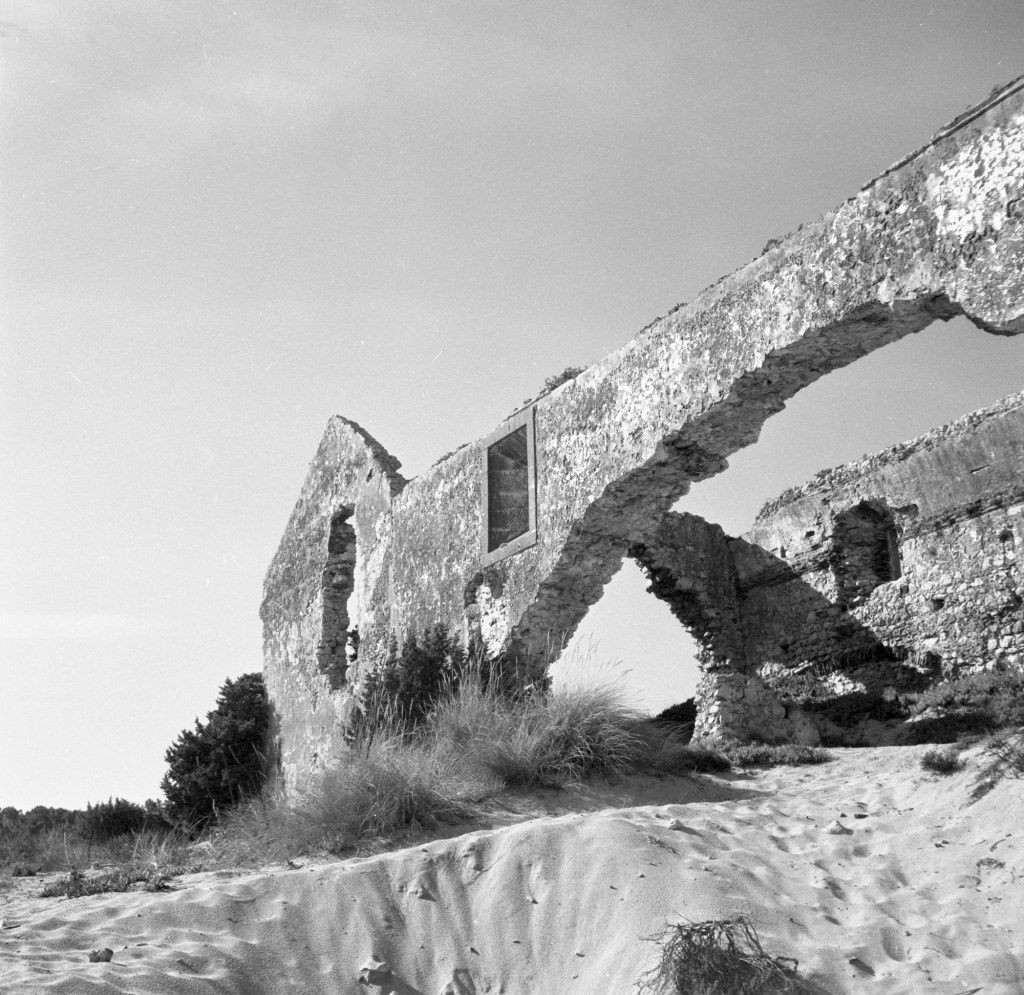
The Penafirme Convent was built in the XVI century, not far from the sea. It was destroyed by the 1755 earthquake and the ensuing tsunami. The surviving monks were displaced inland, to a new convent that still exists. The ruins of the old convent are abandoned, half covered by sand. Some arches and windows still exist, as well as the thick walls.
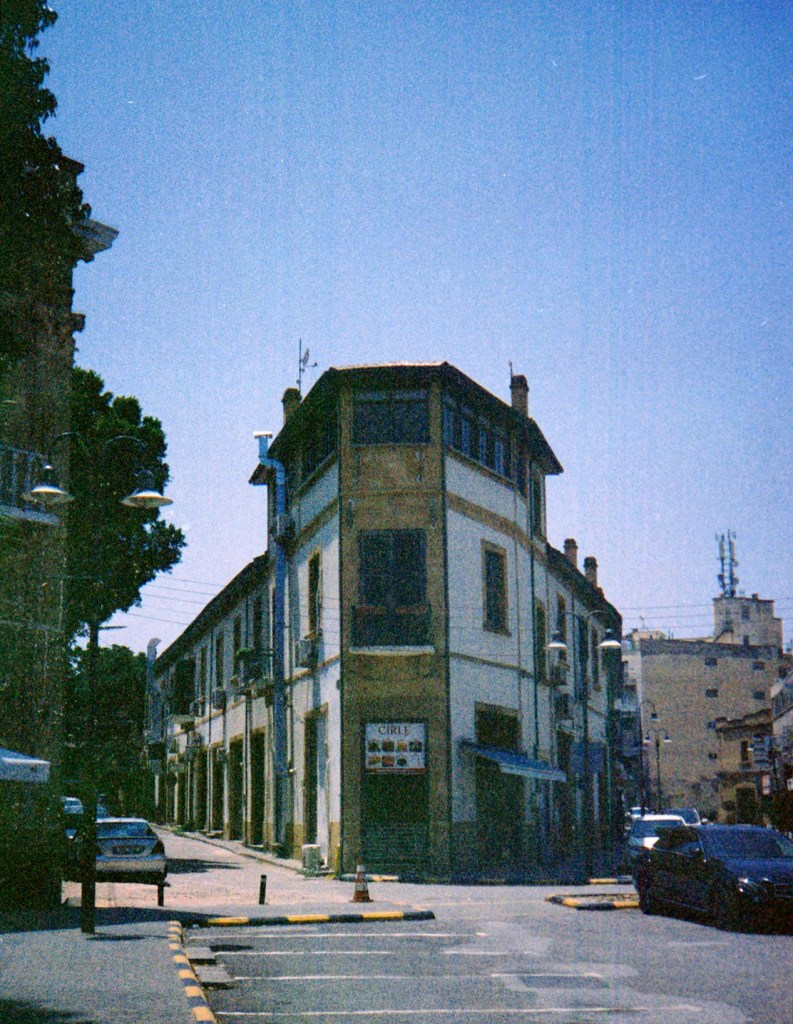
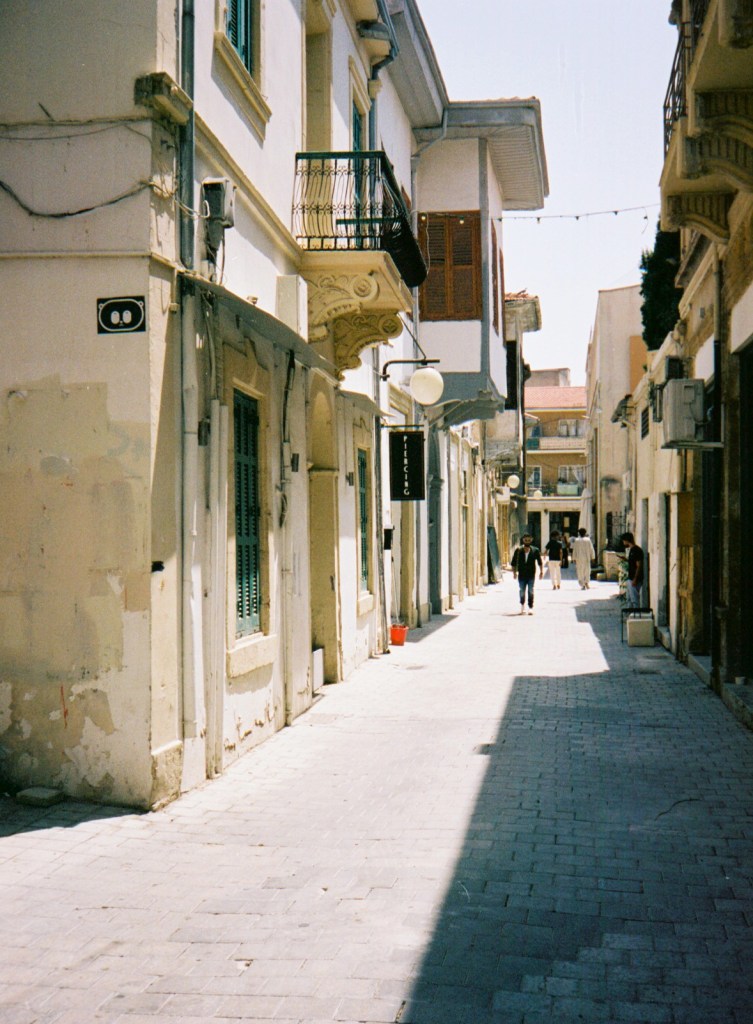
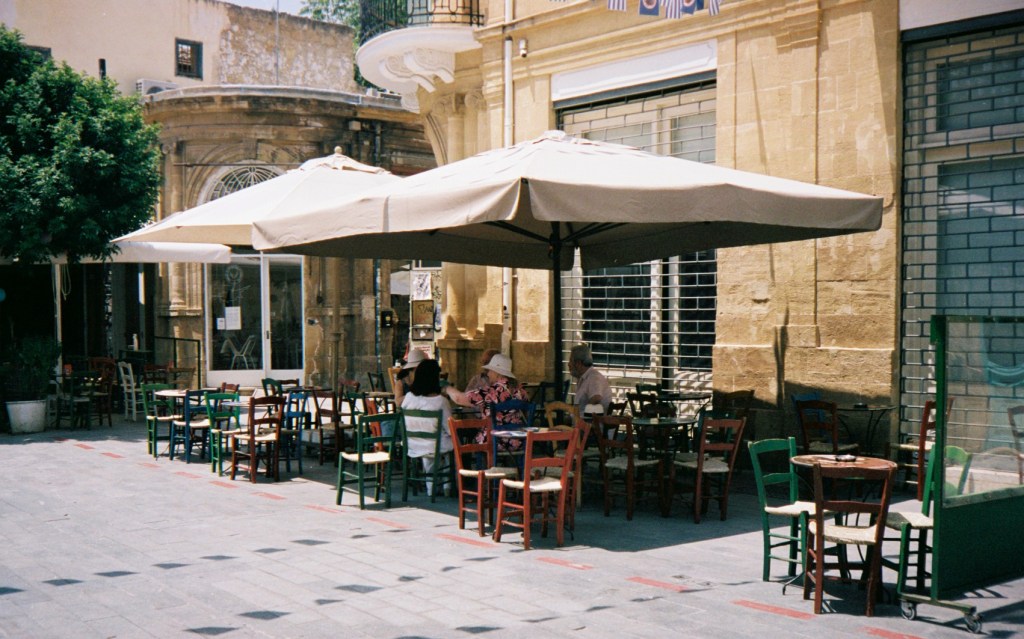
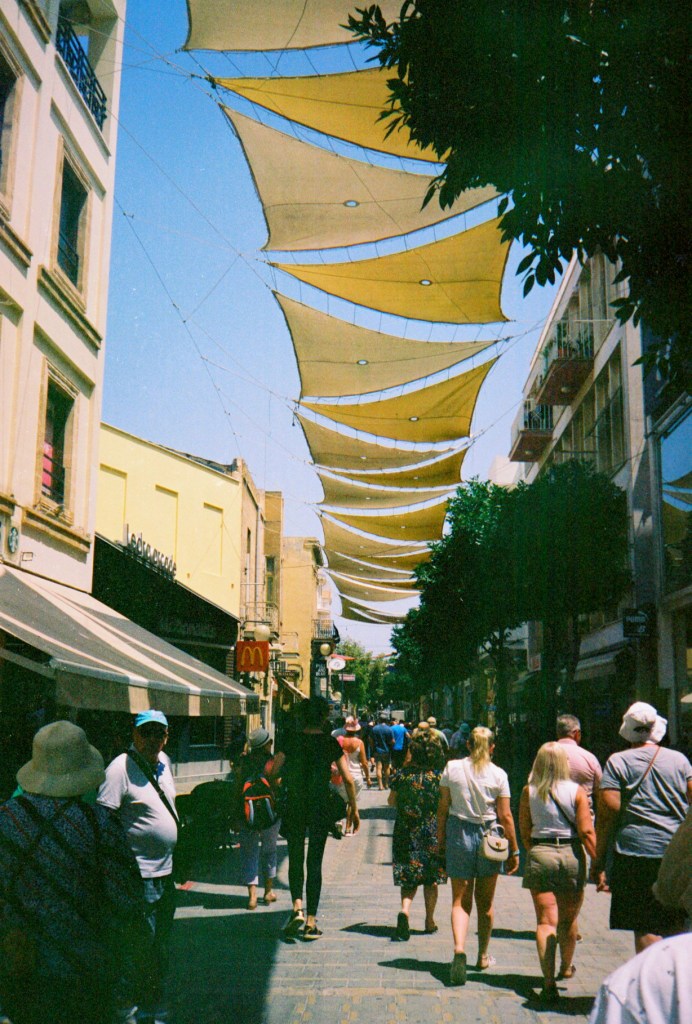
Nicosia, Cyprus

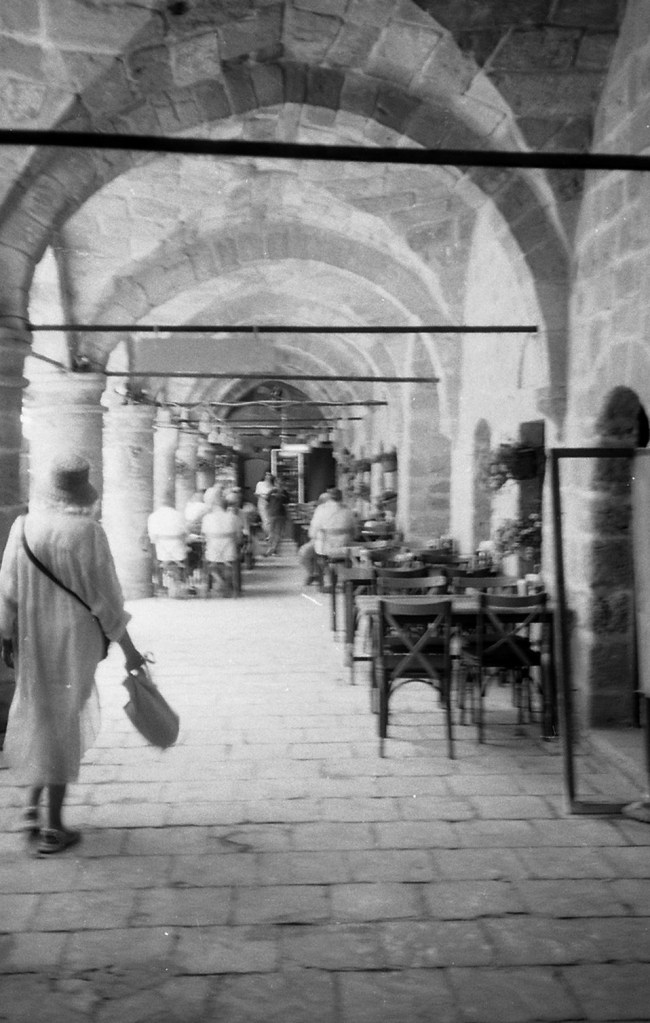
From a short visit to Nicosia, Cyprus, under a 38.C sun. Photos were made in the Greek side of the city (Republic of Cyprus) and in the Turkish side (self-proclaimed Turkish Republic of Norther Cyprus). The border control is very strict, photos of the control posts are forbidden in both sides : armed policemen, fences and barbed wire mark the division between both sides. It is, I think, the last divided capital in Europe …
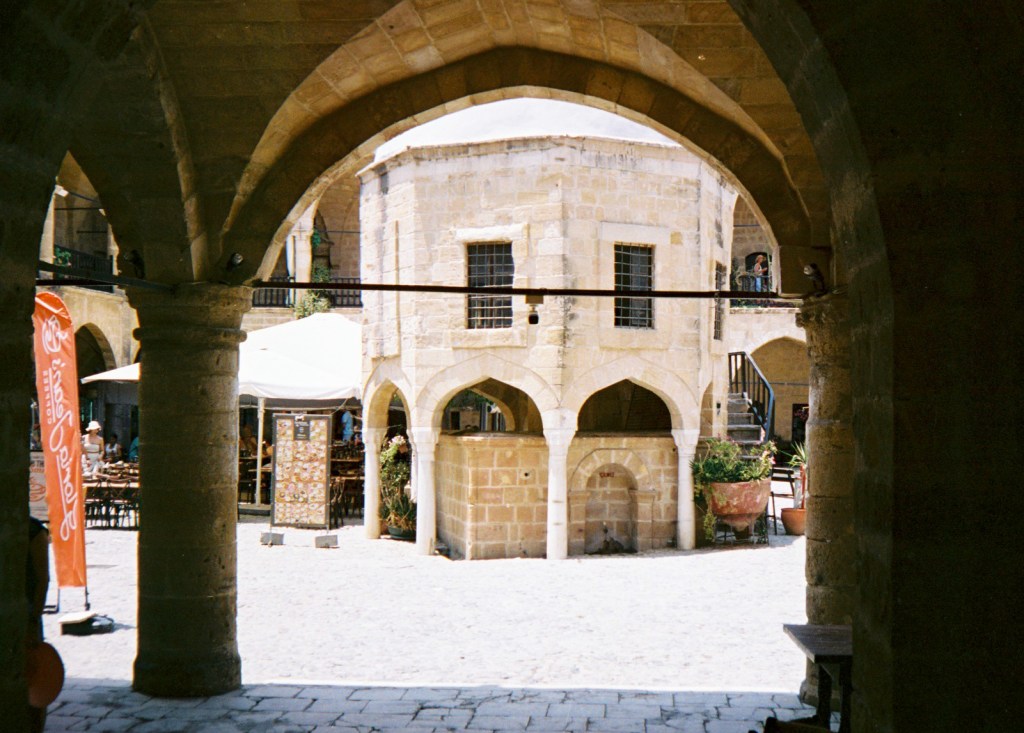
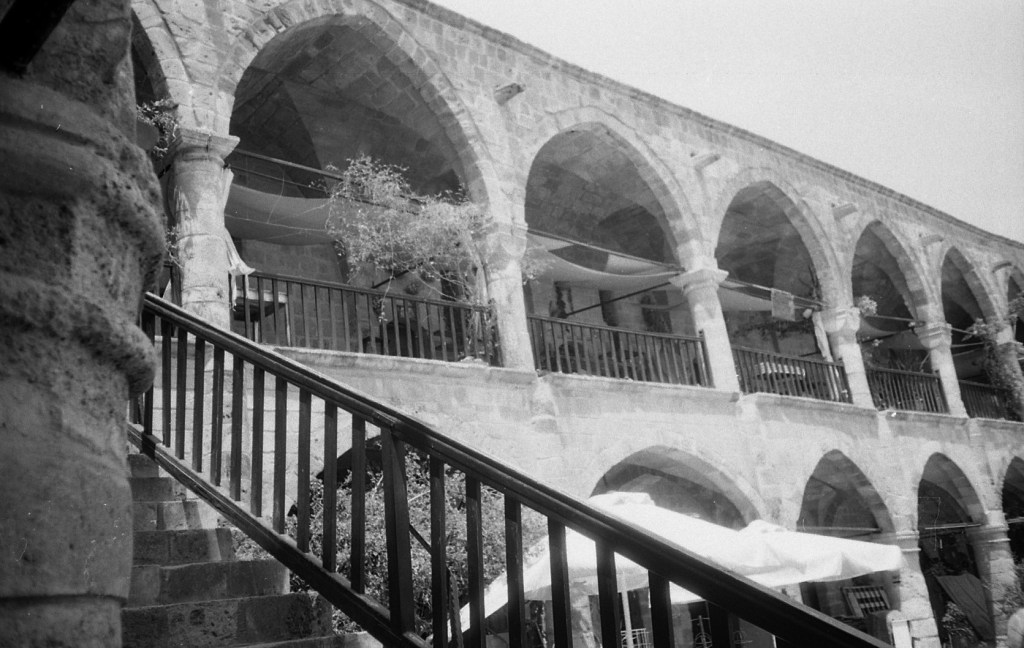
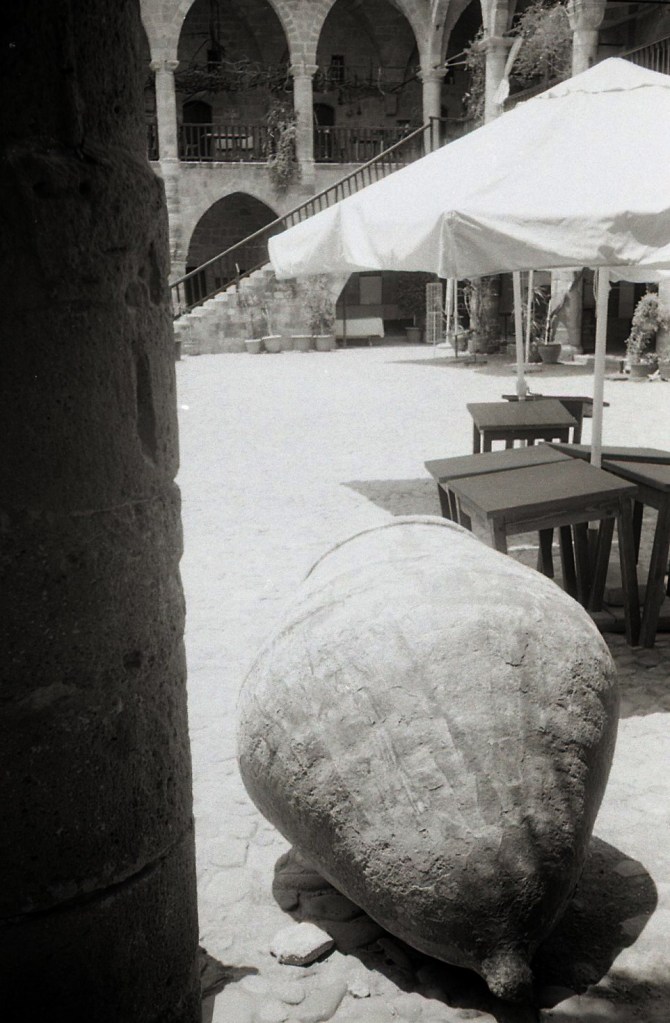
 Büyük Han, a former caravanserai built in the XVI century, in the Turkish side of Nicosia. It was recently restored and now has some shops and restaurants inside
Varosha

In July 1974, Turkish troops occupied the north and east of the island of Cyprus. This territory gave rise to the self-proclaimed Turkish Republic of Northern Cyprus, which is separated from the Republic of Cyprus by a winding line of territory controlled by United Nations military forces.

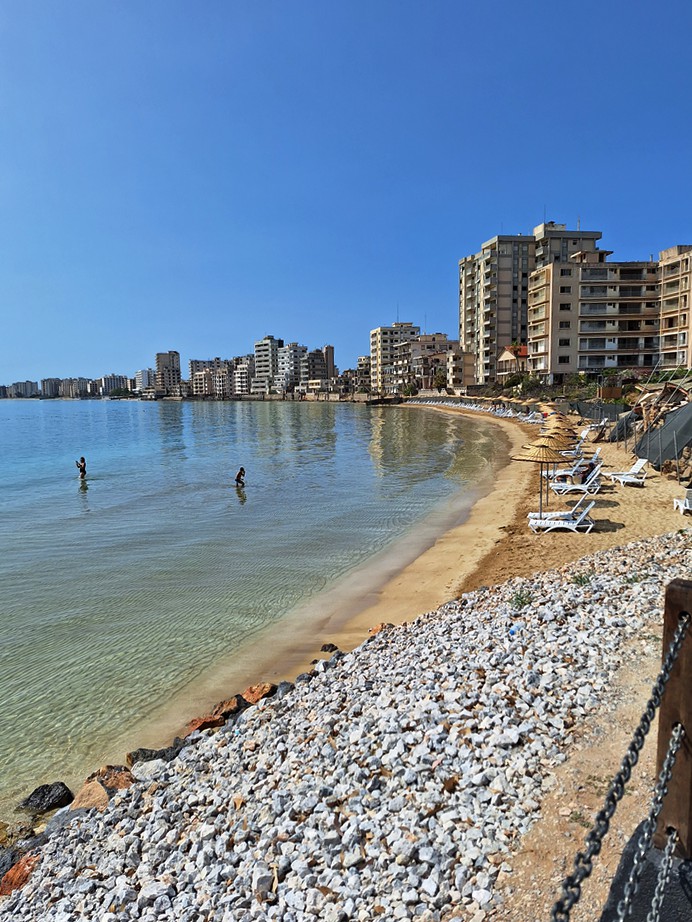
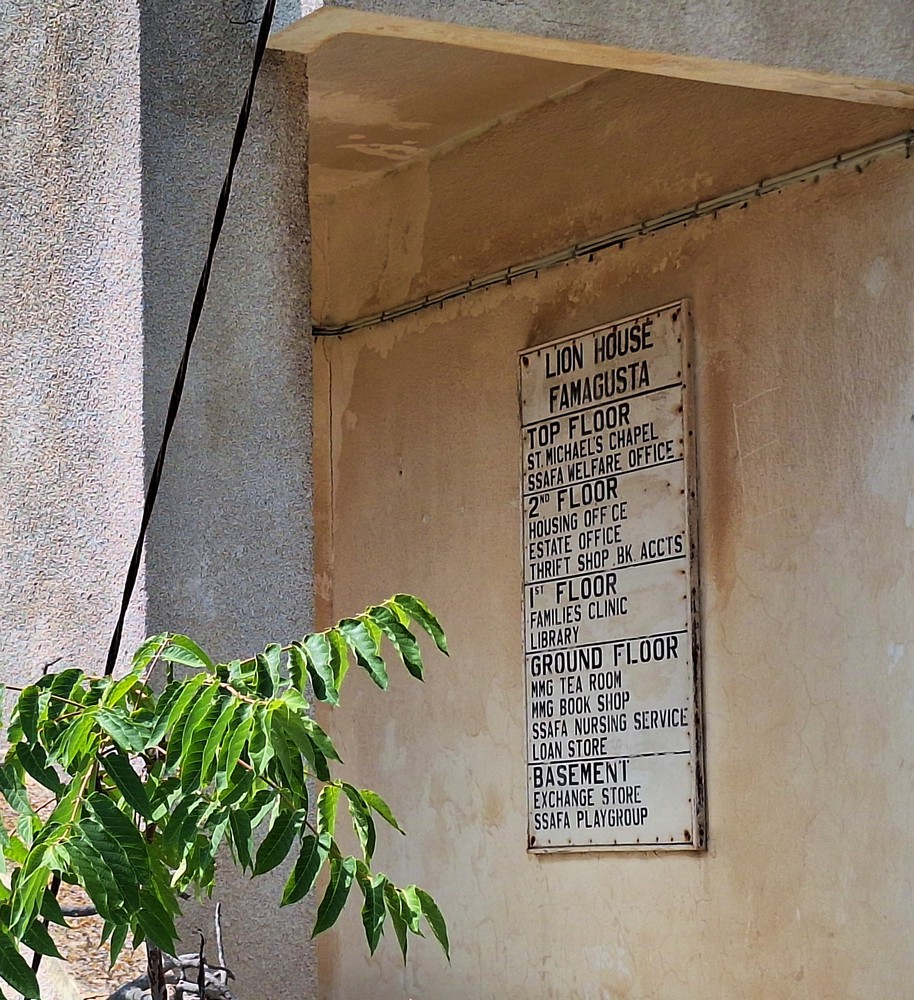
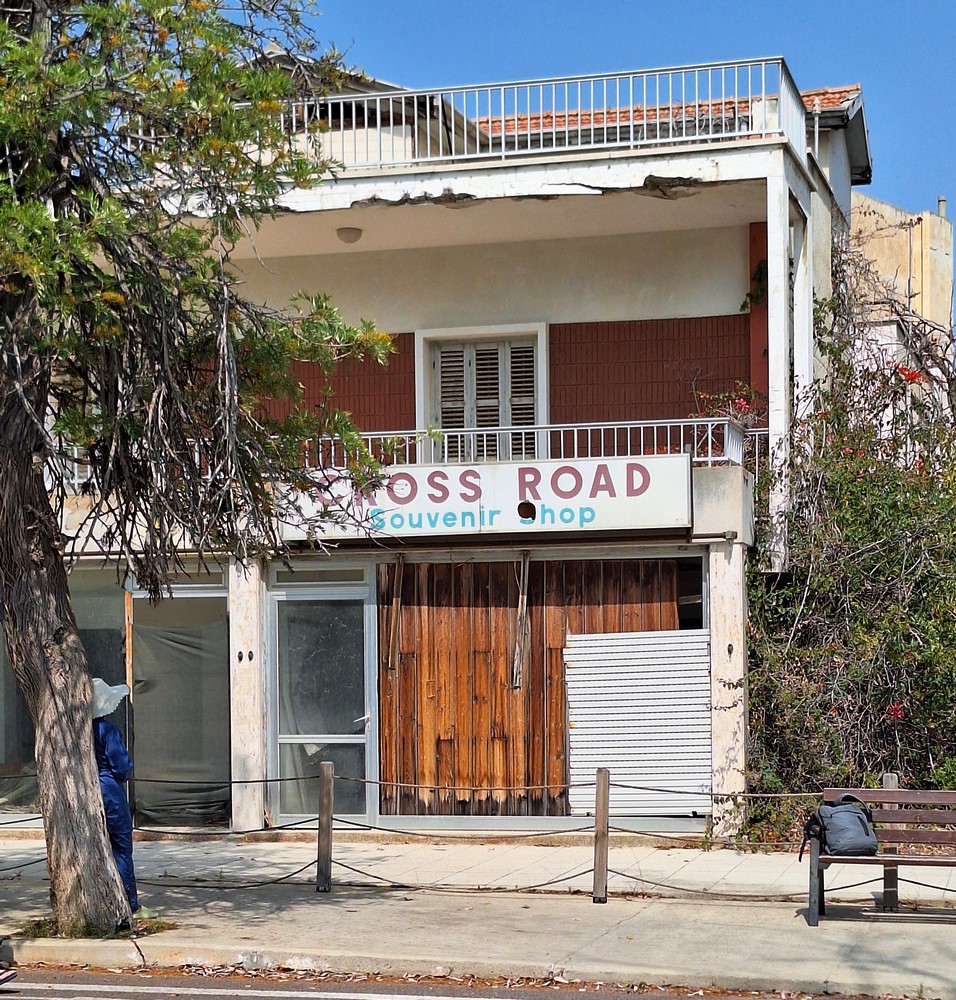
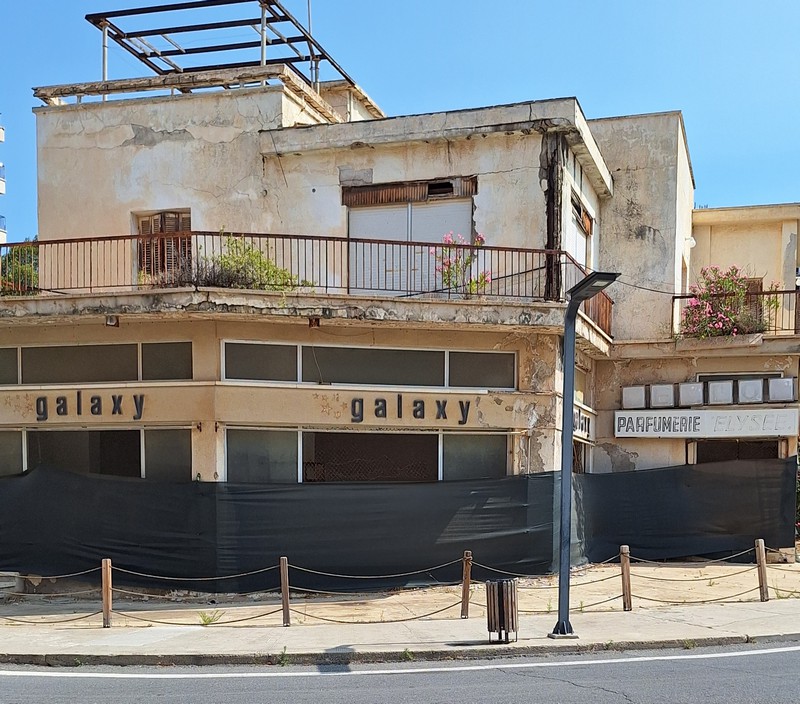
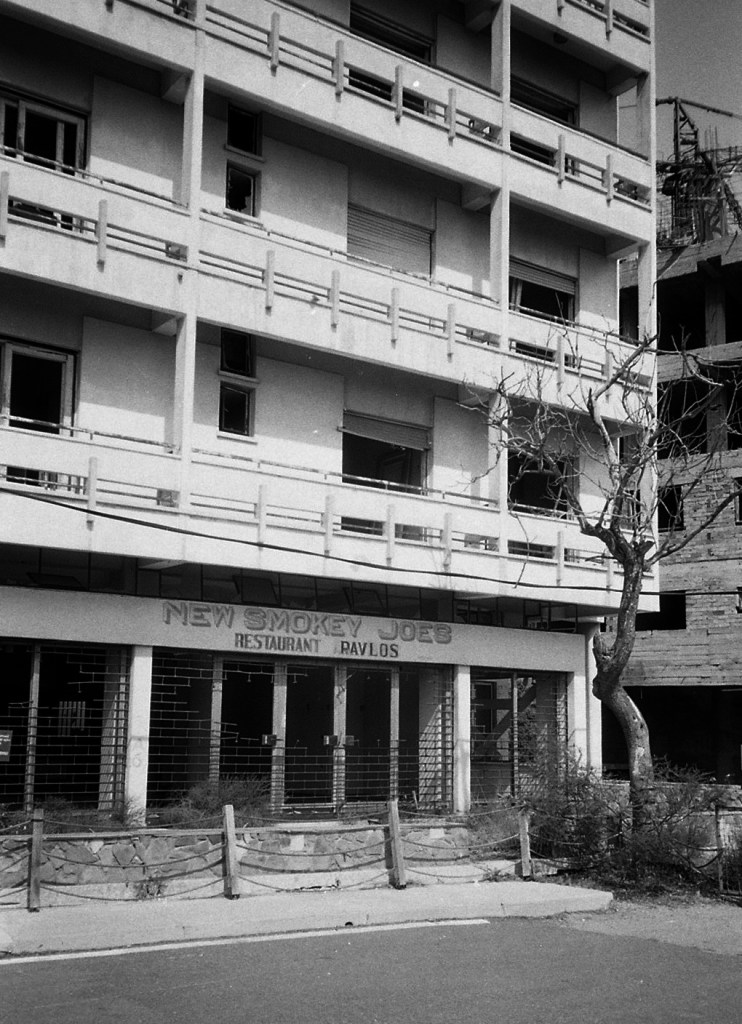
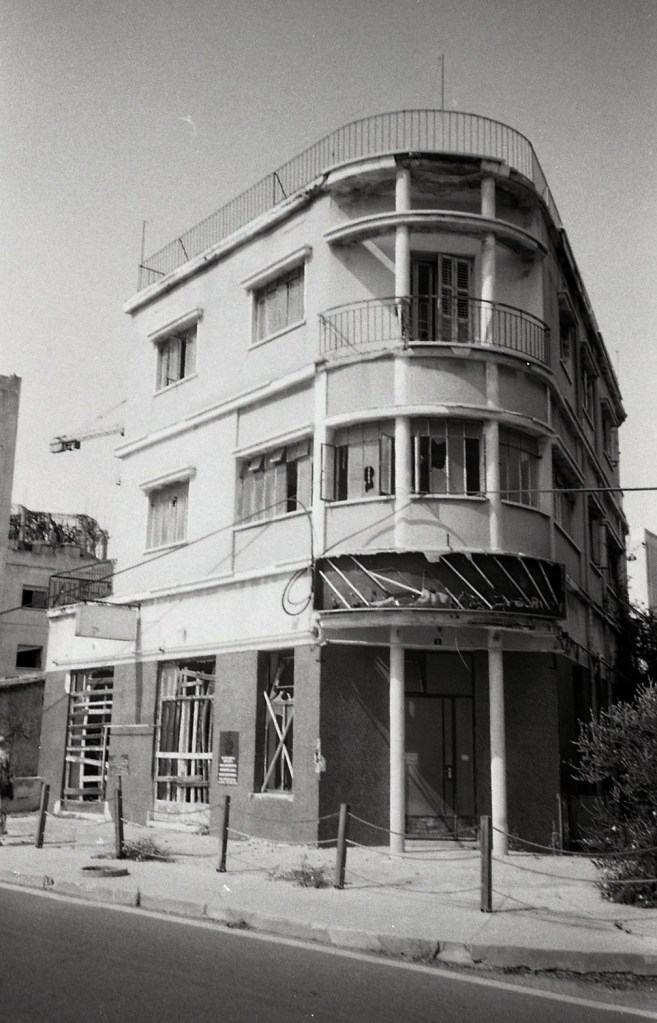
At the eastern end of this line, in the area currently controlled by the United Nations, near the city of Famagusta, the Varosha tourist resort was built with an excellent beach, buildings, houses, shops and all the necessary infrastructure along the coast. Faced with the approach of Turkish troops in 1974, the inhabitants abandoned their homes within a few days in a hurry.

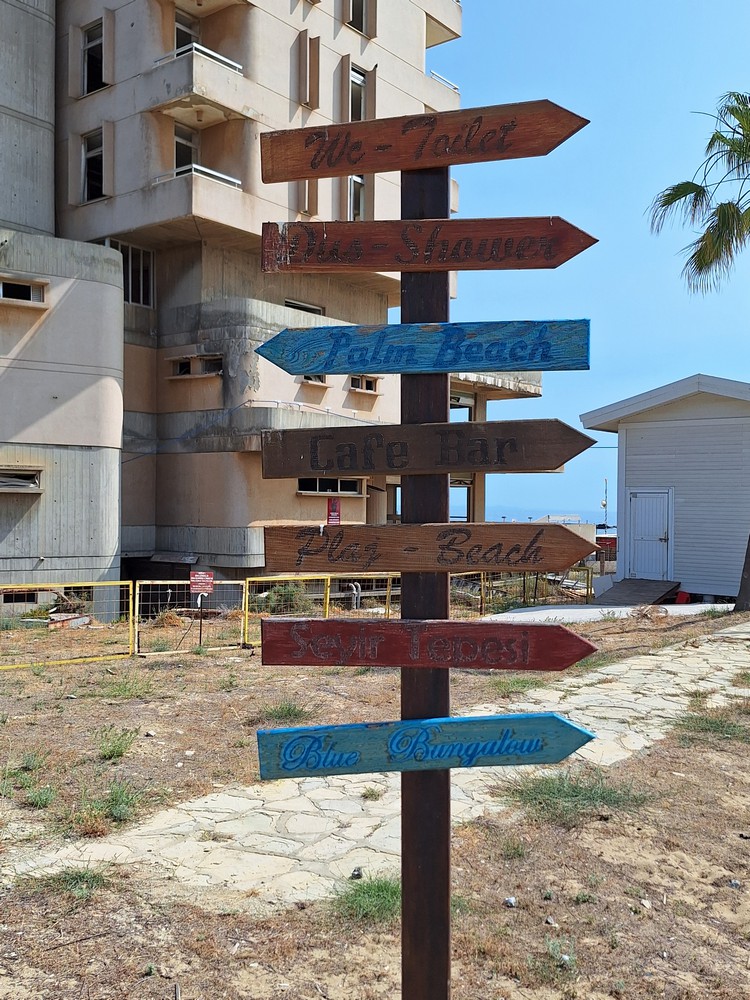
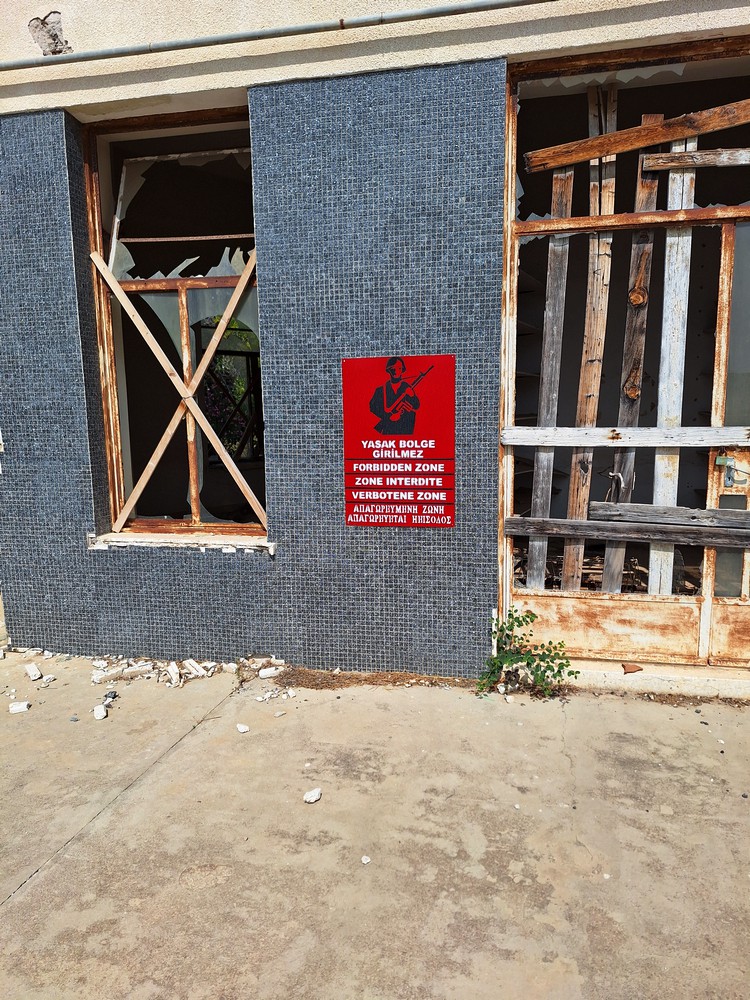
The resort of Varosha has remained empty and off-limits for decades. Recently, visitors have been allowed during the day, but no entry into the houses, which are surrounded by fences. They also allow access to the beach during the day.

The area is clean, with no rubbish on the streets, no graffiti on the walls and no animals to be seen. Trees and wild weeds grow freely. It is a case of pure natural decay without human intervention. There is a profound silence and, despite the good weather, the atmosphere is heavy.

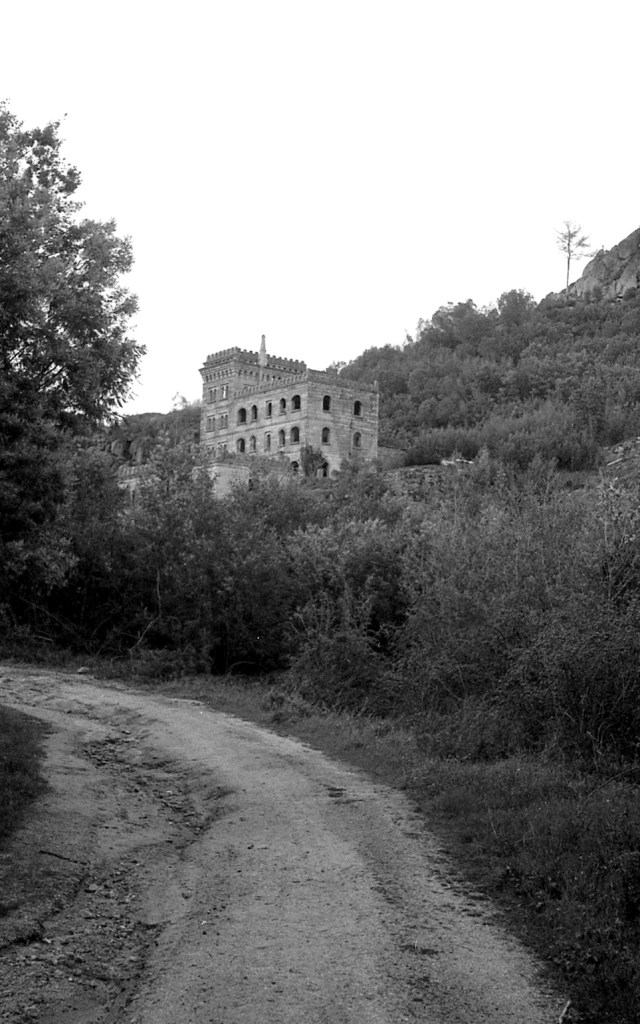
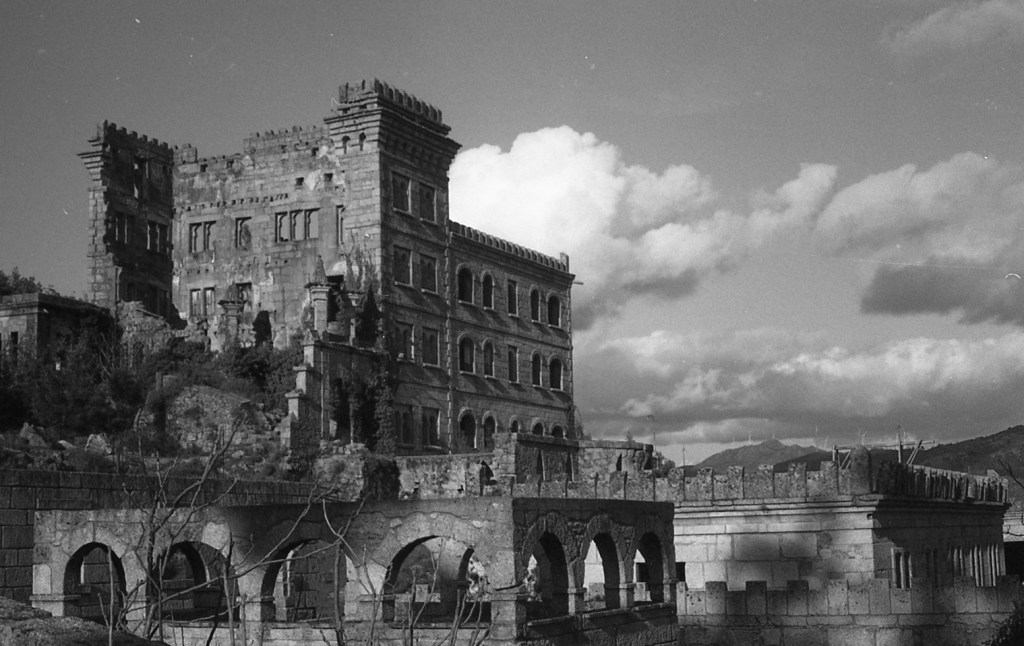
Ruins – the Radioactive Hotel

This Hotel & Spa was built at the beginning of the last century. The strongly radioactive local spring waters were believed to have healing powers and. they were used as a drink, in immersion baths and in colon irrigations (there were reports of patients having repeated enemas up to a total of 35 liters of radioactive water ).

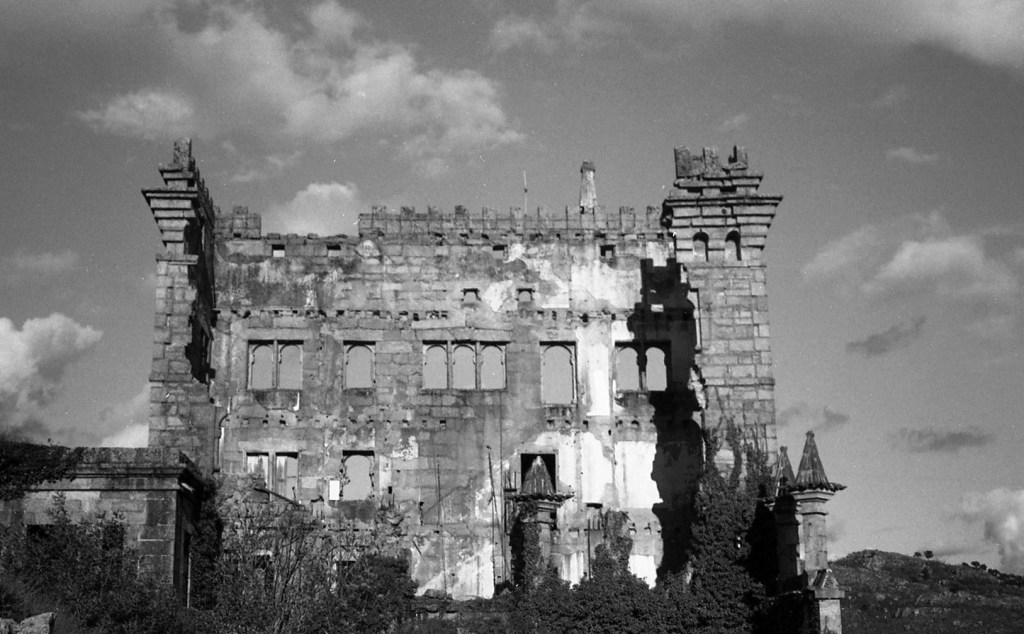
After WW II the dangers of radioactivity became widely known , the Hotel lost his clients and ceased the “therapeutic” activities. The owners went bankrupt, the premises were sold , several entrepreneurs bought and sold the building , furniture, plumbing and tiles were stolen, until it reached the  present state of ruin and decay

As expected, rumors of the place being haunted, sightings of strange lights at night and reports of noises and voices are now a part of the local beliefs. However, it is usual to find there some visitors and the place looks peacefully quiet.

I went there to make some photos. The radioactivity, if it exists at the surface, was not strong enough to fog my negatives…

A view of the Hotel

Getting closer

One wall still remains

Some remains of the floor

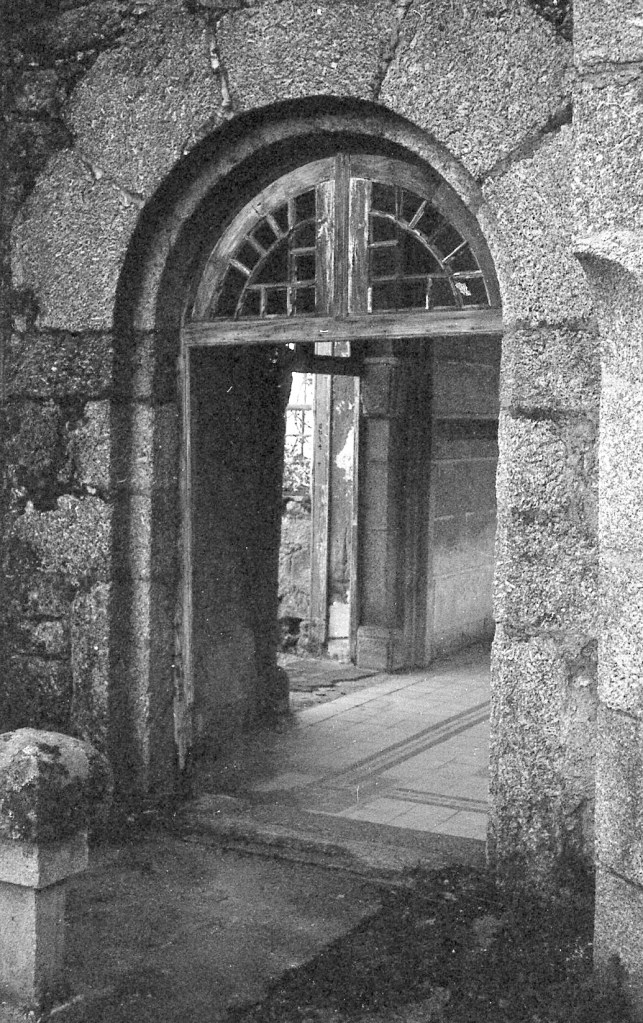
And a door

A fireplace is still there

This Hotel & Spa was built with expensive materials and was aimed at wealthy gests from Portugal and from nearby Spain. It is very sad to see its present state.

Salt

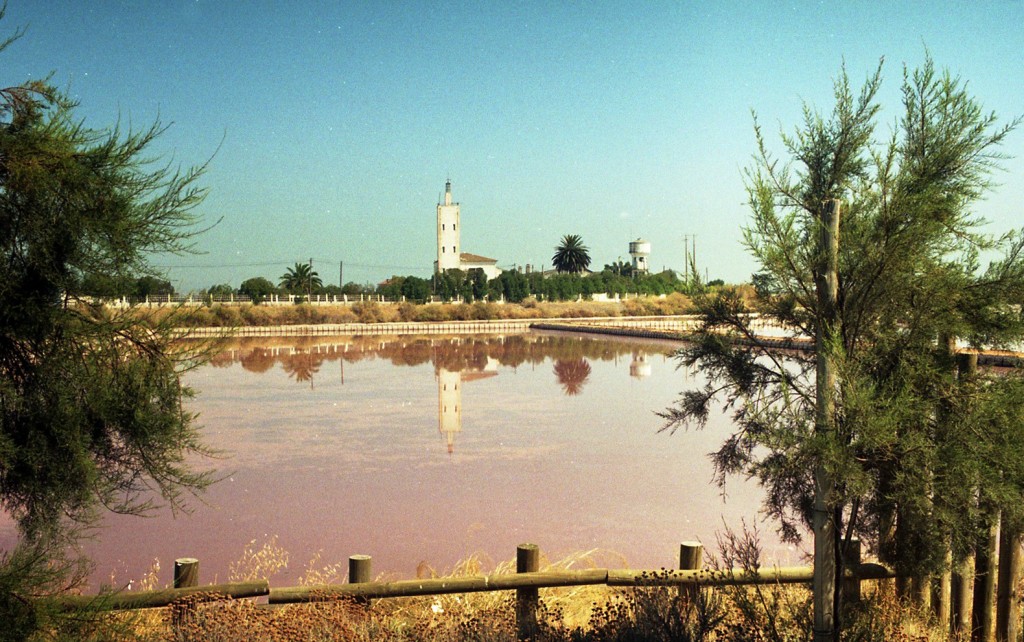
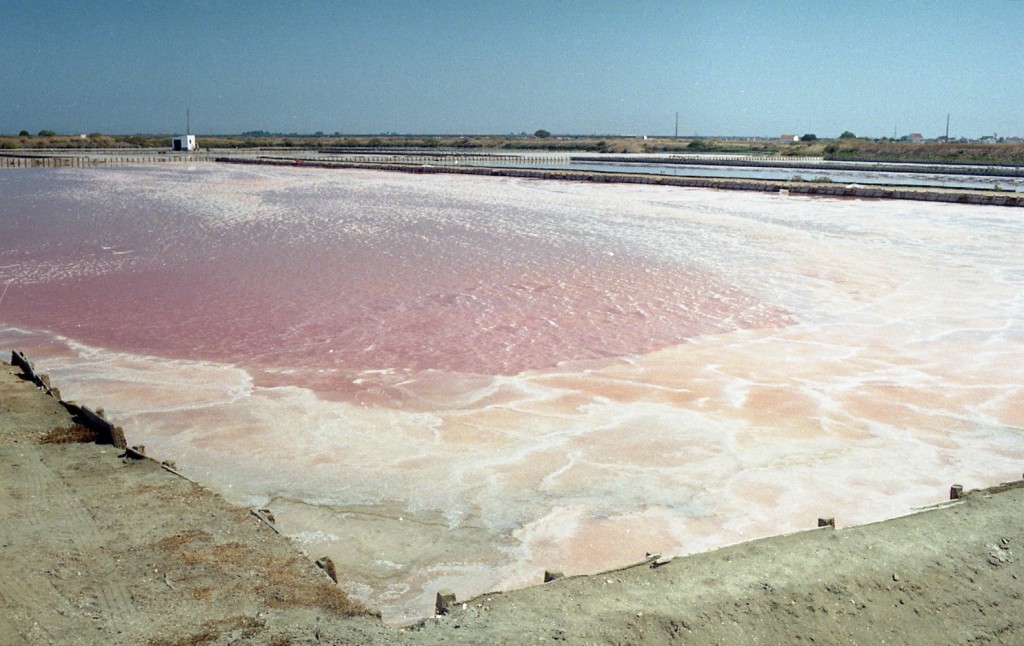
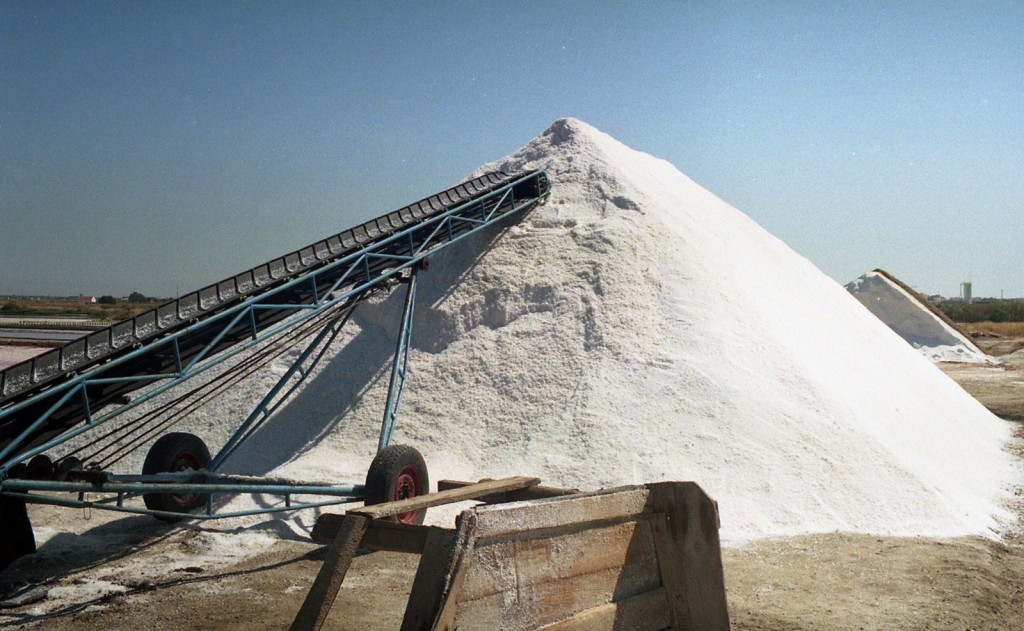
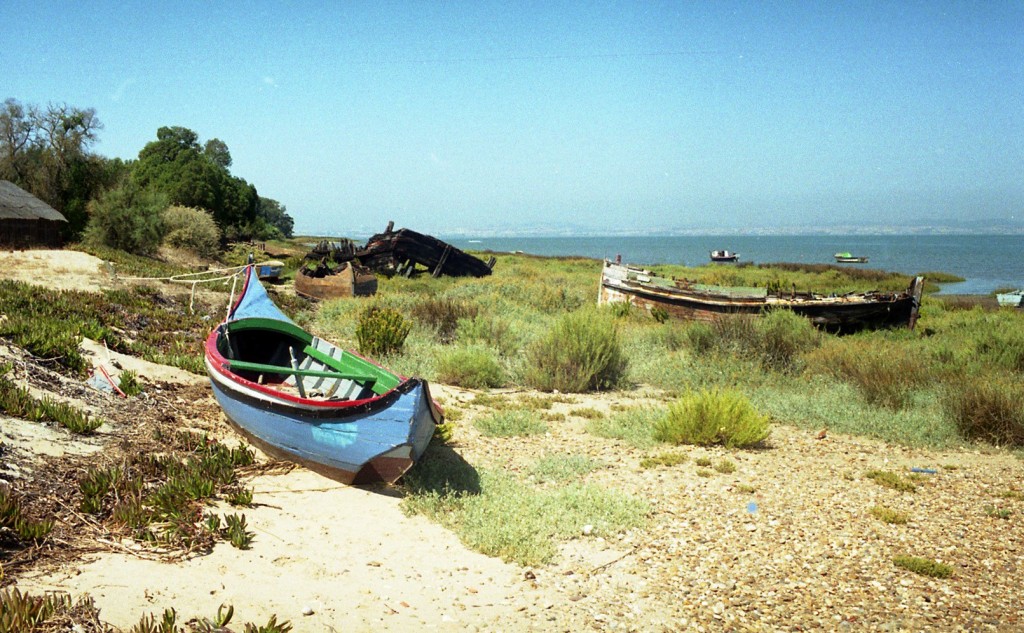
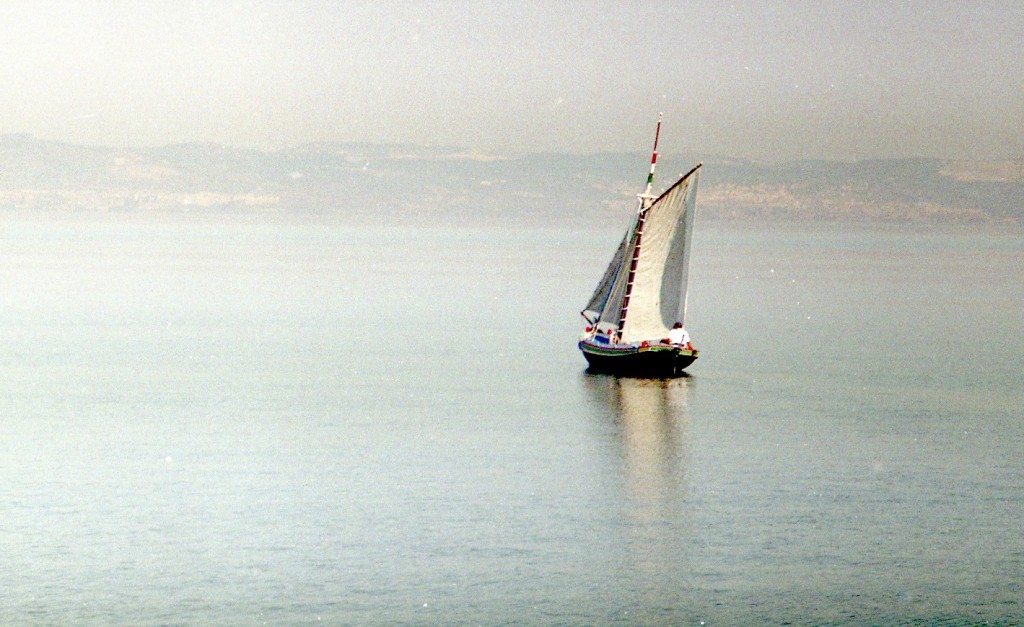
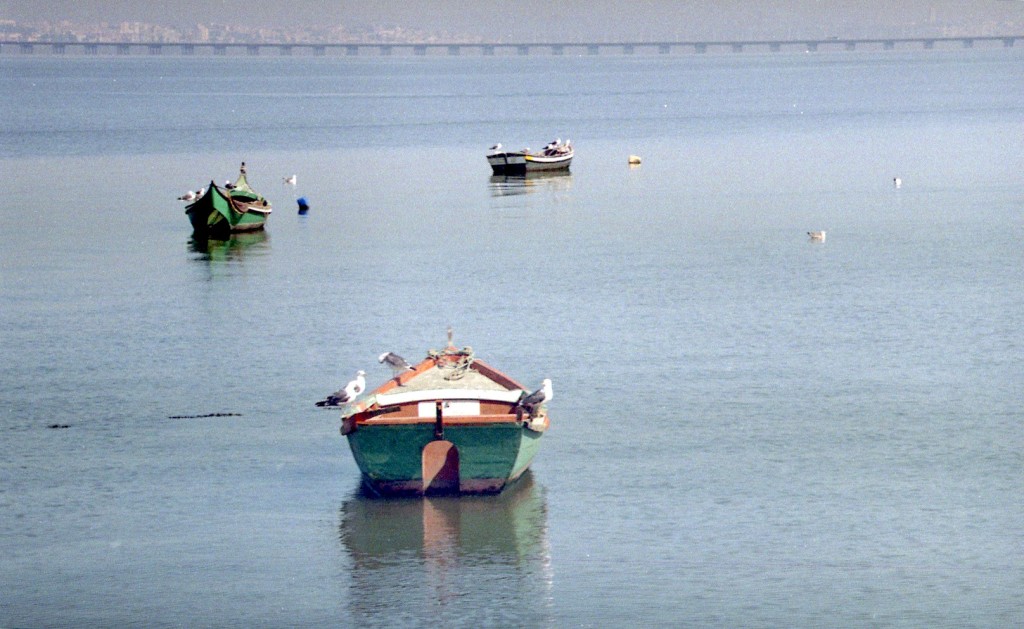
Reviewing some old negatives from more than 15 years ago, I found some images from the salt pans of the Tagus South bank.  They seemed abandoned then, probably they are now out of business. But old tools and machines were still there, and also the big salt mounts – as if the people working there had suddenly gone away. Some boats were on the river – and seagulls too, of course…

Sylvia Plath (1932-1963)

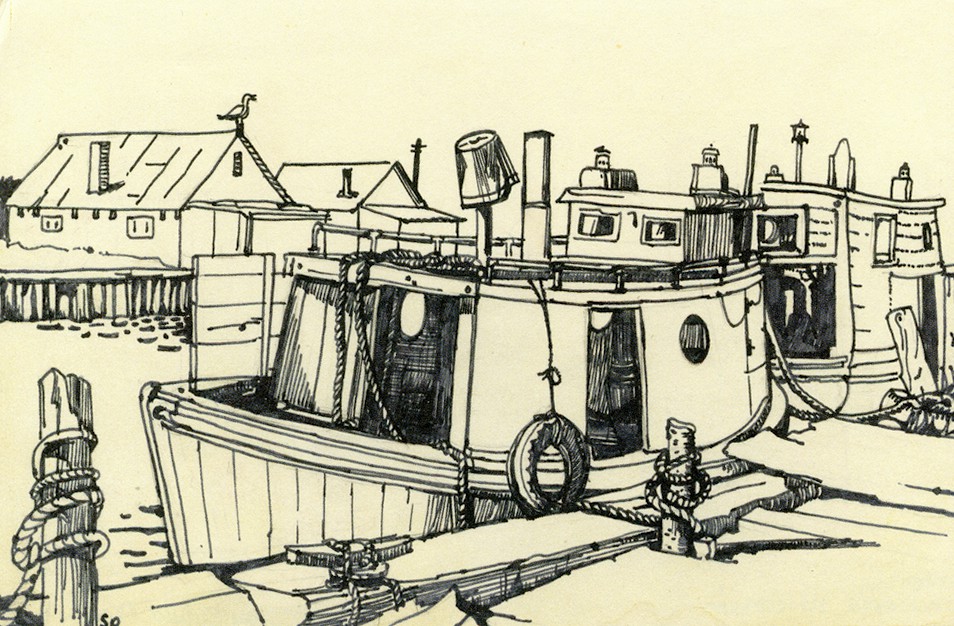
Just by chance I was surprised by a book of drawings by the poet Sylvia Plath, edited by her daughter Frieda Hughes .  High quality drawings most of them in pen and ink on paper, also some pencil sketches, made in England, France, Spain and the U.S. Sylvia Plath had art tuition in her teens and she used to draw during her life – many of her poems were said to inspired by visual artworks. One of her drawings

Harbour Cornucopia, Wisconsin (from Sylvia Plath drawings, edited by Frieda Hughes, Faber & Faber, 2022, London, U.K.)

This drawing brought to my mind one of her poems

A Winter Ship

At this wharf there are no grand landings to speak of.
Red and orange barges list and blister
Shackled to the dock, outmoded, gaudy,
And apparently indestructible.
The sea pulses under a skin of oil…

The complete poem can be found here    https://allpoetry.com/A-Winter-Ship

Analog Photo Festival

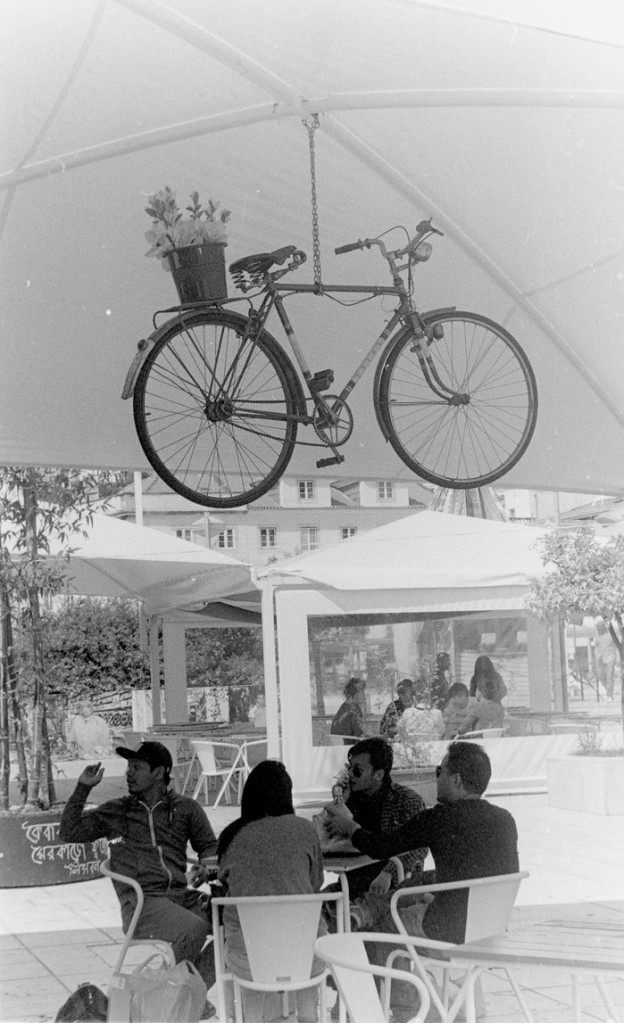
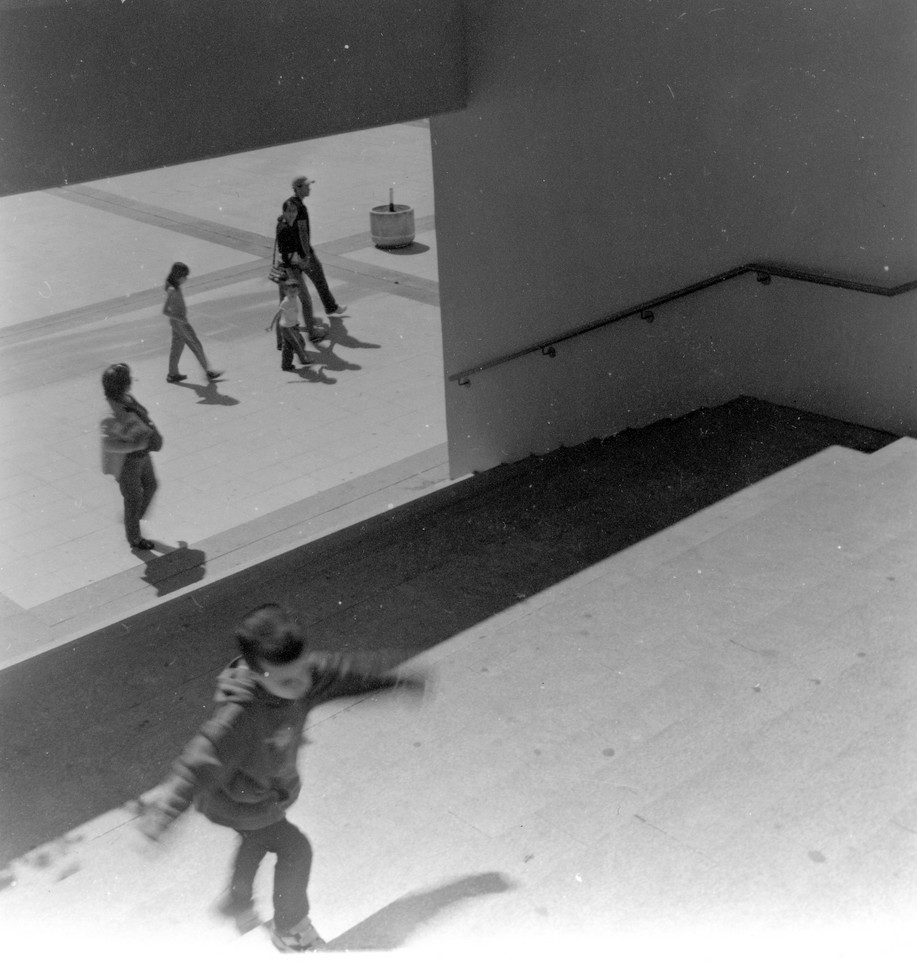
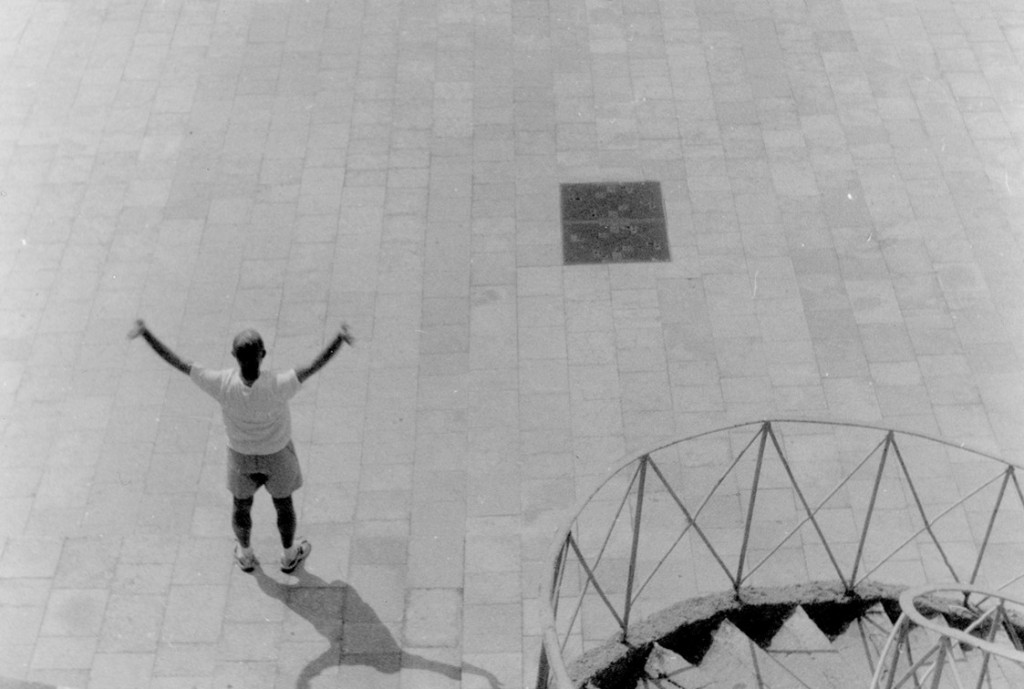
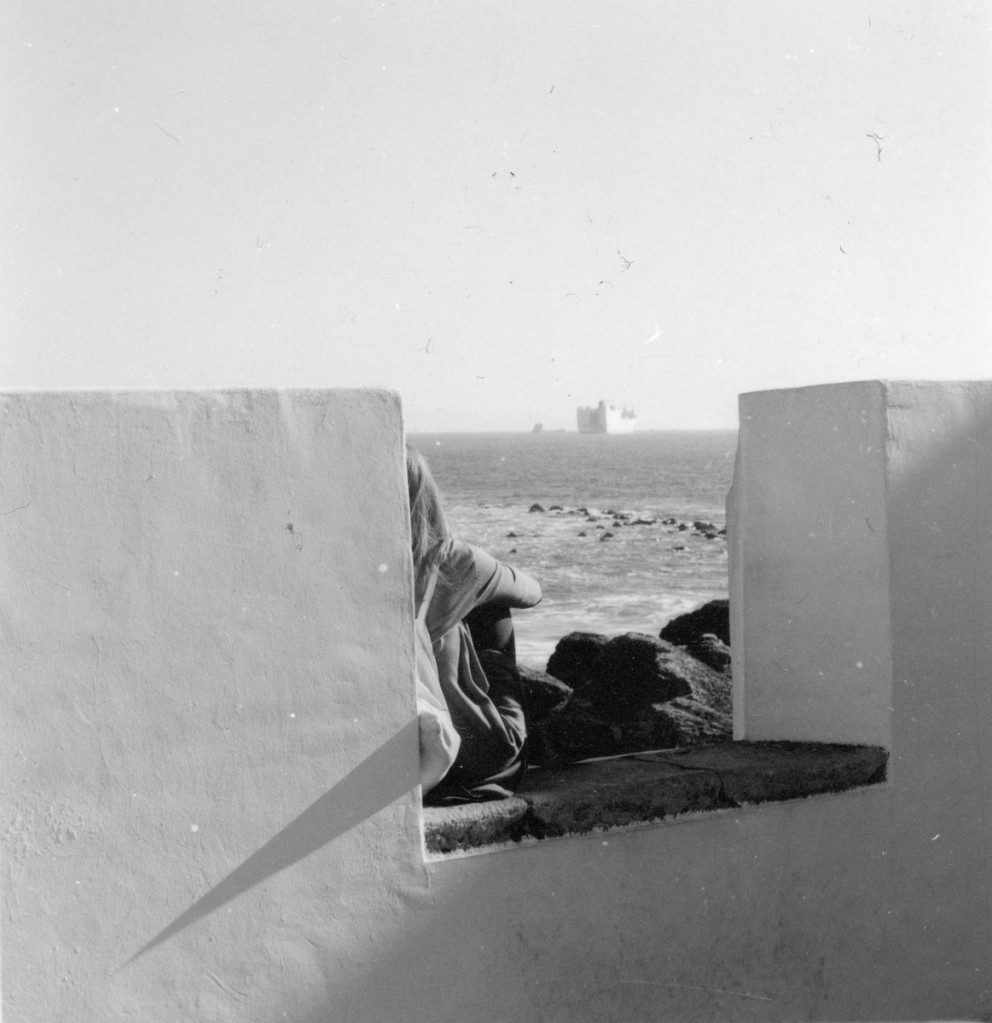
My submitted six photos were accepted for the exhibition currently taking place. The subject was “Freedom”. Here they are

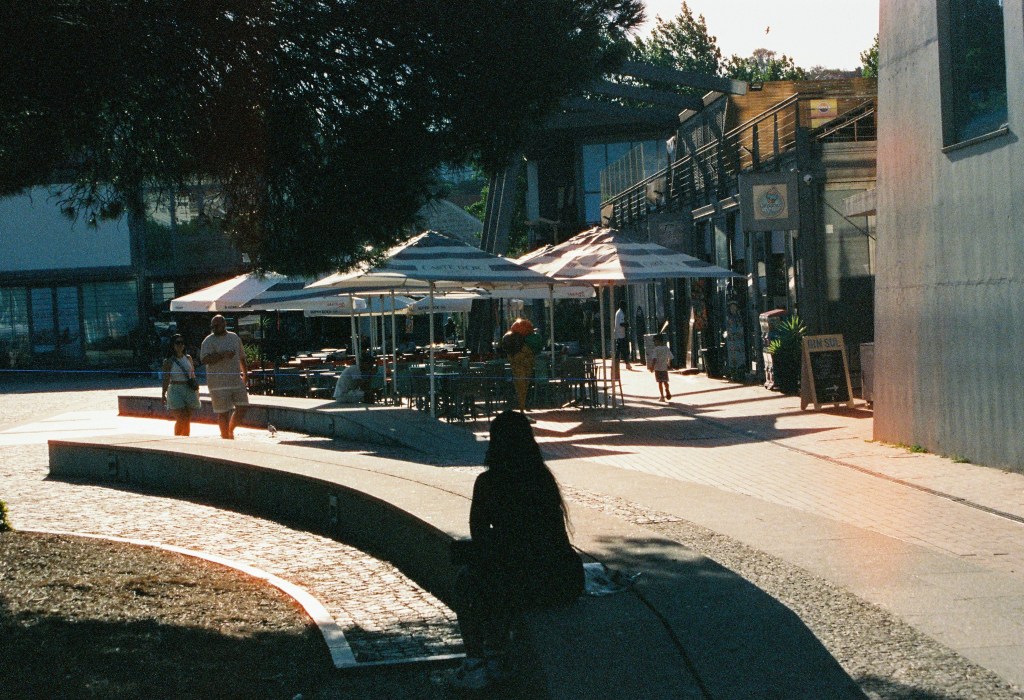
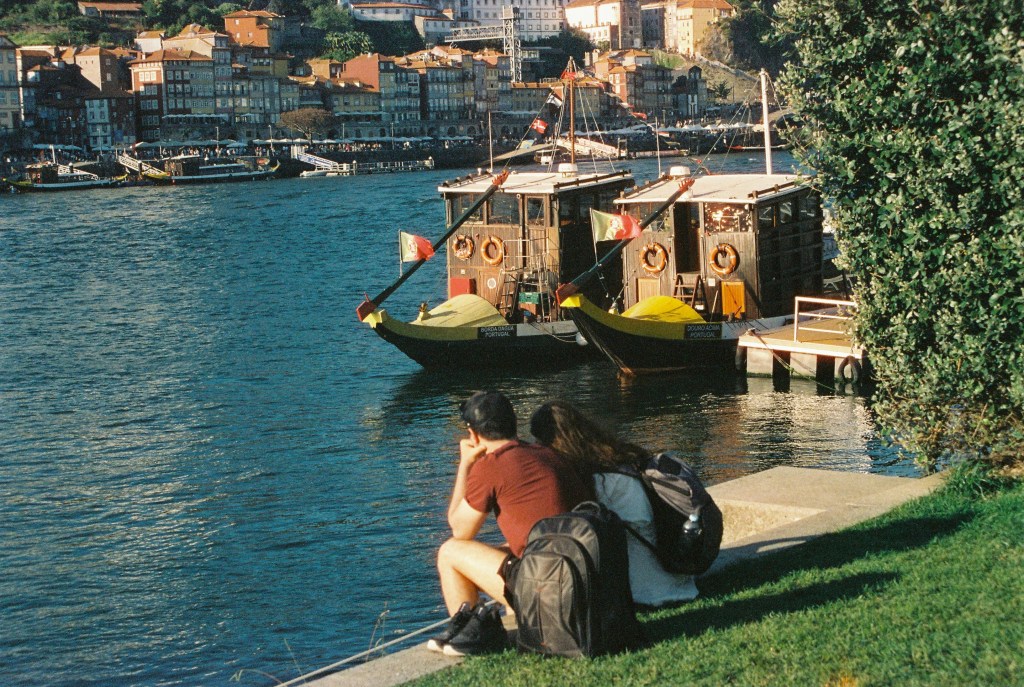
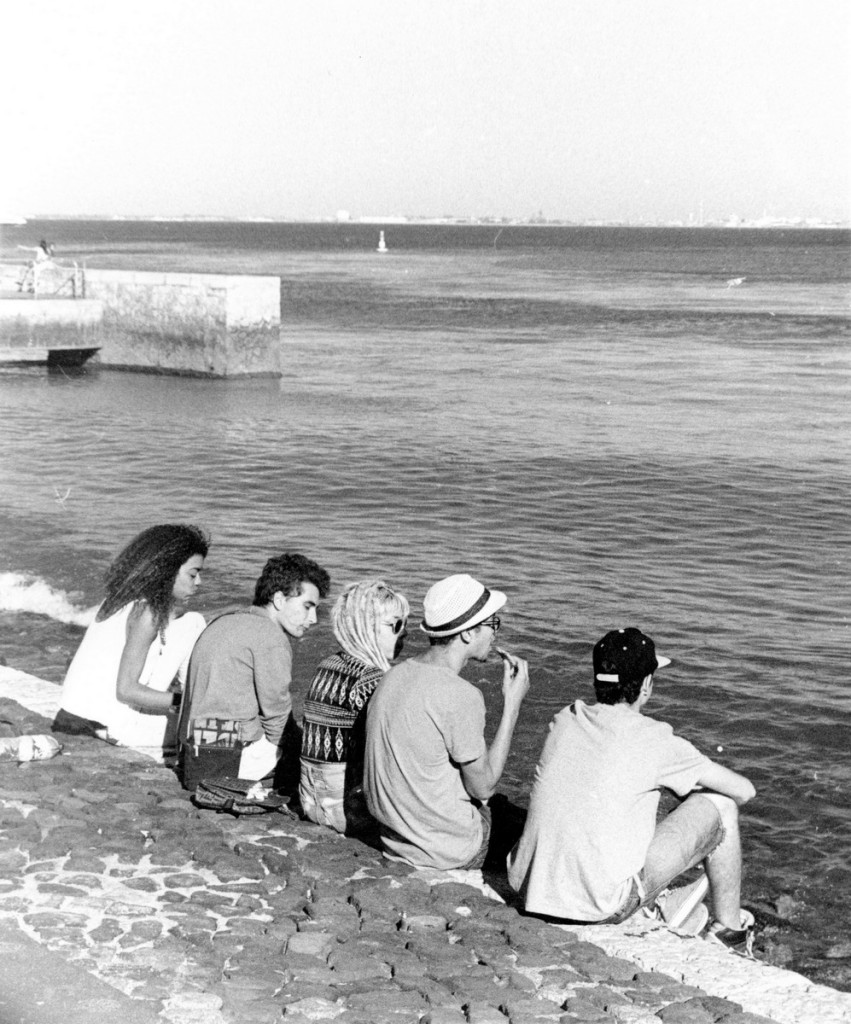
Two groups of friends, with a peaceful river or a flying bicycle

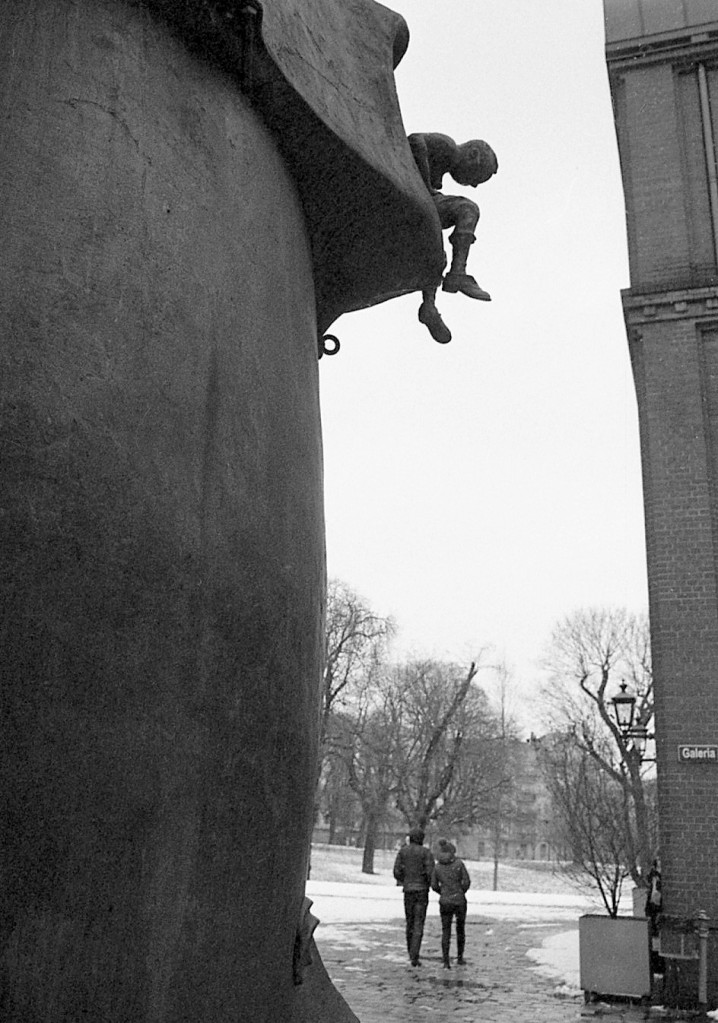
A boy trying to run from his family – and to escape from the limits of the photo

An open space to breathe – or simply to contemplate

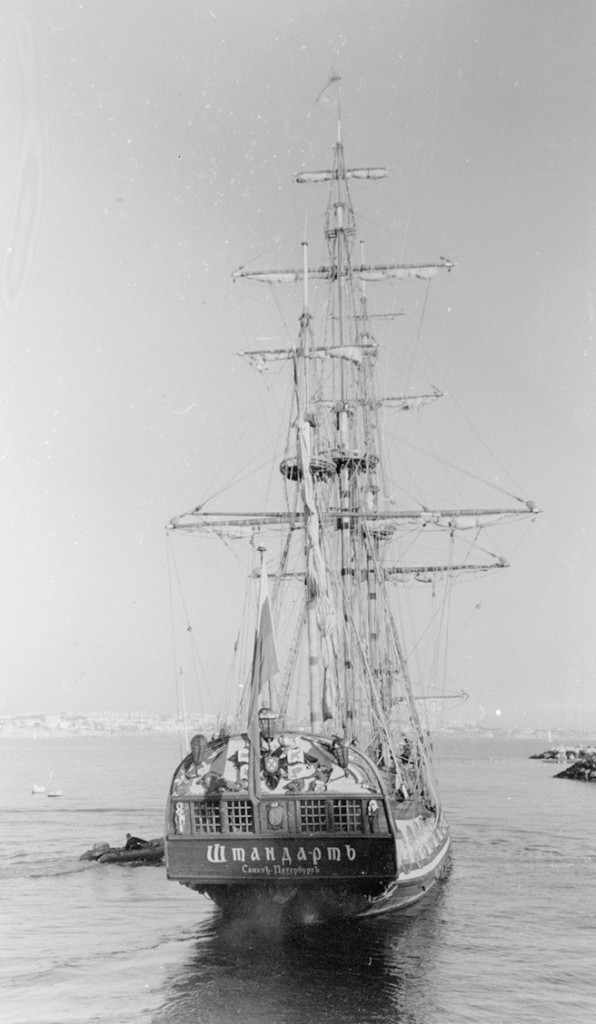
And the “Shtandart” a modern replica of an ancient Russian vessel. I was told that she is forbidden to return to St Petersburg, from where she left years ago. She is sailing around the world, teaching nautical and sailing crafts to young people. Forced freedom, to some extent, not being allowed to return home…